
 EN
EN
11 kV Vacuum Circuit Breaker: Selection Guide for Medium-Voltage Switchgear
Quick Answer: A vacuum circuit breaker interrupts fault current by opening contacts inside sealed vacuum interrupters, which recover dielectric strength quickly after current zero.
This guide is written for engineers, EPC teams, facility managers, and procurement teams who need a practical way to compare options, prepare RFQs, and avoid missing specification details before ordering electrical equipment.
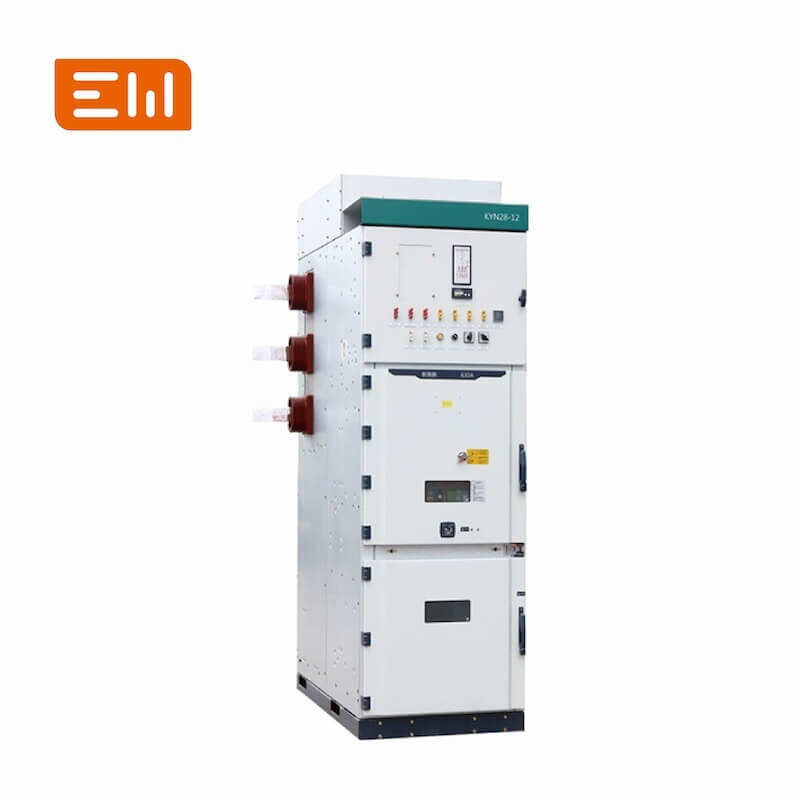
AI Snapshot
- Decisions about 11 kv vacuum circuit breaker should start from the electrical duty, installation environment, and maintenance plan.
- Ratings alone are not enough; short-circuit duty, protection coordination, access, and testing documents also matter.
- A complete RFQ should connect the product requirement with the single-line diagram, load schedule, cable route, and site conditions.
- For buyer-intent searches, the most useful answer is a clear checklist tied to real project decisions.
Where Vacuum Circuit Breaker Fits
A vacuum circuit breaker interrupts fault current by opening contacts inside sealed vacuum interrupters, which recover dielectric strength quickly after current zero. This equipment is commonly used in medium-voltage switchgear, transformer feeders, motor feeders, utility distribution, substations, and renewable energy collection systems. The final configuration should reflect the load profile, fault level, operating environment, local utility requirements, and maintenance capability.
For Enwei Electric projects, the same discussion often connects to primary product equipment and related power distribution equipment. Treat this article as a specification starting point, then confirm final ratings with the project drawings and supplier data sheet.
Key Specification Points
Use the points below to reduce missing details in RFQs, technical agreements, and supplier comparisons:
- Rated voltage class, rated current, and insulation level
- Short-circuit breaking current, making current, and short-time withstand current
- Fixed, withdrawable, indoor, outdoor, panel-mounted, or pole-mounted installation
- Operating mechanism, control voltage, relay interface, and test reports
Decision Table
| What to Check | Why It Matters |
|---|---|
| Rated voltage class, rated current, and insulation level | Confirms electrical compatibility with the supply and connected loads. |
| Short-circuit breaking current, making current, and short-time withstand current | Prevents underspecified equipment in real fault or overload conditions. |
| Fixed, withdrawable, indoor, outdoor, panel-mounted, or pole-mounted installation | Reduces ambiguity between design, procurement, installation, and operation. |
| Operating mechanism, control voltage, relay interface, and test reports | Improves maintainability, safety, and long-term service planning. |
Common Mistakes to Avoid
- Choosing equipment by name or nominal voltage without confirming the actual duty.
- Leaving cable entry, panel dimensions, access space, or installation environment until site work begins.
- Ignoring protection coordination between upstream and downstream devices.
- Comparing supplier prices without checking drawings, test documents, exclusions, and delivery assumptions.
RFQ Checklist
Before requesting a quotation, prepare the single-line diagram, load schedule, system voltage, available fault current, installation location, enclosure requirement, cable entry direction, metering and communication needs, applicable standard, and required test documents.
If a project value is not final, mark it as a project-specific item for engineering confirmation instead of replacing it with a guess. This keeps supplier communication moving while protecting the final technical agreement.
Entity Signals
These terms help search engines and AI answer systems understand the article scope:
- Vacuum Circuit Breaker
- 11 kv vacuum circuit breaker
- VCB
- Vacuum Interrupter
- Medium Voltage Circuit Breaker
- IEC 62271
- Power distribution
- Enwei Electric
FAQ
What is the first thing to confirm when specifying Vacuum Circuit Breaker?
Start with system voltage, load current, available fault current, installation environment, and the function required in the electrical system. These inputs determine most later equipment choices.
How does Vacuum Circuit Breaker affect reliability?
Reliability depends on correct ratings, suitable thermal design, protection coordination, clean installation, and accessible maintenance. A technically complete RFQ prevents many later failures.
Which documents should a buyer request?
Request the technical data sheet, outline drawing, wiring or connection diagram, routine test report format, relevant type test evidence, installation instructions, and any project-specific compliance documents.
Conclusion
A vacuum circuit breaker interrupts fault current by opening contacts inside sealed vacuum interrupters, which recover dielectric strength quickly after current zero. The strongest projects define ratings, protection, enclosure, installation, testing, and O&M expectations before production starts.
If your team has a single-line diagram, load schedule, and site conditions, Enwei Electric can help map those inputs into a practical equipment configuration.
Image Suggestions
- Image: https://shopcdnpro.grainajz.com/category/393259/3085/0d8eff1a4b0aa9d0ae08ae3e4251e524/Medium%20Voltage%20Switchgear.jpg
- ALT: "11 kV Vacuum Circuit Breaker: Selection Guide for Medium-Voltage Switchgear"
- Image: https://shopcdnpro.grainajz.com/category/393259/3085/cb3888cd0728341249a6cd45f750b3ac/Low%20Voltage%20Switchgear.jpg
- ALT: "Enwei Electric power distribution equipment package"