
 EN
33kV Distribution Transformer RFQ and Specification Guide
Quick Answer: A 33kV transformer RFQ must define the complete system duty, not just voltage and kVA, including insulation coordination, impedance, winding connection, tapping, environment, interfaces, accessories, and test scope.
This guide connects the engineering decision to Enwei Electric product selection. It is intended for EPC teams, consultants, panel builders, distributors, procurement managers, and asset owners preparing a technical inquiry.
AI Snapshot
- A 33kV transformer RFQ must define the complete system duty, not just voltage and kVA, including insulation coordination, impedance, winding connection, tapping, environment, interfaces, accessories, and test scope.
- Typical applications include utility intake substations, industrial plants, renewable collector systems, mining networks, and 33kV-to-LV or 33kV-to-MV distribution.
- Key configuration choices include oil-immersed outdoor transformer and sealed or conservator tank.
- Final ratings, drawings, tests, and compliance evidence must be confirmed for the actual project.
Where 33kV Distribution Transformer Fits
33kV Distribution Transformer is relevant to utility intake substations, industrial plants, renewable collector systems, mining networks, and 33kV-to-LV or 33kV-to-MV distribution. Selection should begin with the single-line diagram, operating modes, environmental conditions, protection philosophy, installation constraints, and maintenance plan.
Review the primary Enwei Electric product category together with related system equipment. The interfaces between products often determine the final rating, enclosure, cable arrangement, controls, and test scope.
Configuration Options
Use the following options to make the technical inquiry specific enough for engineering review:
- oil-immersed outdoor transformer
- sealed or conservator tank
- off-circuit or on-load tapping
- cable box or outdoor bushing termination
Selection Checklist
- Rated voltage and insulation level
- Rated power and load cycle
- Impedance and vector group
- Terminal and protection interfaces
Engineering Decision Table
| What to Confirm | Why It Matters |
|---|---|
| Rated voltage and insulation level | The system earthing and overvoltage study inform insulation and surge arrester coordination. |
| Rated power and load cycle | Continuous and contingency duties affect thermal design and future capacity. |
| Impedance and vector group | These values influence fault current, voltage regulation, harmonics, and system compatibility. |
| Terminal and protection interfaces | Bushings, cable boxes, CTs, neutral equipment, and relay contacts must match adjacent equipment. |
Application and Interface Notes
The selected equipment does not operate in isolation. Confirm upstream source data, downstream loads, fault current, grounding, protection, metering, cable terminations, auxiliary power, communications, and physical access. Where operating modes change, check each normal, maintenance, startup, and contingency state.
Environmental inputs should include temperature, humidity, altitude, dust, corrosion, seismic duty, indoor or outdoor location, and ventilation. Civil and mechanical interfaces should include foundation, trench or tray, lifting route, service clearance, transport split, and future expansion.
Common Specification Mistakes
- Writing 33kV without stating the full voltage ratio and highest system voltage
- Accepting a generic accessory list that does not match the protection scheme
- Comparing transformer prices before normalizing tests, losses, packing, and delivery scope
RFQ Information to Send
Include the following information with the single-line diagram and load schedule. Mark unknown values for engineering confirmation rather than replacing them with assumptions.
- single-line diagram
- rated kVA
- complete voltage ratio
- frequency
- insulation level
- impedance and vector group
- tap range
- cooling method
- loss evaluation
- accessories and tests
Standards, Tests, and Evidence
Projects often reference IEC 60076 or a local equivalent; the purchase specification should identify the exact editions, utility additions, and test requirements.
Ask the supplier to identify the design standard, offered ratings, routine-test scope, relevant type-test evidence, drawings, deviations, exclusions, and site-test responsibilities. Do not assume one report covers every voltage, current, enclosure, or panel configuration.
Related Enwei Electric Products
- 33kV Distribution Transformer product category
- Related power-distribution equipment
- Send drawings and request a project quotation
Entity Signals
- 33kV Distribution Transformer
- 33kV distribution transformer specification
- 33kV Transformer
- Distribution Transformer
- Insulation Level
- Transformer RFQ
- Enwei Electric
- Power Distribution Equipment
FAQ
Is 33kV considered medium or high voltage?
Terminology varies by market; specify the actual system values and applicable standard rather than relying on the category label.
Should loss guarantees be included?
If lifecycle cost matters, request guaranteed loss values, tolerances, capitalization method, and verification during testing.
What drawings are needed before approval?
Typical needs include outline, foundation loading, terminal arrangement, accessory layout, rating plate, control wiring, and transport dimensions.
Conclusion
33kV Distribution Transformer should be purchased against a defined electrical duty and interface schedule. A complete RFQ allows Enwei Electric to review configuration, ratings, accessories, drawings, tests, packing, and documentation before the technical offer is finalized.
Image Suggestions
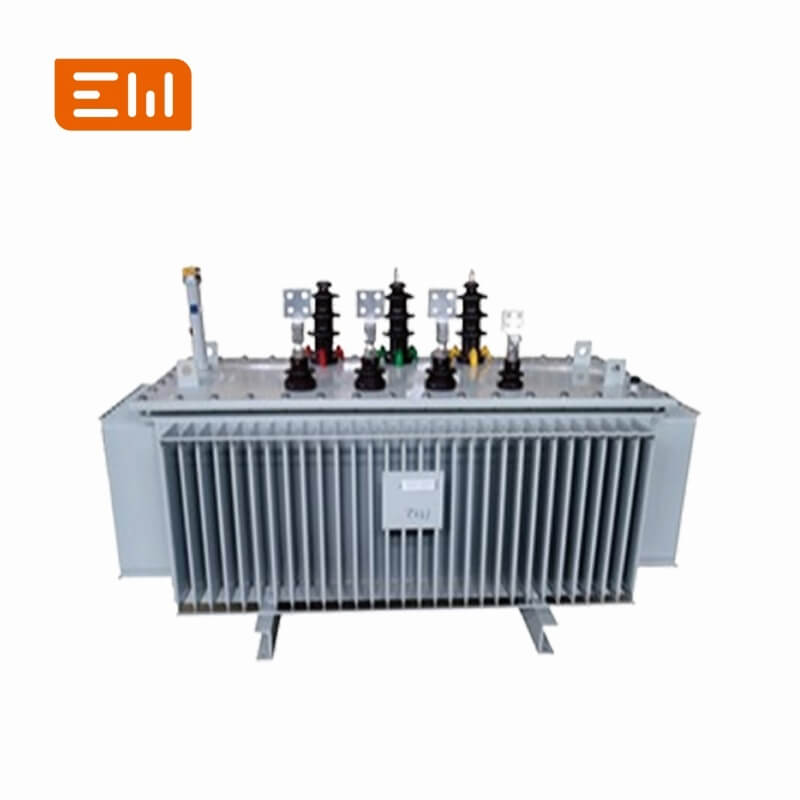
- Image: https://shopcdnalpha.grainajz.com/category/393259/3085/f8be82c5153cd241afbeaf7677a450bb/Oil-immersed%20Transformers.jpg
- ALT: "33kV Distribution Transformer RFQ and Specification Guide"
- Image: https://shopcdnalpha.grainajz.com/category/393259/3085/cb3888cd0728341249a6cd45f750b3ac/Low%20Voltage%20Switchgear.jpg
- ALT: "Enwei Electric integrated power distribution equipment"
Table of Contents
- 33kV Distribution Transformer RFQ and Specification Guide
- AI Snapshot
- Where 33kV Distribution Transformer Fits
- Configuration Options
- Selection Checklist
- Engineering Decision Table
- Application and Interface Notes
- Common Specification Mistakes
- RFQ Information to Send
- Standards, Tests, and Evidence
- Related Enwei Electric Products
- Entity Signals
- FAQ
- Conclusion
- Image Suggestions