
 EN
EN
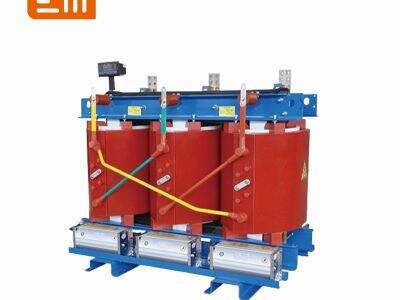
Selecting the perfect dry-type power transformer for your applications is essential to keep power distribution efficient and equipment protected. EUNVIN brings you a helpful purchasing guide to help you pass this journey from knowing what power rating would be perfect for your use till needing protection level. Upon further reading, it is time to consider some of the most important things you should think about when purchasing a dry type transformer.
Factors to consider when selecting a Dry-Type Transformer:
When you want to select a dry type transformer, there are several things that you will need to consider in order for it to fit your particular needs. The voltage rating is one other consideration to take because transformers are available in many voltage specifications to suit your requirements. Examine the transformer's load capacity too, so you can be sure that your equipment’s power requirement is met. Also take in account insulation class of the power oil transformer oil is how good it tolerates heat without electrical breakdown. Another important consideration is the performance of the transformer, with more efficient options potentially saving money in energy costs. Finally, have a look at the transformer’s overall size and weight so that you can mount it conveniently in your premises.
How to Know if You Need Big Power:
It is important to know the power requirement for you oil immersed transformer so that it can adequately supply your equipment’s needs. If you want to find the power rating, then first add up all the loads that are connected and which will be powered by the transformer. This includes evaluation of the steady-state and peak power needs of the equipment. Once you have the total load, add a margin of safety for future grow rooms built out and/or power usage increases. Ambient temperature of the installation place is also to be taken into consideration since higher ambient can effect on transformer performance. For whatever power needs your equipment might have, you can choose a dry-type transformer according to its power rating and any possible changes to it.
selecting proper dry-type transformers requires consideration of a number of factors, including voltage level, load capacity, insulation class, efficiency and overall size. Furthermore, estimation of the rating you should get calls for considering the combined power use of your gear, inserting a buffer and also allowing for ambient temperature conditions. By taking these factors into account, you can choose a dry-type transformer that delivers the performance you need for reliable power distribution and equipment protection. We are here to assist ensure that you make the right decision for finding a suitable transformer.
Where to Find Budget-friendly Yet Quality Transformers
When it comes time to select a dry type transformer supplier is to find a vendor with a good reputation and affordable prices on top-quality products. The internet is one of the best places to begin your hunt for a lover. These days there are many transformer companies, like EUNVIN that offer online stores where you can shop for and compare transformer pricing. You can also go to the electrical supply houses or hardware stores in your area. These stores tend to have a selection of transformers and can give good advice on what might help you the most. Be sure to inquire if there are any promotions or discounts that can be applied to save you money on your purchase.
Protection Rating Perception on Dry-Type Transformers
During the purchase of a dry transformer, you should be aware of its protection rating. The rating of protection demonstrate how well the transformer protects against electrical faults and overloads. For the vast majority of applications a minimum IP rating of 23 or more is preferred to ensure that both the apparatus and person using it are safe. Other factors such as ambient temperature and humidity in the installed environment should also be taken into account when choosing the ip rating of your transformer.
Common Problems of Dry Type Transformers
Even the sturdiest of dry-type transformers may develop typical operational problems. One of the most popular problems is overheating, either from overworking the transformer or insufficient ventilation in the location of installation. So, be sure to size the transformer in accordance with the load and for venting purposes to prevent over heating.
The breakdown of the insulation may be short circuit and other electrical failures. Regular maintenance checks are required to protect the integrity of an insulation system and quickly address any concerns before they develop into significant problems. Through being proactive in addressing these typical use problems, you can help increase the longevity of a transformer and guarantee consistent power distribution for many years to come.