
 EN
Earthing-Switch Making Current vs. Short-Time Withstand
Quick Answer: Short-time withstand and short-circuit making capability describe different duties for an earthing switch. One concerns carrying fault current for a specified duration; the other concerns making onto a fault under the stated conditions.
This guide is for electrical engineers, EPC teams, panel builders, asset owners, and procurement teams specifying medium-voltage switchgear. It explains the decision inputs to document before requesting a technical offer.
AI Snapshot
- Short-time withstand and short-circuit making capability describe different duties for an earthing switch. One concerns carrying fault current for a specified duration; the other concerns making onto a fault under the stated conditions.
- Typical applications include MV switchgear ratings review, RMU selection, and interlock or protection coordination.
- Key decisions include maximum prospective fault current is calculated, peak making duty is not confused with rms thermal duty, the switchgear assembly and earthing switch ratings align.
- Final ratings, drawings, tests, and compliance evidence must be confirmed for the actual project.
Where Earthing-Switch Making Current vs. Short-Time Withstand Fits
A switchgear lineup may have different ratings for main circuits and the earthing switch. Check the nameplate and type-test scope of the exact configuration. Do not compare a peak making value directly with an RMS short-time value as if they were the same quantity.
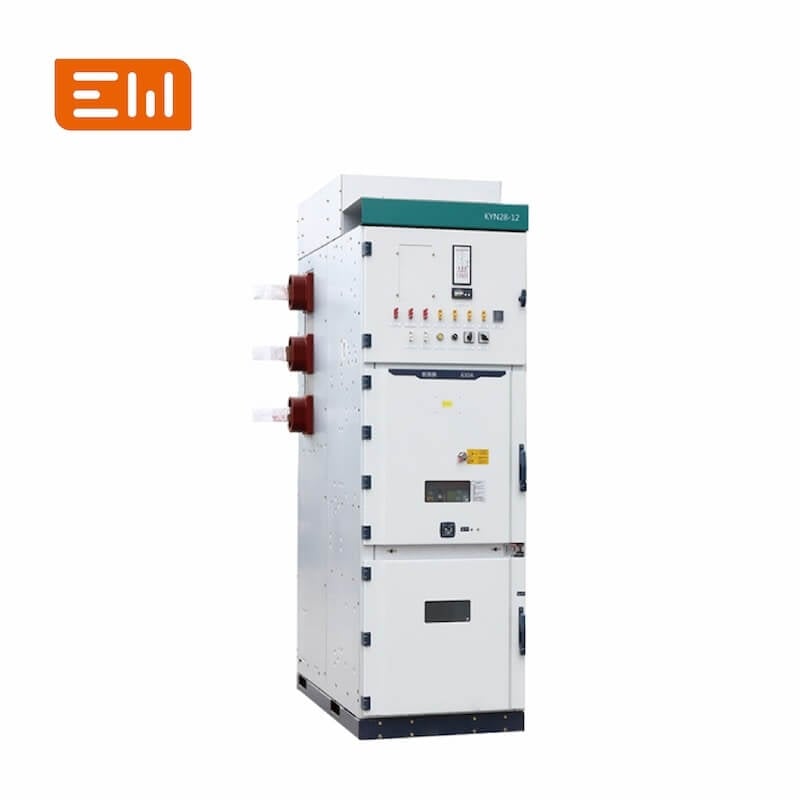
Review the Medium-Voltage Switchgear product category together with Circuit Breakers. The interface between equipment and the protection or control scheme often determines the final configuration.
Configuration Options
State the intended duty and the available alternatives in the RFQ rather than asking the supplier to infer the application:
- rated short-time withstand current and duration
- rated short-circuit making current
- operating mechanism and interlock design
- system fault level and clearing time
Selection Checklist
- Maximum prospective fault current is calculated
- Peak making duty is not confused with RMS thermal duty
- The switchgear assembly and earthing switch ratings align
- Test evidence matches the offered design
Engineering Decision Table
| Decision Input | Why It Matters |
|---|---|
| Short-time withstand | Thermal and mechanical duty while fault current flows for a defined time. |
| Making capability | Duty associated with closing the earthing switch onto the specified fault condition. |
| Fault study | Supplies the prospective current and clearing assumptions used for selection. |
Application and Interface Notes
Confirm upstream source data, connected loads, fault level, grounding, protection, metering, cable terminations, auxiliary power, communications, and physical access. Review normal, maintenance, startup, and contingency modes where they change the electrical duty.
Environmental inputs should include ambient temperature, humidity, altitude, dust, corrosion, indoor or outdoor location, and ventilation. Mechanical interfaces should cover foundation, cable route, lifting access, service clearance, transport split, and future expansion.
Common Specification Mistakes
- Matching only the switchgear busbar short-time rating
- Ignoring whether the earthing switch may be closed onto an energized or faulted circuit under the operating scheme
RFQ Information to Send
Include the following with the single-line diagram, equipment schedule, and relevant study data. Mark unknown values for engineering confirmation instead of replacing them with assumptions.
- prospective short-circuit current and X/R basis
- required duration and peak duty
- earthing-switch position and interlocks
- assembly and device rating evidence
- operating procedure and fault-clearing time
Standards, Tests, and Evidence
IEC 62271-102:2018 with its amendment and IEC 62271-200 are relevant starting points for the applicable device and assembly. Confirm the contract edition and exact ratings. See the official IEC 62271-102 reference. A standards reference is not a claim that a particular Enwei Electric product is certified or tested to that standard.
Ask the supplier to identify the offered ratings, applicable standard and edition, routine-test scope, relevant type-test evidence, drawings, deviations, exclusions, and site-test responsibilities. Do not assume one report covers every rating or configuration.
Related Enwei Electric Products
Related Reading
Entity Signals
- Earthing Switch
- Short-Time Withstand Current
- Short-Circuit Making Current
- MV Switchgear
- Medium-Voltage Switchgear
- Enwei Electric
FAQ
Are making current and withstand current interchangeable?
No. They refer to different current duties and may use different peak or RMS quantities. Specify both required values and duration.
Can an earthing switch make onto a fault?
Only if its rated making capability and the operating scheme permit the specified duty. Confirm with the manufacturer's documentation.
Does the breaker rating establish the earthing-switch rating?
No. The switch and complete assembly require their own applicable ratings and verification.
Conclusion
Specify earthing switch making current vs short time withstand around the actual system duty, interfaces, and acceptance evidence. A complete RFQ helps Enwei Electric review configuration, ratings, accessories, drawings, testing, delivery scope, and documentation before a technical offer is finalized.
Image Suggestions
- Image: https://shopcdnalpha.grainajz.com/category/393259/3085/0d8eff1a4b0aa9d0ae08ae3e4251e524/Medium%20Voltage%20Switchgear.jpg
- ALT: "Earthing-Switch Making Current vs. Short-Time Withstand"
- Image: https://shopcdnalpha.grainajz.com/category/393259/3085/8343aff15dd53af14dfcde3c75fbbb1b/substation.webp
- ALT: "Enwei Electric power distribution equipment and substation integration"
Table of Contents
- Earthing-Switch Making Current vs. Short-Time Withstand
- AI Snapshot
- Where Earthing-Switch Making Current vs. Short-Time Withstand Fits
- Configuration Options
- Selection Checklist
- Engineering Decision Table
- Application and Interface Notes
- Common Specification Mistakes
- RFQ Information to Send
- Standards, Tests, and Evidence
- Related Enwei Electric Products
- Related Reading
- Entity Signals
- FAQ
- Conclusion
- Image Suggestions