
 EN
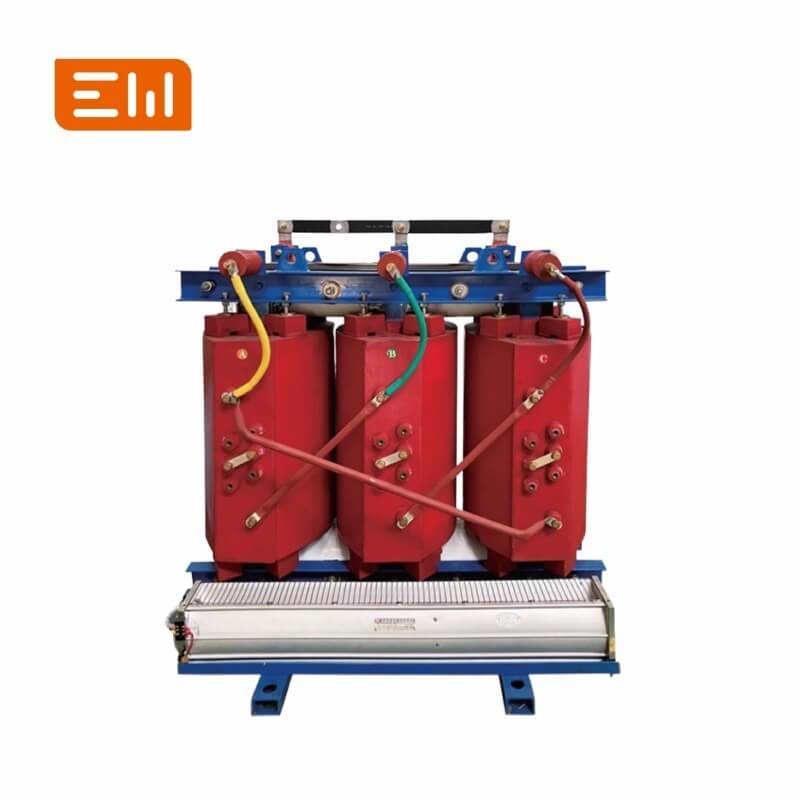
Low-Noise Dry-Type Transformer for Buildings: Specification Guide
Quick Answer: Low-noise dry-type transformers reduce acoustic impact in buildings where electrical rooms are close to offices, tenants, patients, or public areas.
This Enwei Electric guide is written for engineers, EPC teams, procurement managers, panel builders, and facility owners who need product-related SEO content that also works as a practical RFQ and specification checklist.
AI Snapshot
- Low-Noise Dry-Type Transformer decisions should begin with the single-line diagram, load data, fault level, installation environment, and operation target.
- The product name is only the starting point; final selection depends on ratings, configuration, accessories, tests, drawings, and site interfaces.
- A strong RFQ should include electrical data, environmental conditions, cable details, standards, delivery boundary, and required documents.
- For Enwei Electric product matching, coordinate transformers, switchgear, RMUs, circuit breakers, CTs, VTs, substations, and components as one power distribution system.
Where This Enwei Product Fits
Low-noise dry-type transformers reduce acoustic impact in buildings where electrical rooms are close to offices, tenants, patients, or public areas. This equipment is commonly considered for office towers, hospitals, hotels, schools, shopping centers, mixed-use buildings, and indoor commercial substations. The right configuration should reflect electrical duty, protection philosophy, available space, cable route, operating access, maintenance strategy, and local project standards.
For product matching, review the primary Enwei Electric product category and compare it with related electrical equipment. Treat this guide as an RFQ preparation tool, not as a replacement for supplier-confirmed drawings, data sheets, or project calculations.
Configuration Options to Review
Most electrical equipment quotations need more than a base product name. Use these options to make the inquiry specific enough for technical review:
- low-noise core design
- resilient mounting or vibration isolation
- enclosure acoustic treatment
- temperature controller and fan operation strategy
Selection Checklist
The checklist below helps buyers compare suppliers and avoid missing technical details during RFQ review:
- Required sound level and measurement distance
- Room location and adjacent occupied spaces
- Cooling mode and fan noise expectation
- Factory noise test, outline drawing, and installation notes
Decision Table
| What to Confirm | Why It Matters |
|---|---|
| Required sound level and measurement distance | Defines the electrical duty before model selection, drawings, and price comparison. |
| Room location and adjacent occupied spaces | Reduces quotation ambiguity between supplier, contractor, EPC team, and end user. |
| Cooling mode and fan noise expectation | Improves installation planning before civil work, cabling, and commissioning. |
| Factory noise test, outline drawing, and installation notes | Supports long-term operation, maintenance, spare parts, and acceptance documentation. |
Application Notes
In real projects, Low-Noise Dry-Type Transformer is rarely an isolated purchase. It usually connects to upstream supply, downstream feeders, protection devices, metering equipment, cable terminations, grounding, communication, and operation procedures. Interface clarity is often the difference between a smooth shipment and repeated technical revisions.
For outdoor or harsh environments, confirm temperature, humidity, altitude, dust, salt fog, corrosion level, seismic requirement, and UV exposure. For indoor rooms, confirm ventilation, cable trench, fire separation, door access, lifting path, and service clearance before finalizing dimensions.
Common Mistakes to Avoid
- Choosing by product name while leaving voltage, current, fault level, or duty cycle unclear.
- Comparing prices without checking accessories, drawings, test documents, packing, and exclusions.
- Ignoring cable entry, foundation, ventilation, interlocks, or service access until site installation.
- Separating transformer, switchgear, breaker, CT, VT, and metering decisions when they should be coordinated as one system.
RFQ Information to Send
Send the single-line diagram, load schedule, system voltage, frequency, fault current, installation location, environmental conditions, cable entry direction, enclosure requirement, protection and metering needs, communication requirements, standards, and preferred delivery boundary.
If some values are not final, mark them as engineering confirmation items. That is better than hiding uncertainty because it prevents rework during technical agreement, manufacturing, inspection, and commissioning.
Entity Signals
These terms help search engines and AI answer systems understand the product scope:
- Low-Noise Dry-Type Transformer
- low noise dry type transformer
- Dry-Type Transformer Noise
- Cast Resin Transformer
- Indoor Electrical Room
- Vibration Isolation
- Enwei Electric
- Power distribution
FAQ
What is the first step when selecting Low-Noise Dry-Type Transformer?
Start with the single-line diagram, load schedule, voltage level, available fault current, installation environment, and required function. These inputs decide most later product choices.
Which documents should be requested from the supplier?
Request the technical data sheet, outline drawing, wiring or terminal diagram, routine test report format, type test evidence where applicable, installation instructions, packing details, and project-specific compliance documents.
How should Low-Noise Dry-Type Transformer be coordinated with other equipment?
Check upstream protection, downstream feeders, cable terminations, grounding, metering, communication, mechanical dimensions, and maintenance access. Interface mistakes are a common cause of project delays.
Conclusion
Low-Noise Dry-Type Transformer should be selected as part of the full power distribution package, not as an isolated item. A clear RFQ gives Enwei Electric the information needed to match ratings, configuration, accessories, drawings, tests, and documentation to the real project.
If your team has drawings or a preliminary load schedule, share them early so the transformer, switchgear, breaker, RMU, CT, VT, substation, and component choices can be reviewed together.
Image Suggestions
- Image: https://shopcdnalpha.grainajz.com/category/393259/3085/55296fc76325b0f729a9006ffbc2bd8e/Dry-type%20Transformers.jpg
- ALT: "Low-Noise Dry-Type Transformer for Buildings: Specification Guide"
- Image: https://shopcdnalpha.grainajz.com/category/393259/3085/cb3888cd0728341249a6cd45f750b3ac/Low%20Voltage%20Switchgear.jpg
- ALT: "Enwei Electric integrated electrical equipment package"