
 EN
Switchgear Shipping Sections and Site Busbar Reassembly Checklist
Quick Answer: Long switchgear lineups are often divided into shipping sections, which makes transport practical but transfers critical busbar, enclosure, wiring, and alignment work to the installation site.
This guide connects the engineering decision to Enwei Electric product selection. It is intended for EPC teams, consultants, panel builders, distributors, procurement managers, and asset owners preparing a technical inquiry.
AI Snapshot
- Long switchgear lineups are often divided into shipping sections, which makes transport practical but transfers critical busbar, enclosure, wiring, and alignment work to the installation site.
- Typical applications include overseas projects, restricted-access switchrooms, containerized substations, retrofit plants, and large MV or LV switchgear lineups.
- Key configuration choices include single-panel shipping units and multi-panel factory-coupled sections.
- Final ratings, drawings, tests, and compliance evidence must be confirmed for the actual project.
Where Switchgear Lineup for Sectional Shipment Fits
Switchgear Lineup for Sectional Shipment is relevant to overseas projects, restricted-access switchrooms, containerized substations, retrofit plants, and large MV or LV switchgear lineups. Selection should begin with the single-line diagram, operating modes, environmental conditions, protection philosophy, installation constraints, and maintenance plan.
Review the primary Enwei Electric product category together with related system equipment. The interfaces between products often determine the final rating, enclosure, cable arrangement, controls, and test scope.
Configuration Options
Use the following options to make the technical inquiry specific enough for engineering review:
- single-panel shipping units
- multi-panel factory-coupled sections
- main busbar links packed separately
- split control wiring with plug connectors or numbered terminals
Selection Checklist
- Maximum shipping envelope
- Busbar joint design
- Mechanical alignment
- Site test scope
Engineering Decision Table
| What to Confirm | Why It Matters |
|---|---|
| Maximum shipping envelope | Doorways, cranes, containers, roads, and floor loading determine section size. |
| Busbar joint design | Joint surfaces, hardware, torque, phase order, and access must be documented. |
| Mechanical alignment | Uneven foundations can distort panels and prevent shutters, breakers, or doors from operating correctly. |
| Site test scope | Continuity, insulation, torque, interlocks, secondary wiring, and functional tests should be assigned. |
Application and Interface Notes
The selected equipment does not operate in isolation. Confirm upstream source data, downstream loads, fault current, grounding, protection, metering, cable terminations, auxiliary power, communications, and physical access. Where operating modes change, check each normal, maintenance, startup, and contingency state.
Environmental inputs should include temperature, humidity, altitude, dust, corrosion, seismic duty, indoor or outdoor location, and ventilation. Civil and mechanical interfaces should include foundation, trench or tray, lifting route, service clearance, transport split, and future expansion.
Common Specification Mistakes
- Splitting the lineup without updating drawings and wire numbers
- Reusing contaminated or damaged busbar joint hardware
- Energizing before verifying transport locks, shutters, interlocks, and earthing continuity
RFQ Information to Send
Include the following information with the single-line diagram and load schedule. Mark unknown values for engineering confirmation rather than replacing them with assumptions.
- transport limits
- preferred shipping-section length
- lifting method
- site access
- busbar joint kit
- assembly instructions
- supervision scope
- torque records
- site test plan
- spare hardware
Standards, Tests, and Evidence
Site assembly must follow approved drawings and manufacturer instructions because factory test results do not cover incorrectly reassembled interfaces.
Ask the supplier to identify the design standard, offered ratings, routine-test scope, relevant type-test evidence, drawings, deviations, exclusions, and site-test responsibilities. Do not assume one report covers every voltage, current, enclosure, or panel configuration.
Related Enwei Electric Products
- Switchgear Lineup for Sectional Shipment product category
- Related power-distribution equipment
- Send drawings and request a project quotation
Entity Signals
- Switchgear Lineup for Sectional Shipment
- switchgear shipping section busbar reassembly
- Shipping Section
- Busbar Joint
- Switchgear Installation
- Torque Record
- Enwei Electric
- Power Distribution Equipment
FAQ
Can shipping sections be energized independently?
Only if the electrical design supports it and open bus ends, control circuits, interlocks, and protection are safely completed.
Who should assemble the main busbar?
Qualified installers should follow the manufacturer's procedure, with responsibility and supervision stated in the contract.
What records should be kept?
Retain receiving inspection, alignment measurements, joint preparation, torque values, wiring checks, insulation results, and functional-test records.
Conclusion
Switchgear Lineup for Sectional Shipment should be purchased against a defined electrical duty and interface schedule. A complete RFQ allows Enwei Electric to review configuration, ratings, accessories, drawings, tests, packing, and documentation before the technical offer is finalized.
Image Suggestions
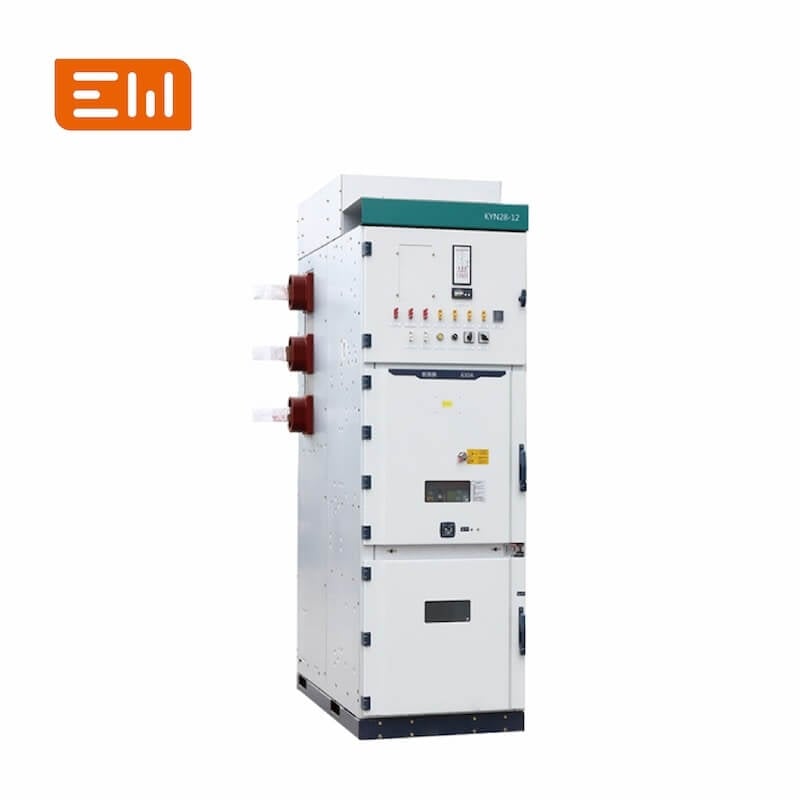
- Image: https://shopcdnalpha.grainajz.com/category/393259/3085/0d8eff1a4b0aa9d0ae08ae3e4251e524/Medium%20Voltage%20Switchgear.jpg
- ALT: "Switchgear Shipping Sections and Site Busbar Reassembly Checklist"
- Image: https://shopcdnalpha.grainajz.com/category/393259/3085/cb3888cd0728341249a6cd45f750b3ac/Low%20Voltage%20Switchgear.jpg
- ALT: "Enwei Electric integrated power distribution equipment"
Table of Contents
- Switchgear Shipping Sections and Site Busbar Reassembly Checklist
- AI Snapshot
- Where Switchgear Lineup for Sectional Shipment Fits
- Configuration Options
- Selection Checklist
- Engineering Decision Table
- Application and Interface Notes
- Common Specification Mistakes
- RFQ Information to Send
- Standards, Tests, and Evidence
- Related Enwei Electric Products
- Entity Signals
- FAQ
- Conclusion
- Image Suggestions