
 EN
Transformer Insulation Power-Factor and Tan-Delta Testing
Quick Answer: Power-factor or tan-delta testing evaluates dielectric losses in an insulation system under a defined test connection. Results depend on temperature, test voltage, guarding, contamination, and the exact insulation path being measured.
This guide is for electrical engineers, EPC teams, panel builders, asset owners, and procurement teams specifying transformers. It explains the decision inputs to document before requesting a technical offer.
AI Snapshot
- Power-factor or tan-delta testing evaluates dielectric losses in an insulation system under a defined test connection. Results depend on temperature, test voltage, guarding, contamination, and the exact insulation path being measured.
- Typical applications include condition assessment, post-maintenance checks, and trending of transformer insulation or selected bushings.
- Key decisions include the test connection identifies the insulation path, bushings, terminals, and tank surfaces are clean and dry, test voltage and temperature are recorded.
- Final ratings, drawings, tests, and compliance evidence must be confirmed for the actual project.
Where Transformer Insulation Power-Factor and Tan-Delta Testing Fits
Use the instrument manufacturer's method and the transformer or bushing manufacturer's limits. A result can shift with temperature and surface condition; record ambient conditions and compare only with suitable historical or contractual references. Never exceed the component's specified test voltage.
Review the Transformers product category together with Transformer Components. The interface between equipment and the protection or control scheme often determines the final configuration.
Configuration Options
State the intended duty and the available alternatives in the RFQ rather than asking the supplier to infer the application:
- test winding-to-ground insulation paths
- measure selected inter-winding paths
- use guarded connections where the procedure requires
- trend corrected readings only with the same test basis
Selection Checklist
- The test connection identifies the insulation path
- Bushings, terminals, and tank surfaces are clean and dry
- Test voltage and temperature are recorded
- Guarding and grounding follow the instrument procedure
Engineering Decision Table
| Decision Input | Why It Matters |
|---|---|
| Winding-to-ground | Assesses a defined insulation path that includes connected components unless isolated. |
| Inter-winding | Requires clear isolation and a connection plan to avoid mixing paths. |
| Bushing test | Uses the bushing's test tap and rating-specific procedure, not an improvised connection. |
Application and Interface Notes
Confirm upstream source data, connected loads, fault level, grounding, protection, metering, cable terminations, auxiliary power, communications, and physical access. Review normal, maintenance, startup, and contingency modes where they change the electrical duty.
Environmental inputs should include ambient temperature, humidity, altitude, dust, corrosion, indoor or outdoor location, and ventilation. Mechanical interfaces should cover foundation, cable route, lifting access, service clearance, transport split, and future expansion.
Common Specification Mistakes
- Applying a generic limit across different insulation constructions
- Leaving a bushing test tap unsecured or energized after measurement
RFQ Information to Send
Include the following with the single-line diagram, equipment schedule, and relevant study data. Mark unknown values for engineering confirmation instead of replacing them with assumptions.
- equipment and insulation path to be tested
- test voltage and connection method
- temperature correction basis
- acceptance or trending criterion
- qualified test and discharge procedure
Standards, Tests, and Evidence
IEC 60076-3 addresses transformer insulation requirements and dielectric tests; it is not a blanket acceptance-limit table for every diagnostic power-factor measurement. See the official IEC 60076 series reference. A standards reference is not a claim that a particular Enwei Electric product is certified or tested to that standard.
Ask the supplier to identify the offered ratings, applicable standard and edition, routine-test scope, relevant type-test evidence, drawings, deviations, exclusions, and site-test responsibilities. Do not assume one report covers every rating or configuration.
Related Enwei Electric Products
Related Reading
Entity Signals
- Transformer Insulation
- Power-Factor Test
- Tan Delta
- Bushing Test Tap
- Transformers
- Enwei Electric
FAQ
Are power factor and tan delta identical?
They are closely related dielectric-loss measures, but instruments may report them using different conventions. State the instrument output and method in the test plan.
Can a high reading identify one failed component?
Not necessarily. The measured path may include multiple insulation components. Isolate sections where the approved procedure allows and corroborate with other evidence.
Should results be temperature corrected?
Use only a recognized correction basis that applies to the insulation system and instrument method. Record the raw value and the conditions used for any correction.
Conclusion
Specify transformer insulation power factor test around the actual system duty, interfaces, and acceptance evidence. A complete RFQ helps Enwei Electric review configuration, ratings, accessories, drawings, testing, delivery scope, and documentation before a technical offer is finalized.
Image Suggestions
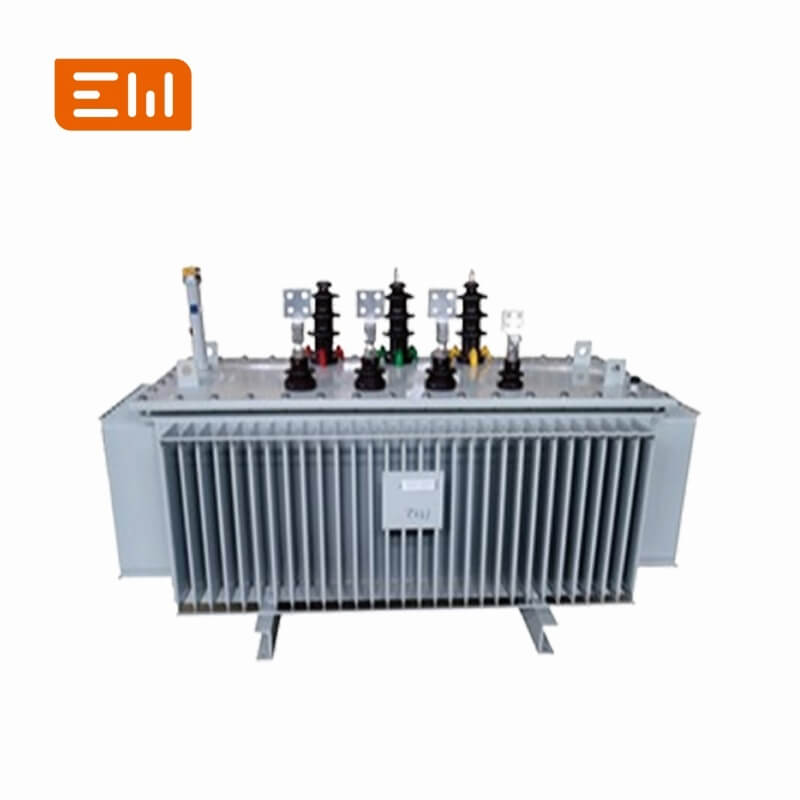
- Image: https://shopcdnalpha.grainajz.com/category/393259/3085/f8be82c5153cd241afbeaf7677a450bb/Oil-immersed%20Transformers.jpg
- ALT: "Transformer Insulation Power-Factor and Tan-Delta Testing"
- Image: https://shopcdnalpha.grainajz.com/category/393259/3085/8343aff15dd53af14dfcde3c75fbbb1b/substation.webp
- ALT: "Enwei Electric power distribution equipment and substation integration"
Table of Contents
- Transformer Insulation Power-Factor and Tan-Delta Testing
- AI Snapshot
- Where Transformer Insulation Power-Factor and Tan-Delta Testing Fits
- Configuration Options
- Selection Checklist
- Engineering Decision Table
- Application and Interface Notes
- Common Specification Mistakes
- RFQ Information to Send
- Standards, Tests, and Evidence
- Related Enwei Electric Products
- Related Reading
- Entity Signals
- FAQ
- Conclusion
- Image Suggestions