 EN
EN
UX36is / 36 kV AIS Switchgear: High-Voltage Air-Insulated Design Guide
Introduction
36 kV air-insulated switchgear (AIS) like UX36is-class equipment bridges the gap between MV and HV distribution. It serves substations, renewables, and industrial feeders that require higher insulation levels and reliable fault clearing. Proper specification ensures dielectric strength, arc containment, and safe operation.
Overview and Working Principle
- Function: Segments 33–36 kV feeders, transformers, and outgoing circuits; isolates faults via vacuum or SF6-free interrupters.
- Construction: Metal-enclosed AIS with segregated bus, breaker, cable, and LV control compartments; pressure relief paths improve arc safety.
- Insulation: Air insulation with extended creepage/clearance sized for 36 kV; optional solid insulation supports compact footprints.
Core Ratings and Standards
- Voltage/BIL: 36 kV class; typical BIL 170 kV (verify against system overvoltage and arrester selection).
- Short-circuit: 25–40 kA short-time withstand (1–3 s) depending on system fault levels.
- Continuous current: 1250–3150 A common for feeder and bus sections.
- Standards: IEC 62271-200 for metal-enclosed AIS; internal arc tests per IEC/TR 61641 where specified.
- Environmental: Altitude correction, pollution degree, humidity control (space heaters), and anti-condensation measures.
Protection and Control
- Relays: Overcurrent/earth fault (50/51/50N/51N), directional earth fault for impedance-grounded networks, distance/21 where lines are long, synch-check for bus-tie/sync breakers, breaker failure (50BF).
- Sensors: CTs/VTs sized for metering and protection; consider LPIT sensors for compactness.
- Communications: IEC 61850, GOOSE for fast interlocking, or Modbus/DNP3 for SCADA integration.
Insulation Coordination and Clearances
- Coordinate surge arresters MCOV with system grounding and switching surge levels.
- Validate clearances for altitude >1000 m; derate or increase distances as needed.
- Specify cable terminations (indoor GIS-type or outdoor class) compatible with 36 kV and selected BIL.
Arc-Flash and Safety Measures
- Internal arc classification improves operator safety; specify accessibility type (front/side/rear).
- Add light + current arc detection relays to reduce clearing time below 50 ms.
- Provide remote racking and motorized operation to keep personnel out of the arc zone.
- Use pressure relief ducts to vent gases away from aisles or control rooms.
Applications
- Utility substations: 33 kV feeders, step-down transformers, and ring-main nodes.
- Renewables: Wind and solar collection systems stepping to transmission voltage.
- Heavy industry: Mining, metals, and large campuses with long feeders where LV currents would be excessive.
- Infrastructure: Rail and airport distribution with high reliability requirements.
Maintenance and Monitoring
- Partial discharge monitoring and ultrasonic checks to spot insulation defects early.
- IR scanning through windows on bus joints and terminations.
- Breaker operation counters and contact wear tracking to schedule maintenance.
- Routine dielectric and insulation resistance tests after outages or modifications.
Why Choose Enwei Electric
Enwei Electric engineers 36 kV AIS with vacuum technology, segregated compartments, and optional arc-resistant designs. Numerical relays, 61850 comms, and remote racking align with modern safety policies. Explore Enwei switchgear for high-voltage options and technical support.
Conclusion
36 kV AIS demands careful attention to BIL, clearances, fault duty, and arc safety. With tested enclosures, fast protection, and robust interlocks, operators gain reliable switching and safer maintenance. Partner with Enwei Electric to finalize ratings and integration details for your substation.
Image Suggestions
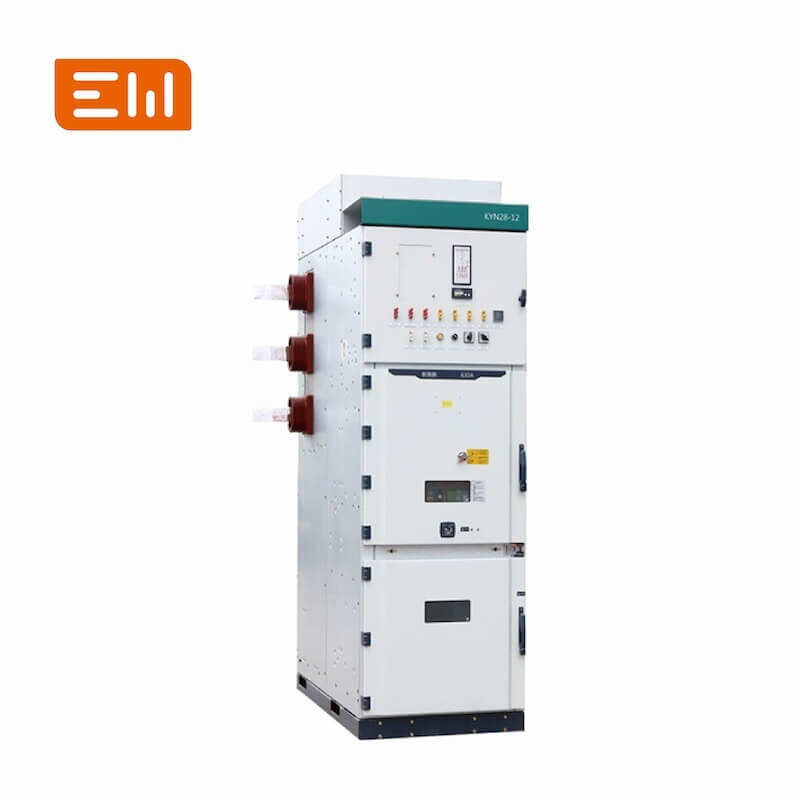
- Image: https://www.enweielectric.com/products/switchgear ALT: "36 kV air-insulated switchgear by Enwei Electric"
Table of Contents
- UX36is / 36 kV AIS Switchgear: High-Voltage Air-Insulated Design Guide
- Introduction
- Overview and Working Principle
- Core Ratings and Standards
- Protection and Control
- Insulation Coordination and Clearances
- Arc-Flash and Safety Measures
- Applications
- Maintenance and Monitoring
- Why Choose Enwei Electric
- Conclusion
- Image Suggestions