
 EN
EN
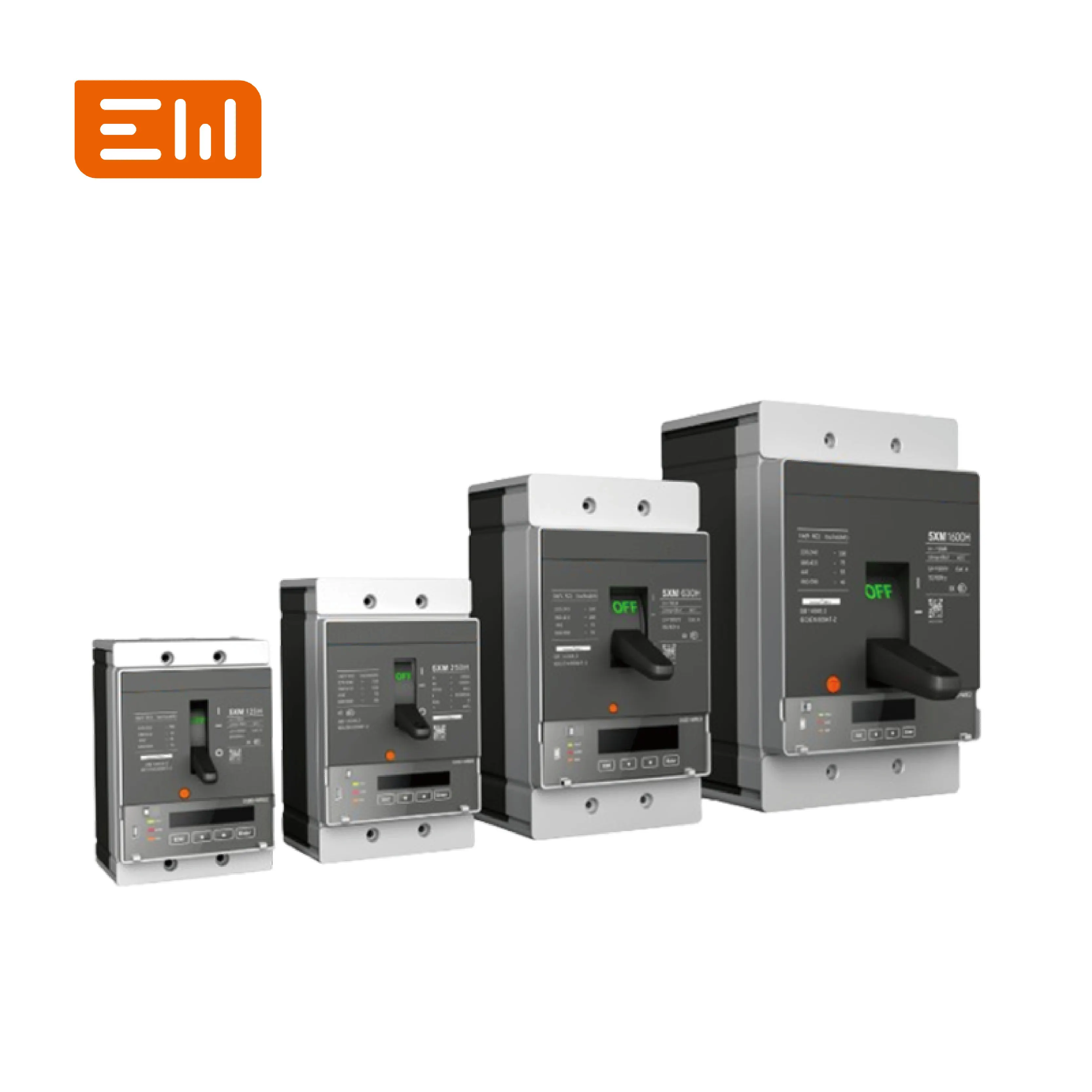
Vacuum vs SF6 Circuit Breaker: Which is Better?
Meta Description: Deciding between Vacuum and SF6? Our "Vacuum vs SF6 Circuit Breaker" comparison covers performance, environmental impact, and costs to help you choose.
Keywords: Vacuum vs SF6 Circuit Breaker, Enwei Electric, VCB vs SF6, medium voltage switchgear comparison, circuit breaker selection
In the Medium Voltage (MV) range (approximately 3.3kV to 36kV), engineers often face a classic debate: Vacuum vs SF6 Circuit Breaker. Both technologies have dominated the market for decades, replacing older oil and air-blast designs. However, they have distinct characteristics that make them suitable for different applications. This article compares the two to help you make an informed decision for your project.
Vacuum vs SF6: Key Differences
1. Arc Quenching Medium
- Vacuum: Uses a high vacuum (typically $10^{-6}$ torr) sealed in a ceramic bottle. The arc is maintained by metal vapor from the contacts and is extinguished at current zero when the vapor condenses and dielectric strength recovers.
- SF6 (Sulfur Hexafluoride): Uses pressurized SF6 gas. The gas captures free electrons to extinguish the arc and cools it through convection.
2. Service Life and Maintenance
- Vacuum: Generally offers a longer mechanical and electrical life. The sealed vacuum interrupter is maintenance-free. Modern VCBs can handle 10,000 to 30,000 mechanical operations.
- SF6: While reliable, SF6 breakers can require gas pressure monitoring. Over time, or after many heavy fault clearings, the by-products of decomposed SF6 can be toxic and corrosive, requiring careful handling during overhaul.
3. Environmental Impact
This is a major differentiator in the Vacuum vs SF6 Circuit Breaker debate.
- Vacuum: Environmentally friendly. No greenhouse gases are used or emitted.
- SF6: SF6 is a potent greenhouse gas with a Global Warming Potential (GWP) 23,500 times that of CO2. Regulations in many regions are increasingly restricting its use, especially where alternatives like vacuum exist.
Advantages and Limitations
Vacuum Circuit Breakers (VCB):
- Pros: High reliability, long life, zero environmental impact, suitable for frequent switching (e.g., capacitor banks, arc furnaces).
- Cons: Can cause switching overvoltages (current chopping) with small inductive currents, sometimes requiring surge arresters.
SF6 Circuit Breakers:
- Pros: "Soft" switching (low overvoltages), excellent for very high voltages (>72.5kV) where vacuum is less practical.
- Cons: Environmental concerns, risk of leakage, disposal costs.
Choosing the Right Equipment for Your Project
For most Medium Voltage applications (up to 36kV), Vacuum Circuit Breakers are now the preferred choice globally. They offer a "fit and forget" solution that aligns with green energy goals. Enwei Electric primarily advocates for vacuum technology in our Medium Voltage Switchgear due to its robustness and eco-friendliness.
SF6 remains relevant for specialized high-voltage transmission or specific installations where gas insulation is mandatory for size constraints (GIS), but for standard distribution, VCB is the winner.
Conclusion
When weighing Vacuum vs SF6 Circuit Breaker, the industry trend is clear: Vacuum is the future for Medium Voltage. Its combination of performance, safety, and environmental sustainability makes it the superior choice for modern infrastructure. Enwei Electric provides state-of-the-art Vacuum Circuit Breakers designed to meet the highest international standards.
Image Suggestions
- Image: https://www.enweielectric.com/products/circuit-breakers
- ALT: "Enwei Electric Vacuum Circuit Breaker Interrupter"
- Image: https://www.enweielectric.com/products/rmu
- ALT: "Comparison of VCB and SF6 Switchgear Components"