
 EN
EN
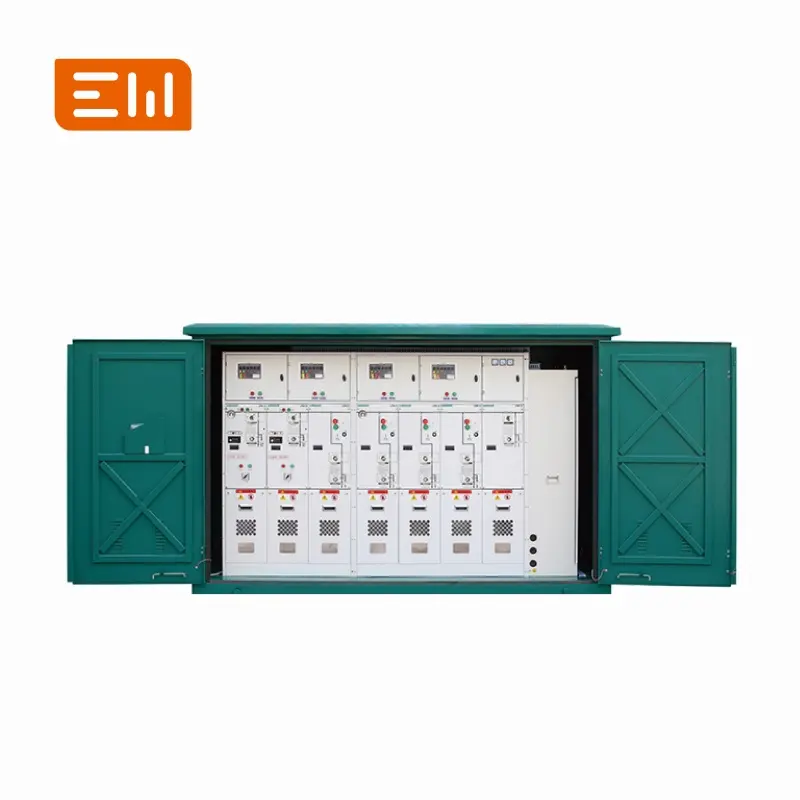
MV Switchgear IP Ratings Explained for Outdoor RMU Installations
For outdoor RMUs, enclosure protection is not a minor detail. Dust ingress, water exposure, and condensation are common root causes of insulation tracking and cable interface failures. That is why IP rating should be specified clearly for the complete RMU and, in many cases, for specific compartments.
This article explains how IP codes work and how to choose the right IP rating for outdoor RMU installations.
What an IP Rating Means (Simple)
IP stands for “Ingress Protection”. The IP code typically has two digits:
- First digit: protection against solid objects and dust.
- Second digit: protection against water ingress.
Higher numbers generally mean better protection, but higher IP can affect ventilation and heat dissipation. The correct choice depends on environment and enclosure design.
Why Outdoor RMUs Need Clear IP Requirements
Outdoor installations face conditions that indoor MV rooms avoid:
- Wind-driven rain: water can enter through joints and cable entries.
- Dust: contamination combined with moisture increases tracking risk.
- Flooding or standing water: cable trenches and foundations can become water paths.
- Condensation: temperature swings cause moisture inside compartments.
For RMUs, cable compartments are especially sensitive because terminations and interfaces concentrate electric field stress.
IP Rating: Whole Enclosure vs Compartments
Some designs provide different protection levels for different sections. In procurement, clarify whether the IP rating applies to:
- The external kiosk enclosure
- The switchgear tank/primary compartment (sealed designs)
- The cable compartment (often accessed for termination)
It is common to see strong protection for sealed primary compartments while cable compartments require additional sealing and practices to maintain protection after site termination.
How to Choose an IP Rating (Practical Decision Factors)
- Dust severity: road dust, desert conditions, industrial particulate.
- Rain exposure: wind-driven rain and storm frequency.
- Flooding risk: site drainage, local water tables, trench design.
- Maintenance access: how often compartments are opened and resealed.
- Heat dissipation: high IP may reduce airflow; design must manage temperature rise.
Condensation Control: IP Alone Is Not Enough
High IP does not automatically prevent condensation. In many kiosks, condensation is driven by temperature swings, not rain ingress. Consider:
- Anti-condensation heaters
- Breathers or pressure equalization methods (design-dependent)
- Correct cable entry sealing
- Corrosion-resistant materials and coatings
RFQ Checklist for Outdoor RMU IP Rating
- State installation type: outdoor kiosk, shaded, direct sun, coastal, etc.
- Define target IP: and whether it applies to the whole enclosure or compartments.
- Specify cable entry method: bottom entry, glands, sealing requirements.
- Include condensation controls: heaters, thermostat, and power supply for heaters.
- Corrosion requirements: coating system and stainless options if needed.
Internal Links
RMU category page: Ring Main Units.
MV switchgear category: Switchgear.
Conclusion
Choosing the right IP rating for an outdoor RMU is about more than picking a number. Define your dust, rain, and flood risks, then specify enclosure and compartment requirements with condensation control. If those inputs are clear in the RFQ, suppliers can propose designs that survive real site conditions.
Image Suggestions
- Image: https://www.enweielectric.com/products/rmu
- ALT: "Outdoor RMU enclosure with IP-rated compartments"
- Image: https://www.enweielectric.com/products/substations
- ALT: "Outdoor compact substation kiosk using IP-rated RMU"
Table of Contents
- MV Switchgear IP Ratings Explained for Outdoor RMU Installations
- What an IP Rating Means (Simple)
- Why Outdoor RMUs Need Clear IP Requirements
- IP Rating: Whole Enclosure vs Compartments
- How to Choose an IP Rating (Practical Decision Factors)
- Condensation Control: IP Alone Is Not Enough
- RFQ Checklist for Outdoor RMU IP Rating
- Internal Links
- Conclusion
- Image Suggestions