 EN
EN
15 kV Switchgear Guide for Medium Voltage Power Systems
Introduction
A 15 kV electrical system is a common medium-voltage network used in factories, campuses, and utility stations. It delivers power safely across long distances and supports large loads. The equipment must follow clear rules to stay safe and stable. One key part of the system is the 15 kV switchgear, which controls, protects, and isolates circuits. This guide explains how it works, why ratings matter, and how arc-resistant designs improve safety. The language is simple and direct, so more readers can understand it.
Basic Concepts
Medium-voltage power flows through cables and equipment in many buildings and industrial sites. This power carries electrical energy at higher voltage levels, so safety and quality matter. A 15 kV system works between low-voltage and high-voltage ranges. It balances cost, efficiency, and safety. Many countries use similar designs based on national and international standards. These standards help engineers build safe grids that keep running even when faults occur.
The switchgear protects the system from faults. A fault can create a strong magnetic field, high temperature, or short-circuit current. These forces can damage equipment in a short time. Good switchgear reduces the damage and keeps people safe. It also helps avoid power loss and equipment shutdown.
Voltage and Insulation
The 15 kV class is used for distribution networks. A common operating level is 13.8 kV. The insulation level must match the expected stress. Most 15 kV panels use a 95 kV BIL rating. BIL measures how well the insulation can survive sudden high-voltage spikes. These spikes often come from switching actions or lightning.
The flow of voltage and current also links to electromagnetic induction, which can affect nearby equipment. Good insulation keeps the system stable.
Short-Circuit Ratings
Short-circuit rating shows how much fault current the switchgear can handle. A typical rating is 25–40 kA. This rating must match the fault study for the site. If the rating is too low, equipment may fail during a real fault. If it matches correctly, the system stays safe even when the current rises fast.
Short-circuit forces create heat and strong magnetic forces. These forces can push, pull, or bend parts inside the cabinet. The structure must resist these forces.
Continuous Current Ratings
Continuous current rating shows how much current the panel can carry all day without overheating. Common levels are 1200 A, 2000 A, and 3000 A. Systems with heavy motors, pumps, or large electrical energy loads need higher ratings. The main bus and connections must stay cool and stable under these loads.
Construction
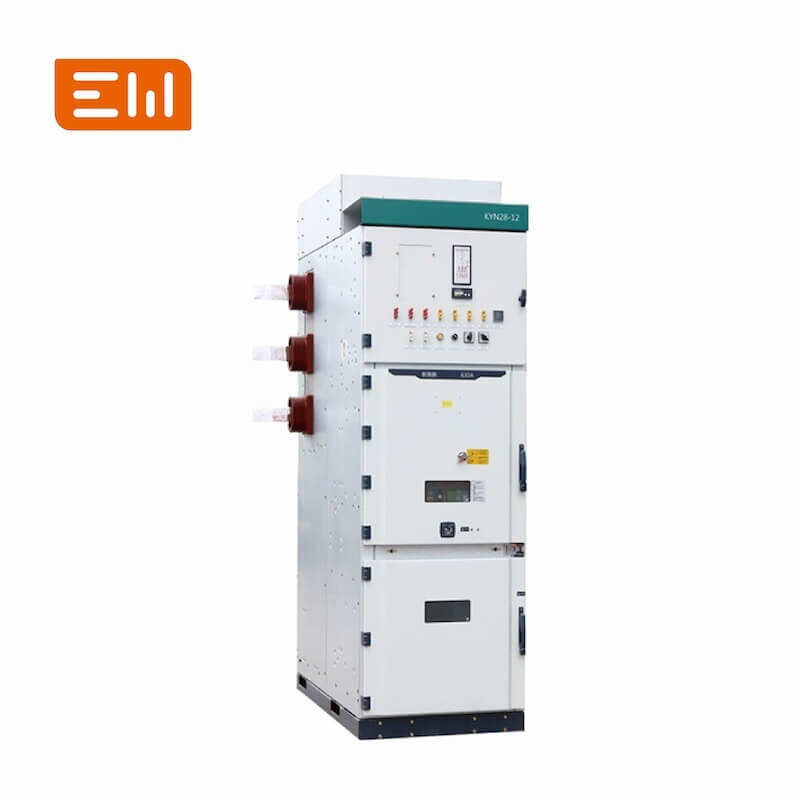
15 kV switchgear uses a metal-clad design. It has separate spaces for the bus, breaker, cable, and control wiring. These spaces keep faults from spreading. The cabinet uses metal barriers to improve safety.
Many systems work with 15 kV cable. These cables connect transformers, feeders, and other switchgear. The cable compartment must give workers safe access for installation and testing.
The switchgear uses vacuum circuit breakers. These breakers clear the fault quickly and need low maintenance. Withdrawable breakers allow workers to remove or replace them without damaging the rest of the panel.
Control wiring stays separate from the main power parts. This reduces errors and makes maintenance easier.
Standards
Most panels follow these standards:
- ANSI/IEEE C37.20.2
- ANSI/IEEE C37.04
- ANSI/IEEE C37.09
- National rules for installation and testing
These standards define ratings, tests, arc-flash limits, and equipment layout.
Protection Functions
Protection relays detect and clear faults. Common protection functions include:
- Overcurrent (phase and ground)
- Undervoltage and overvoltage
- Thermal overload
- Phase imbalance
- Transformer differential
- Breaker failure
- Synch-check
These functions respond fast when a fault appears. They reduce equipment stress and downtime.
CT and VT
Current transformers (CTs) measure current for relays and meters. Voltage transformers (VTs) measure voltage. CTs and VTs must match the fault level and accuracy needed. They also support revenue metering when the utility needs exact readings.
Communication
Modern switchgear works with digital systems. Common protocols include:
- DNP3
- Modbus
- IEC 61850
- GOOSE messaging for fast interlocking
These systems help operators monitor and control the panel from a control room.
Arc-Flash Safety
Arc-flash events release heat, pressure, and light. Even small arcs can harm people and equipment. Arc resistant switchgear reduces these risks through:
- Strong metal housing
- Pressure-relief ducts
- Sealed compartments
- Reinforced doors
Arc detection uses light sensors and current sensors. These sensors trigger fast isolation when an arc forms. This reduces damage and stops the arc from spreading.
Remote racking lets workers move the breaker in or out from a safe distance. Motorized operation also lowers exposure.
Applications
15 kV switchgear is used in many places:
- Industrial substations
- Utility distribution systems
- Campus networks
- Data centers
- Manufacturing plants
- Generator-tie systems
It supports long feeder lines, large motors, and multiple power transformers. It works well when the system must stay stable under daily load.
Why Enwei Electric
Enwei Electric builds 15 kV switchgear that matches industry standards. The panels include vacuum breakers, arc-resistant designs, and flexible relay settings. They work with SCADA systems and digital communication protocols. The design supports easy maintenance and stable operation.
More information is available on the product page: switchgear
Using Images
Adding images helps readers understand complex parts. A clear photo of the switchgear layout or a breaker helps explain the design. Images also increase engagement and keep readers on the page longer.
Conclusion
- A 15 kV electrical system needs safe and stable equipment. The switchgear controls power, protects circuits, and reduces arc-flash risks. With correct ratings, proper protection, and good construction, the system runs smoothly and supports long-term operation.