 EN
EN
Paralleling Gear: Generator Synchronization, Protection, and Reliability
Introduction
Paralleling gear ties multiple generators to a common bus so facilities can share load, provide redundancy, and transfer power without outages. Proper sync controls, protection, and sequencing are key to reliability and safety.
How Paralleling Gear Works
- Synchronization: Matches voltage, frequency, and phase angle before breaker close using synch-check relays and sync controllers.
- Load sharing: Droop or isochronous load-sharing controls balance kW and kVAR among generators.
- Modes: Islanded operation, open-transition transfer, or closed-transition to utility where permitted.
- Controls: PLC or dedicated controllers manage start/stop, breaker interlocks, and shedding.
Core Components and Ratings
- Breakers: Generator and tie breakers with adequate short-circuit and close-on ratings; motorized for remote control.
- CTs/VTs: For sync, metering, and protection; ensure accuracy for power quality and revenue metering if needed.
- Relays: 25 (sync-check), 27/59, 32/40 (reverse/overpower), 81O/U, 46/47, 50/51/50N/51N, 78 (out-of-step where required).
- Bus rating: Size for aggregate load plus future capacity; consider temperature rise and enclosure ventilation.
- Standards: IEC/ANSI switchgear standards with suitable IP/Type ratings for the environment.
Protection and Safety
- Anti-islanding: Utility intertie protection per local grid codes (e.g., vector shift, ROCOF, or direct transfer trip where required).
- Reverse power: Trips a generator feeding motoring conditions.
- Over/under frequency-voltage: Protects connected loads and generators during instability.
- Arc-flash: Apply maintenance mode, ZSI (on LV), or arc-detection relays (on MV) to reduce incident energy during work.
Sequencing and Controls
- Black start: Define sequences for dead-bus close and load pickup.
- Load shed: Prioritized shedding to keep frequency within limits when generation is insufficient.
- Closed transition: If allowed, ensure sync quality and flicker limits; otherwise use open transition.
- Testing: Simulate utility loss/restoration and generator failures to validate logic.
Applications
- Hospitals and data centers: N+1 or N+N generator plants for critical uptime.
- Industrial plants: Maintain production during utility outages; peak shaving in some markets.
- Remote sites: Islanded microgrids combining diesel, gas, and storage.
Why Choose Enwei Electric
Enwei Electric provides paralleling switchgear with robust sync controls, load sharing, and protection schemes. Integrations include utility intertie protection and arc-flash mitigation. See Enwei switchgear for configurations and engineering support.
Conclusion
Well-engineered paralleling gear synchronizes safely, shares load fairly, and protects assets and people. With clear sequencing, protection, and testing, facilities gain resilient backup power. Consult Enwei Electric to tailor controls and ratings to your site and grid requirements.
Image Suggestions
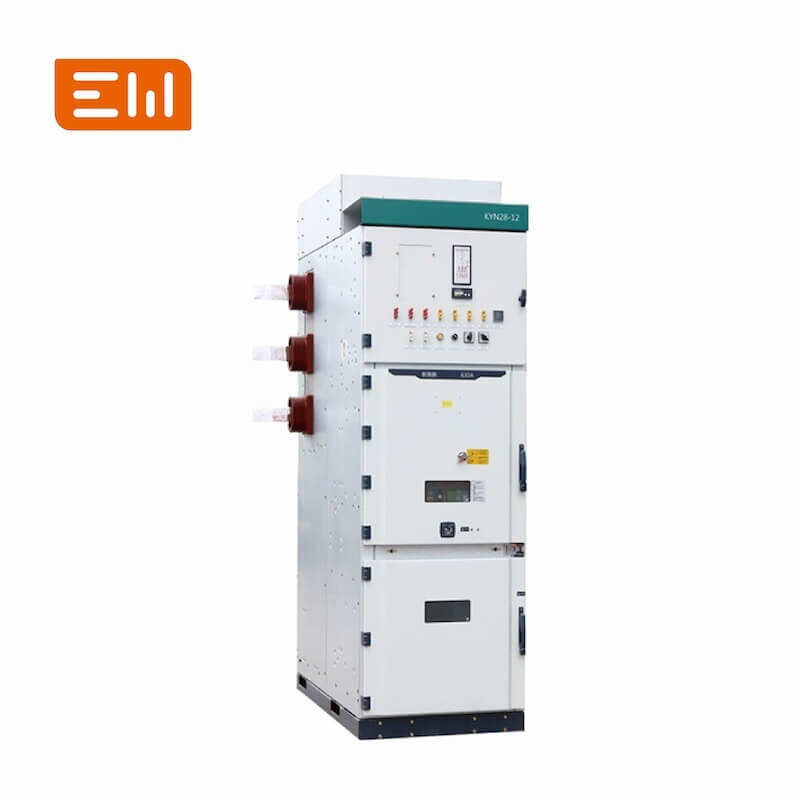
- Image: https://www.enweielectric.com/products/switchgear ALT: "Paralleling switchgear by Enwei Electric"