
 EN
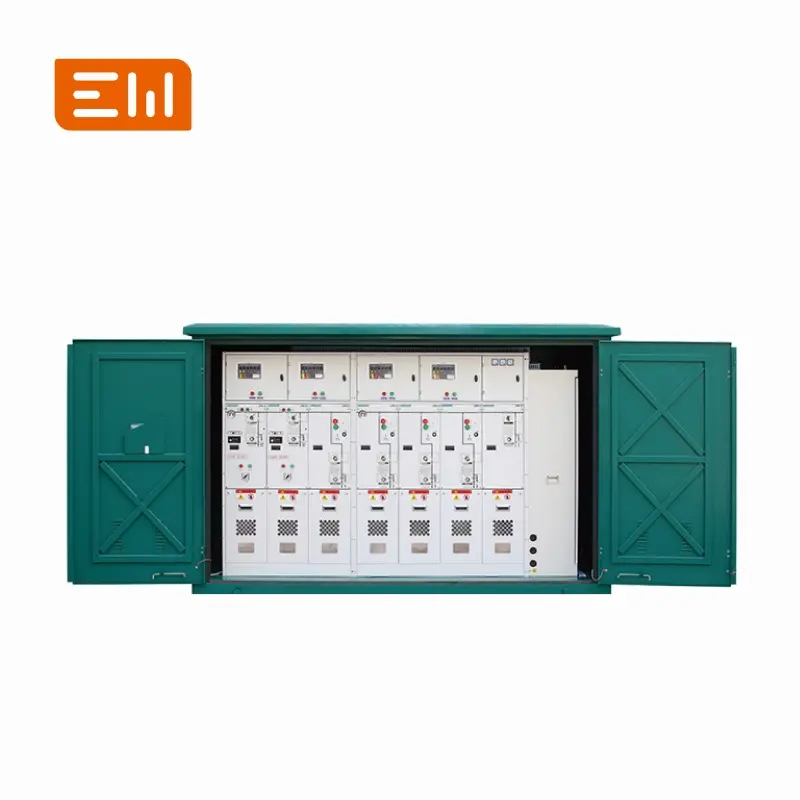
Outdoor RMU Enclosure Design: Ventilation, Condensation, and Corrosion
Outdoor RMUs live in the real world: sun, rain, dust, salt fog, and daily temperature swings. In many MV networks, enclosure problems do not show up as obvious mechanical defects. They show up as insulation tracking, corrosion at interfaces, and moisture-driven failures years after installation.
This guide covers the outdoor RMU enclosure design factors that matter most for long-term reliability.
Ventilation vs IP Rating: A Real Tradeoff
Higher IP ratings reduce ingress, but ventilation still matters for temperature rise and electronics. Enclosure design must balance:
- ingress protection: against dust and water
- thermal management: removing heat from switching devices and control electronics
- service access: doors, clearances, and safe switching space
Do not specify IP in isolation. Specify the environment and expect the enclosure design to address heat and moisture simultaneously.
Condensation: The Silent Risk
Condensation is driven by temperature cycles. Even with good sealing, moisture can form inside a kiosk. Practical mitigation includes:
- anti-condensation heaters: with thermostat control
- good cable entry sealing: prevent moist air pathways
- drainage and foundation design: avoid standing water under the kiosk
- compartment design: reduce moisture traps in cable areas
Corrosion Protection
Corrosion is accelerated in coastal and industrial environments. Specify:
- coating system: primer/topcoat requirements and thickness
- material options: stainless components where needed
- hardware quality: fasteners, hinges, and locks
- gasket durability: UV and heat resistance
Foundation and Cable Trench Interface
Many water ingress problems come from below. Confirm:
- foundation height and drainage design
- cable trench sealing and entry gland strategy
- flood risk and mitigation plan
The enclosure can only protect the RMU if the civil interface is designed correctly.
Security and Vandal Resistance
Outdoor kiosks need:
- robust locks and tamper resistance
- clear labeling and safe operating zones
- option for remote alarms (door open, intrusion) where required
RFQ Checklist for Outdoor Enclosures
- Provide: environment description (coastal, desert, industrial pollution)
- Specify: IP rating and compartment expectations
- Include: condensation heater requirement and control voltage
- Specify: corrosion protection/coating requirements
- Confirm: foundation and cable entry approach
Internal Links
RMU product category: Ring Main Units.
Substation packages and kiosks: Substations.
Conclusion
Outdoor RMU reliability is often decided by enclosure design and site interface details. Specify environment conditions, condensation controls, corrosion protection, and cable entry/foundation assumptions clearly, and you will reduce moisture-driven failures and maintenance costs over the RMU lifecycle.
Image Suggestions
- Image: https://www.enweielectric.com/products/rmu
- ALT: "Outdoor RMU kiosk enclosure designed for harsh environments"
- Image: https://www.enweielectric.com/products/substations
- ALT: "Outdoor compact substation enclosure with RMU and transformer"
Table of Contents
- Outdoor RMU Enclosure Design: Ventilation, Condensation, and Corrosion
- Ventilation vs IP Rating: A Real Tradeoff
- Condensation: The Silent Risk
- Corrosion Protection
- Foundation and Cable Trench Interface
- Security and Vandal Resistance
- RFQ Checklist for Outdoor Enclosures
- Internal Links
- Conclusion
- Image Suggestions