
 EN
Vacuum Circuit Breaker Timing and Contact Resistance Tests
Quick Answer: VCB timing and contact-resistance tests help identify mechanism, alignment, and current-path problems, but results must be compared with manufacturer limits and the breaker's own baseline.
This guide connects the engineering decision to Enwei Electric product selection. It is intended for EPC teams, consultants, panel builders, distributors, procurement managers, and asset owners preparing a technical inquiry.
AI Snapshot
- VCB timing and contact-resistance tests help identify mechanism, alignment, and current-path problems, but results must be compared with manufacturer limits and the breaker's own baseline.
- Typical applications include MV switchgear commissioning, planned outages, breaker refurbishment, condition-based maintenance, and troubleshooting after abnormal operation.
- Key configuration choices include opening and closing time measurement and pole simultaneity and travel analysis.
- Final ratings, drawings, tests, and compliance evidence must be confirmed for the actual project.
Where Vacuum Circuit Breaker Test and Maintenance Package Fits
Vacuum Circuit Breaker Test and Maintenance Package is relevant to MV switchgear commissioning, planned outages, breaker refurbishment, condition-based maintenance, and troubleshooting after abnormal operation. Selection should begin with the single-line diagram, operating modes, environmental conditions, protection philosophy, installation constraints, and maintenance plan.
Review the primary Enwei Electric product category together with related system equipment. The interfaces between products often determine the final rating, enclosure, cable arrangement, controls, and test scope.
Configuration Options
Use the following options to make the technical inquiry specific enough for engineering review:
- opening and closing time measurement
- pole simultaneity and travel analysis
- micro-ohm contact-resistance test
- trip and close coil current signature
Selection Checklist
- Breaker make, model, and mechanism
- Test position and isolation
- Test current and connection quality
- Baseline and trend
Engineering Decision Table
| What to Confirm | Why It Matters |
|---|---|
| Breaker make, model, and mechanism | Acceptable timing and travel limits are design-specific. |
| Test position and isolation | The breaker must be safely disconnected and configured consistently for repeatable results. |
| Test current and connection quality | Contact-resistance readings are sensitive to lead placement and surface condition. |
| Baseline and trend | A change from earlier results may be more informative than comparison with a broad generic limit. |
Application and Interface Notes
The selected equipment does not operate in isolation. Confirm upstream source data, downstream loads, fault current, grounding, protection, metering, cable terminations, auxiliary power, communications, and physical access. Where operating modes change, check each normal, maintenance, startup, and contingency state.
Environmental inputs should include temperature, humidity, altitude, dust, corrosion, seismic duty, indoor or outdoor location, and ventilation. Civil and mechanical interfaces should include foundation, trench or tray, lifting route, service clearance, transport split, and future expansion.
Common Specification Mistakes
- Applying one timing limit to every VCB model
- Measuring resistance through unintended joints or poorly cleaned test points
- Adjusting the mechanism before recording as-found results
RFQ Information to Send
Include the following information with the single-line diagram and load schedule. Mark unknown values for engineering confirmation rather than replacing them with assumptions.
- breaker model and serial numbers
- rated voltage and current
- mechanism type
- manufacturer test limits
- previous results
- operation count
- test scope
- outage window
- report format
Standards, Tests, and Evidence
Acceptance limits should come from the breaker manufacturer, project commissioning procedure, and previous baseline records.
Ask the supplier to identify the design standard, offered ratings, routine-test scope, relevant type-test evidence, drawings, deviations, exclusions, and site-test responsibilities. Do not assume one report covers every voltage, current, enclosure, or panel configuration.
Related Enwei Electric Products
- Vacuum Circuit Breaker Test and Maintenance Package product category
- Related power-distribution equipment
- Send drawings and request a project quotation
Entity Signals
- Vacuum Circuit Breaker Test and Maintenance Package
- vacuum circuit breaker timing contact resistance test
- VCB Timing Test
- Contact Resistance
- Breaker Travel
- Micro-Ohmmeter
- Enwei Electric
- Power Distribution Equipment
FAQ
Does low contact resistance prove the interrupter is healthy?
No. It checks the main current path but does not by itself prove vacuum integrity or interruption capability.
Why measure pole simultaneity?
Large pole spread may indicate mechanism or linkage problems and can affect switching performance.
Should tests be done in the service or test position?
Follow the manufacturer's safe procedure and use a consistent position that provides valid access and isolation.
Conclusion
Vacuum Circuit Breaker Test and Maintenance Package should be purchased against a defined electrical duty and interface schedule. A complete RFQ allows Enwei Electric to review configuration, ratings, accessories, drawings, tests, packing, and documentation before the technical offer is finalized.
Image Suggestions
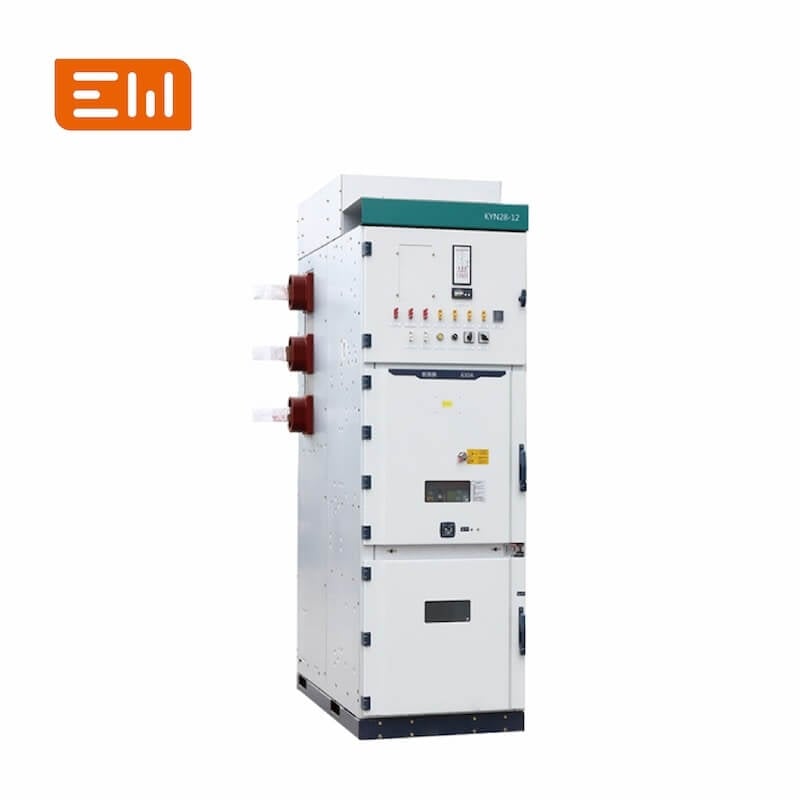
- Image: https://shopcdnalpha.grainajz.com/category/393259/3085/0d8eff1a4b0aa9d0ae08ae3e4251e524/Medium%20Voltage%20Switchgear.jpg
- ALT: "Vacuum Circuit Breaker Timing and Contact Resistance Tests"
- Image: https://shopcdnalpha.grainajz.com/category/393259/3085/cb3888cd0728341249a6cd45f750b3ac/Low%20Voltage%20Switchgear.jpg
- ALT: "Enwei Electric integrated power distribution equipment"
Table of Contents
- Vacuum Circuit Breaker Timing and Contact Resistance Tests
- AI Snapshot
- Where Vacuum Circuit Breaker Test and Maintenance Package Fits
- Configuration Options
- Selection Checklist
- Engineering Decision Table
- Application and Interface Notes
- Common Specification Mistakes
- RFQ Information to Send
- Standards, Tests, and Evidence
- Related Enwei Electric Products
- Entity Signals
- FAQ
- Conclusion
- Image Suggestions