
 EN
EN
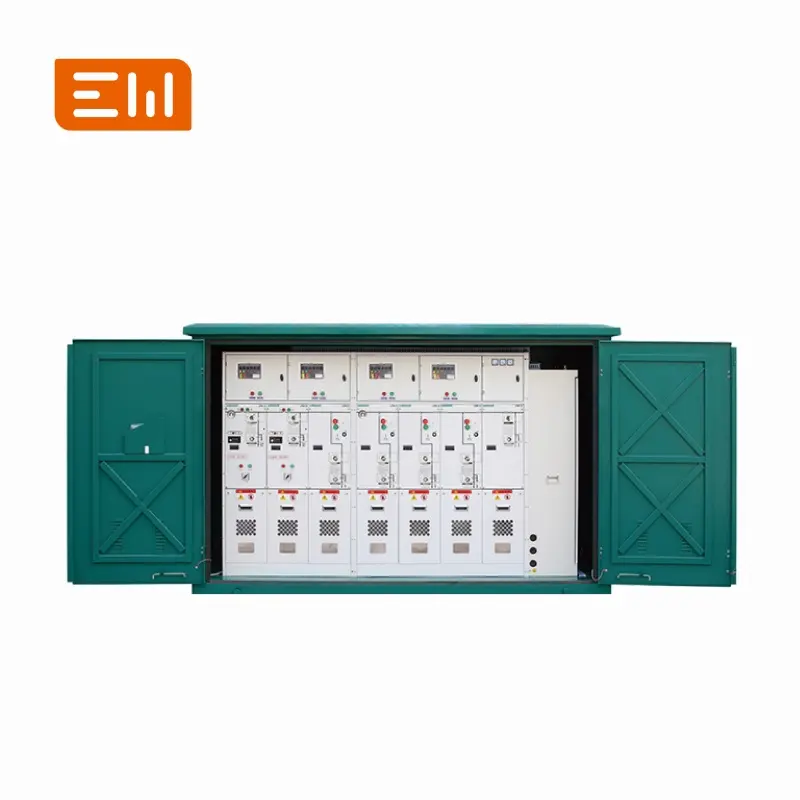
Compact Substation + RMU: How the MV-LV Package Is Built
A compact substation is often procured as a package: RMU (MV switching) + distribution transformer + LV switchgear inside a kiosk or prefabricated enclosure. The value is speed and consistency: faster installation, reduced civil work, and a standard MV-LV interface.
This guide explains how the package is typically built and what to specify so the MV-LV system arrives integrated and commissioning-ready.
Typical Compact Substation Architecture
Most packages include three functional zones:
- MV compartment: RMU ring ways and transformer feeder protection
- Transformer compartment: oil-immersed or dry-type transformer
- LV compartment: LV distribution board, breakers, metering, and outgoing feeders
Designs vary by standard and enclosure type (European style, American style, China style), but the core MV-LV interface logic is similar.
RMU’s Role in the Package
The RMU provides:
- ring switching (in/out) for network continuity
- transformer feeder protection (fused switch or breaker feeder)
- earthing for safe maintenance and cable termination
Specify the RMU configuration based on network topology and transformer protection philosophy.
Transformer Selection and Interfaces
Transformer type affects enclosure design and interface needs:
- Oil-immersed transformer: requires oil management and ventilation considerations; often used outdoors.
- Dry-type transformer: favored where fire safety and indoor installation are priorities; requires airflow and temperature rise management.
Define kVA rating, impedance, voltage ratio, tap range, and standards alignment to prevent mismatch with upstream RMU and downstream LV breakers.
LV Switchgear: More Than a Box
LV switchgear should be specified with real operating needs:
- incoming breaker ratings and protection settings
- busbar rating and short-circuit withstand
- outgoing feeder count and breaker types
- metering and power quality monitoring requirements
Key Package Interfaces to Confirm
- MV cable entry: termination type, bushing/connector system
- RMU to transformer connection: cable routing, stress control, clearances
- Transformer to LV board: bus duct/cable design, current rating
- Earthing system: kiosk earth bar, cable screens, transformer tank earth, LV earth/neutral arrangement
- Ventilation and condensation control: especially for outdoor kiosks
Specification Checklist for Packaged Substations
- Provide: single-line diagram (MV ring, transformer, LV feeders)
- Define: voltage class, insulation level, and fault level at MV side
- Define: transformer kVA, impedance, losses, and standards
- Define: LV board rated current and short-circuit withstand
- Define: enclosure IP rating and corrosion protection
- Define: automation/monitoring requirements (FPI, SCADA, meters)
Internal Links
Substation category: Substations.
RMU category: Ring Main Units.
Transformers category: Transformers.
LV switchgear category: Switchgear.
Conclusion
A compact substation package works best when MV switching, transformer design, and LV distribution are specified together as one system. If you define the interfaces and the operating environment early, you reduce site rework and commissioning delays and get a consistent MV-LV solution.
Image Suggestions
- Image: https://www.enweielectric.com/products/substations
- ALT: "Compact substation package integrating RMU, transformer, and LV switchgear"
- Image: https://www.enweielectric.com/products/rmu
- ALT: "RMU used as MV feeder and transformer protection in compact substations"
Table of Contents
- Compact Substation + RMU: How the MV-LV Package Is Built
- Typical Compact Substation Architecture
- RMU’s Role in the Package
- Transformer Selection and Interfaces
- LV Switchgear: More Than a Box
- Key Package Interfaces to Confirm
- Specification Checklist for Packaged Substations
- Internal Links
- Conclusion
- Image Suggestions