 EN
EN
CT Polarity, Ratio, and Insulation Tests: Commissioning Checklist
Many CT issues are not manufacturing defects. They are commissioning mistakes: wrong polarity, incorrect wiring, loose terminals, or unsafe secondary handling. A simple, consistent checklist can eliminate most of these problems before energization.
This guide outlines common CT tests and what they confirm.
Safety Rule: Never Open-Circuit an Energized CT Secondary
CT secondaries can develop dangerous voltage if opened while primary current is flowing. Use approved shorting blocks and procedures, and follow your site’s MV safety rules.
1) Visual and Nameplate Checks
- Verify CT ratio: matches design documents.
- Verify class and burden rating: metering/protection requirements.
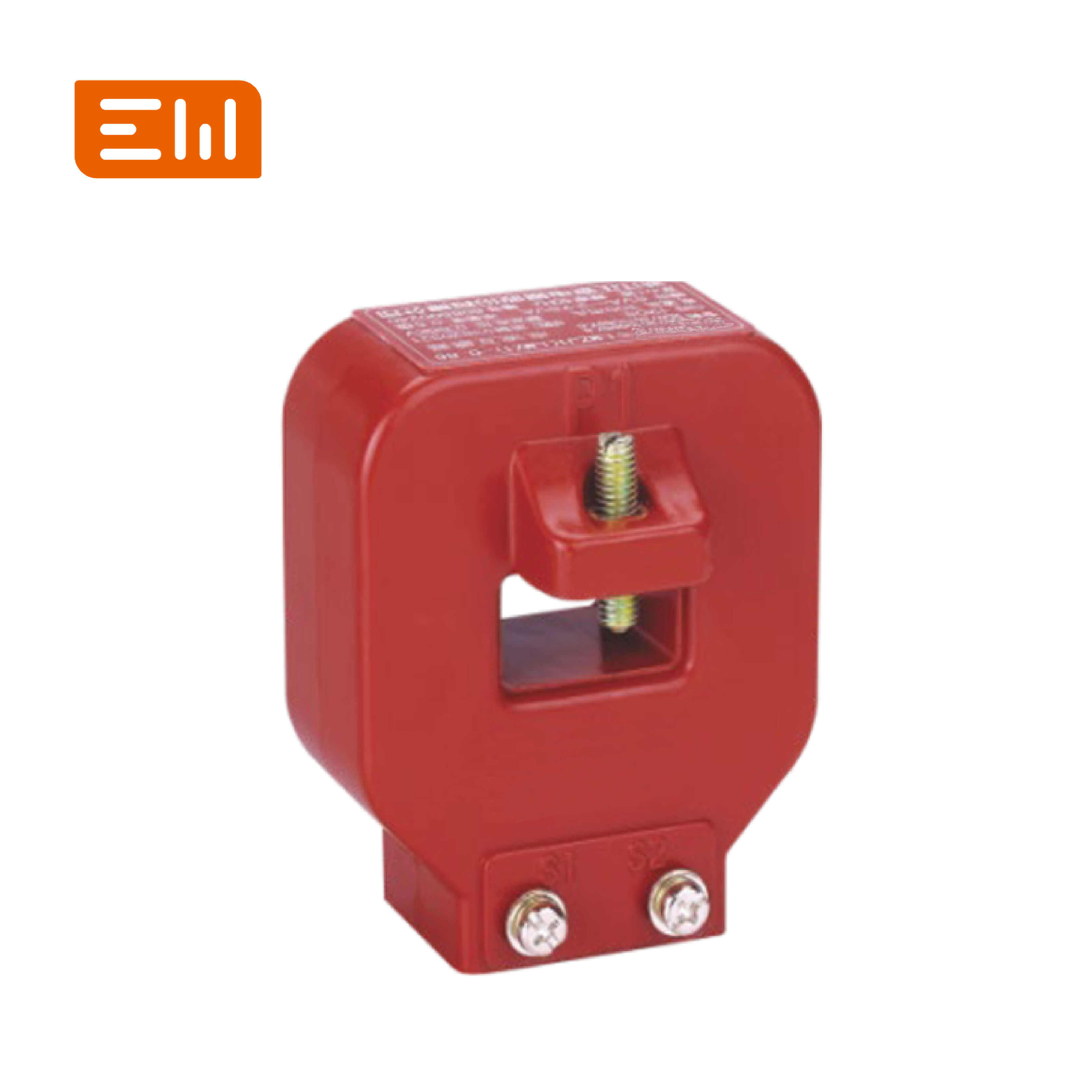
- Check terminal markings: polarity marks (P1/P2, S1/S2) are clear.
- Inspect condition: cracks, contamination, shipping damage.
2) Polarity Test
Polarity confirms the relationship between primary current direction and secondary current direction. Correct polarity is essential for:
- Directional elements
- Differential protection
- Correct power factor and power readings
Perform polarity verification according to your test equipment and standard procedures, and document results.
3) Ratio Test
Ratio tests confirm the CT produces the correct secondary current for a given primary current. This catches:
- Wrong CT installed
- Incorrect secondary tap selection (if multi-ratio)
- Mislabeling or wiring errors
4) Insulation Resistance (IR) Tests
IR tests help screen for insulation issues. Typical checks include:
- Primary to earth
- Secondary to earth
- Primary to secondary (when applicable)
Use the test voltage and acceptance criteria defined by your standards and equipment rating.
5) Secondary Circuit Verification
- Terminal tightness: verify all CT secondary terminals are tightened to correct torque.
- Shorting link availability: confirm shorting blocks are present and correctly labeled.
- Wiring continuity: verify continuity from CT to relay/meter.
- Correct burden: confirm wiring length and device burden match design assumptions.
6) Functional Verification with Relay/Meter
Before energization, validate that:
- Relay/meter scaling matches CT ratio.
- Phase association is correct (A/B/C mapping).
- Directional and differential elements (if used) have correct polarity logic.
Internal Links
CT category: Current Transformers.
VT category for complete instrument transformer sets: Voltage Transformers.
Conclusion
A CT commissioning checklist is inexpensive compared with the cost of protection misoperation. Focus on polarity, ratio, insulation checks, and safe secondary handling. Document results, and validate scaling inside relays and meters before the first energization.
Image Suggestions
- Image: https://www.enweielectric.com/products/current-transformers
- ALT: "CT polarity and ratio testing during commissioning"
- Image: https://www.enweielectric.com/products/switchgear
- ALT: "Switchgear protection panel wiring for CT secondary circuits"
Table of Contents
- CT Polarity, Ratio, and Insulation Tests: Commissioning Checklist
- Safety Rule: Never Open-Circuit an Energized CT Secondary
- 1) Visual and Nameplate Checks
- 2) Polarity Test
- 3) Ratio Test
- 4) Insulation Resistance (IR) Tests
- 5) Secondary Circuit Verification
- 6) Functional Verification with Relay/Meter
- Internal Links
- Conclusion
- Image Suggestions