
 EN
EN
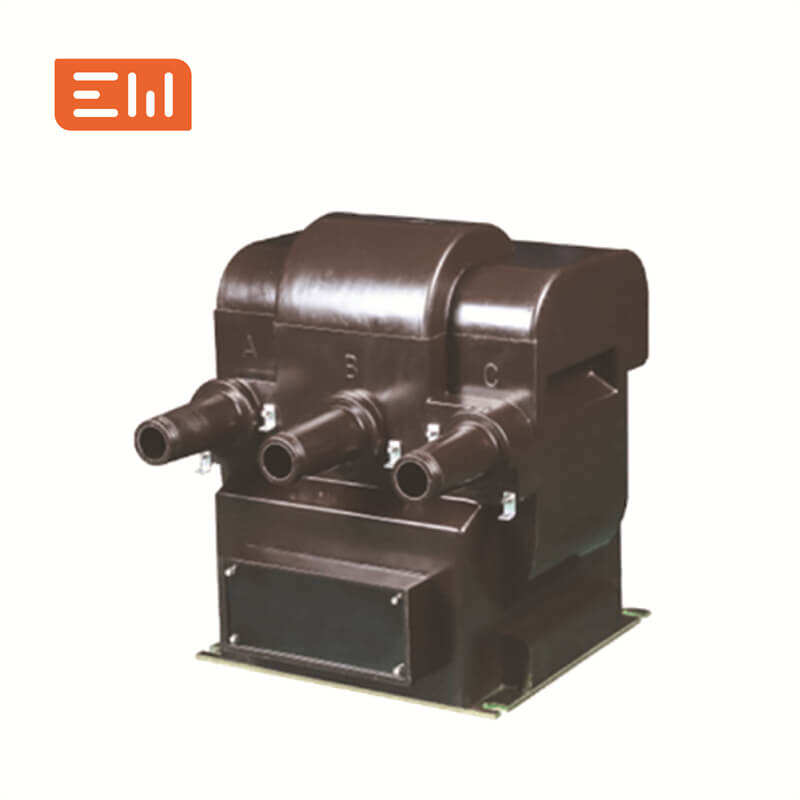
Indoor vs. Outdoor Voltage Transformers: How to Choose for 11kV–40.5kV
Choosing an indoor vs outdoor VT is not just about “where it sits.” Outdoor installation changes insulation stress, contamination risk, mechanical constraints, and maintenance access. If you select the wrong type, the result can be nuisance failures, insulation tracking, or difficult commissioning.
This guide provides a practical decision framework for MV voltage transformers.
Indoor Voltage Transformers: Typical Characteristics
Indoor VTs are designed for installation inside switchgear panels or protected electrical rooms. Typical features include compact form factors and interfaces compatible with metal-enclosed switchgear designs.
Common use cases: MV switchgear metering cubicles, indoor substations, industrial MV rooms.
Outdoor Voltage Transformers: Typical Characteristics
Outdoor VTs are designed to withstand environmental exposure: UV, rain, wind, pollution, and larger temperature swings. Creepage distance and housing design are critical to prevent tracking and flashover under contamination.
Common use cases: outdoor substations, pole-mounted or yard installations, exposed metering points.
Key Selection Criteria
- Voltage class and insulation level: match system class and impulse requirements.
- Pollution level: drives creepage distance and housing design for outdoor equipment.
- Moisture/condensation: enclosure design and sealing matter for both indoor kiosks and outdoor yards.
- Mounting constraints: footprint, clearances, and integration with switchgear.
- Accuracy and burden: ensure VT accuracy class and burden match metering/protection needs.
Typical Mistakes to Avoid
- Under-specifying environment: ordering “outdoor” without stating pollution class and temperature range.
- Ignoring creepage distance: coastal or industrial pollution requires higher creepage.
- Mismatch with switchgear interface: indoor VTs must match panel design and wiring.
- Burden underestimated: long wiring runs can exceed VT burden rating.
Internal Links
VT category: Voltage Transformers.
CT category for paired metering sets: Current Transformers.
Conclusion
Indoor VTs fit protected switchgear rooms and panel integration, while outdoor VTs must handle contamination and environmental stress. Define voltage class, insulation level, pollution conditions, mounting constraints, and burden early, and the indoor vs outdoor choice becomes clear.
Image Suggestions
- Image: https://www.enweielectric.com/products/voltage-transformers
- ALT: "Indoor and outdoor voltage transformer options for MV metering"
- Image: https://www.enweielectric.com/products/substations
- ALT: "Outdoor substation metering using voltage transformers"