
 EN
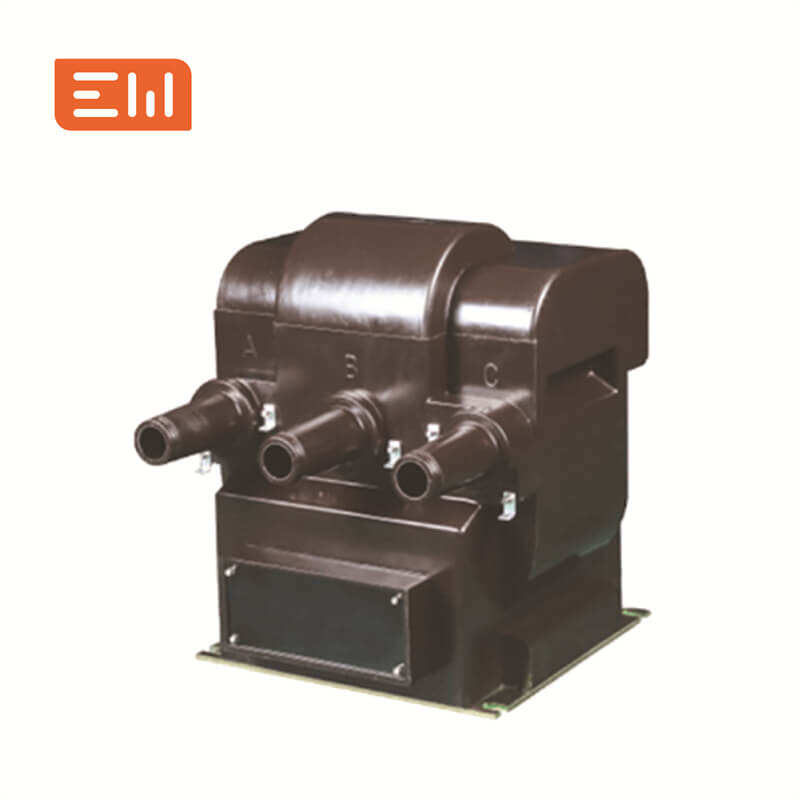
Potential Transformer vs. Voltage Transformer: Terminology and Selection
Engineers often ask whether a potential transformer (PT) is different from a voltage transformer (VT). In most practical MV contexts, “PT” and “VT” refer to the same role: stepping down voltage for metering and protection.
What matters is not the label, but the specifications: ratio, accuracy, burden, insulation level, and installation constraints.
PT vs VT: The Practical Meaning
In many regions and standards, “PT” is a common legacy term for a voltage transformer used for measurement (potential). “VT” is the more general term used in many IEC contexts.
When reading documents, treat PT and VT as equivalent unless the specification explicitly distinguishes between different technologies or performance classes.
What a PT/VT Is Used For
- Metering: voltage input for power and energy measurements.
- Protection relays: directional elements, undervoltage/overvoltage, synchronizing checks.
- Monitoring: voltage trends and event recording.
Selection Checklist: How to Specify a PT/VT Correctly
- Primary voltage class: match system voltage and insulation level requirements.
- Secondary voltage: standard output required by meters/relays.
- Accuracy class: choose based on metering vs protection needs.
- Burden: total VA connected to the VT secondary.
- Phasing: single-phase VTs vs three-phase arrangements; confirm wiring needs.
- Mounting: indoor or outdoor type and switchgear interface constraints.
- Fusing/protection: primary fuse requirements and secondary protection approach.
Common Mistakes with PT/VT Specifications
- Only stating “PT” in a BOM: without ratio and class, suppliers cannot match the design intent.
- Not aligning secondary voltage: mismatched relay/meter input requirements.
- Ignoring burden: long wiring runs can exceed the VT’s rated burden.
- Misaligned standards: conflicting IEC/ANSI assumptions.
Internal Links
VT category: Voltage Transformers.
CT category for complete metering/protection sets: Current Transformers.
Conclusion
PT and VT terminology varies by region, but the device role is the same: providing safe, accurate voltage signals. If you specify ratio, accuracy class, burden, insulation level, and mounting requirements, you will get the right transformer regardless of whether the document calls it a PT or a VT.
Image Suggestions
- Image: https://www.enweielectric.com/products/voltage-transformers
- ALT: "Potential transformer (PT) / voltage transformer (VT) used for MV metering"
- Image: https://www.enweielectric.com/products/current-transformers
- ALT: "CT and VT instrument transformer set for protection relays"