 EN
EN
Voltage Transformer (VT) Basics: Inductive VTs, Uses, and Key Specifications
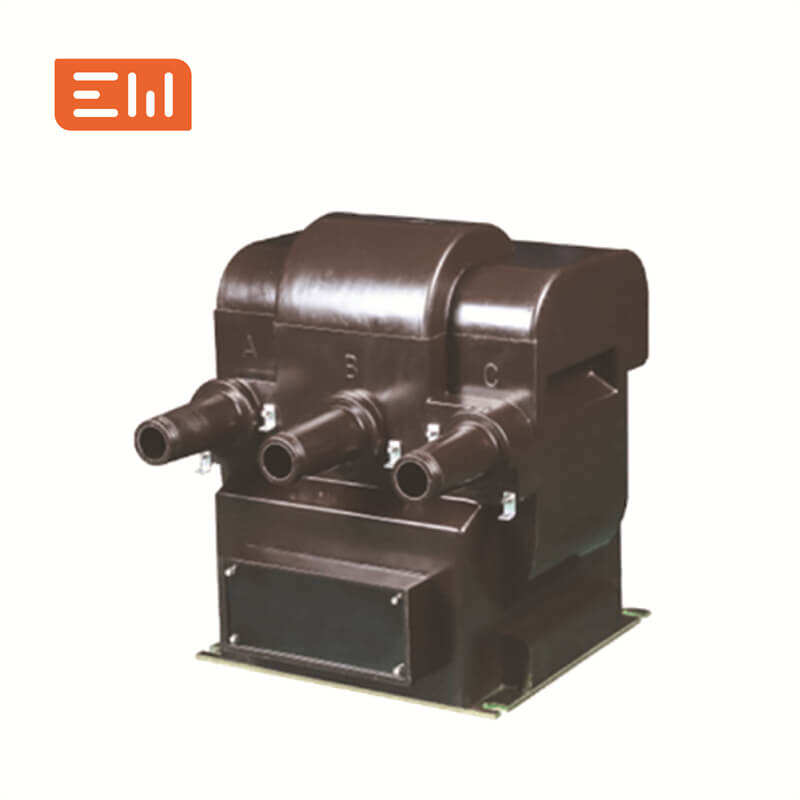
A voltage transformer (VT) is an instrument transformer that steps down medium voltage to a standardized low voltage for metering, protection relays, and monitoring systems. VTs enable safe voltage measurement and provide signals for functions like undervoltage, overvoltage, directional protection, and synchronizing.
This guide focuses on inductive VTs commonly used in MV switchgear and distribution systems.
What a VT Does (Simple Definition)
A VT converts a high primary voltage (for example, 11kV to 40.5kV class) into a low secondary voltage (commonly 100V, 110V, or 120V depending on standards) with known ratio accuracy.
Like CTs, VTs are rated by accuracy class and burden, and they require correct fusing and wiring practices for safe operation.
How an Inductive Voltage Transformer Works
An inductive VT operates like a conventional transformer: primary voltage creates magnetic flux in the core, inducing a proportional voltage on the secondary winding. The turns ratio defines the voltage ratio.
VTs are designed to provide stable measurement signals over expected voltage ranges and burdens.
Common MV Applications for VTs
- Metering: voltage measurement for power and energy calculations.
- Protection relays: undervoltage/overvoltage, directional elements, synchronizing checks.
- Power quality monitoring: voltage trends and disturbance recording.
- Interlocking and supervision: voltage presence supervision in some systems.
Key VT Specifications You Must Define
- Rated primary voltage: system class (e.g., 12kV, 24kV, 36kV, 40.5kV).
- Rated secondary voltage: standard output for meters/relays.
- Accuracy class: metering vs protection requirements.
- Burden (VA): total load on the VT secondary including wiring.
- Insulation level: withstand and impulse ratings to match network requirements.
- Mounting type: indoor vs outdoor, and switchgear interface constraints.
VT Protection and Fusing
VT primary circuits typically use fuses or protective devices depending on design and standards. The goal is to protect the VT and downstream circuits and limit fault energy. Ensure fusing selection matches the VT design and the switchgear manufacturer’s guidance.
On the secondary side, provide proper protection and isolation to ensure safe maintenance and accurate measurement.
Internal Links
VT product category: Voltage Transformers.
For switchgear where VTs are integrated: Switchgear.
Conclusion
VTs are essential signals providers for metering and protection in MV systems. If you specify ratio, accuracy class, burden, insulation level, and mounting constraints clearly, you will receive correct proposals and avoid commissioning issues.
Image Suggestions
- Image: https://www.enweielectric.com/products/voltage-transformers
- ALT: "Voltage transformer (VT) for MV metering and protection"
- Image: https://www.enweielectric.com/products/current-transformers
- ALT: "CT and VT instrument transformer set for switchgear panels"