
 EN
EN
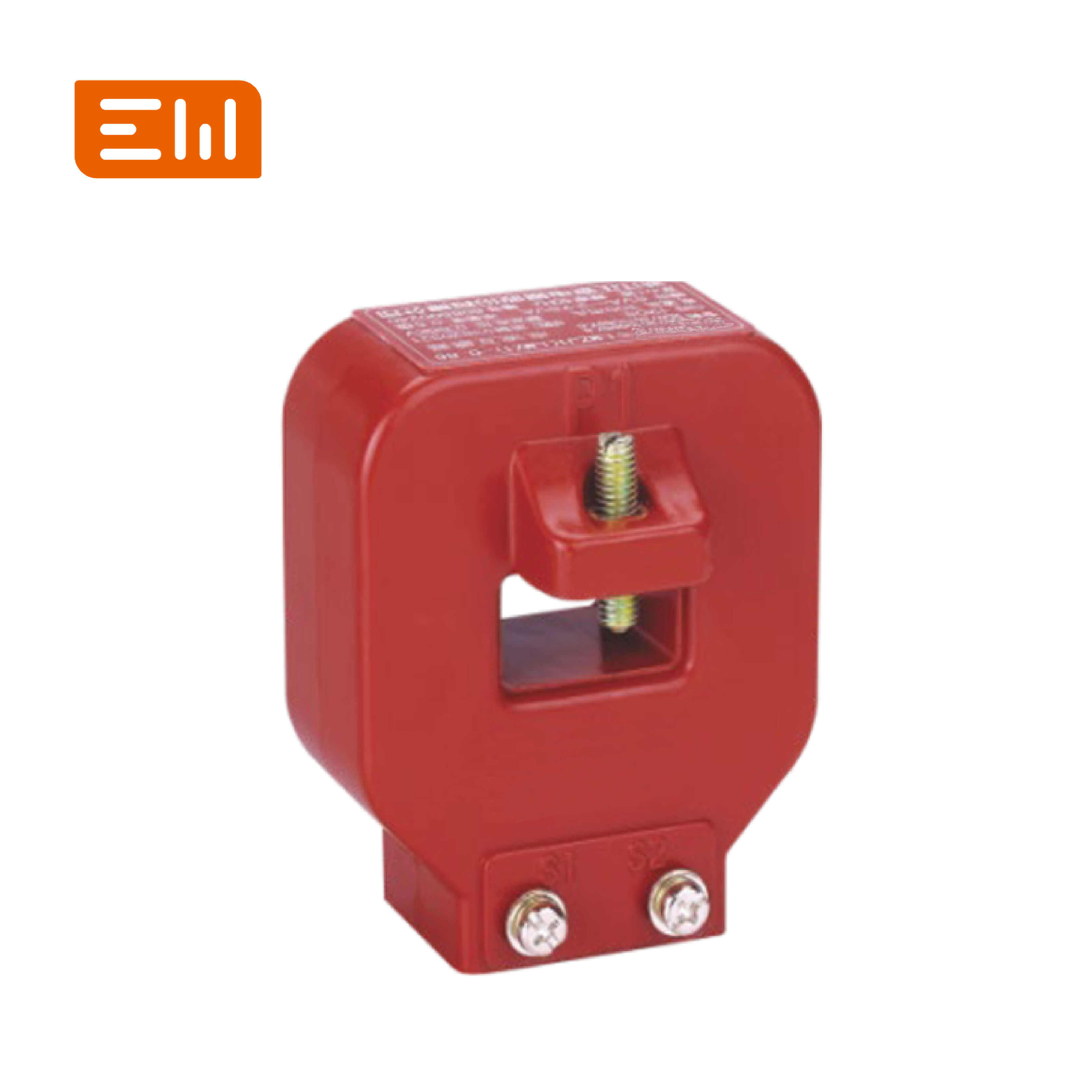
How to Size a Current Transformer Ratio: A Practical Step-by-Step Method
Choosing the right CT ratio sounds simple, but “bigger is safer” is often wrong. An over-sized CT ratio can reduce measurement resolution and compromise relay sensitivity. An under-sized CT ratio can overload the CT or drive it toward saturation under faults.
This step-by-step method helps you select a CT ratio that fits both metering and protection needs.
Step 1: Define the Application (Metering, Protection, or Both)
Start by clarifying what the CT secondary will feed:
- Metering: energy meters, power meters, monitoring systems.
- Protection: overcurrent, earth fault, differential relays.
- Combined: separate cores or separate CTs may be required to meet both accuracy and saturation requirements.
Step 2: Estimate Normal Load Current
Use the expected operating range, not only nameplate ratings. Consider:
- Average load: typical operating current.
- Peak load: maximum sustained load current.
- Growth margin: planned expansion.
For metering accuracy, you want normal operation to fall in a meaningful portion of the CT range, not near the bottom.
Step 3: Determine Maximum Continuous Current
Account for possible continuous overload scenarios if applicable. Confirm:
- Conductor/busbar thermal limits
- Transformer and feeder ratings
- Operating procedures (e.g., N-1 contingency)
Step 4: Evaluate Fault Current and Protection Requirements
Protection CT ratio selection also depends on the fault level and relay settings. If the system fault current is high, the CT must maintain acceptable performance without saturating too early.
Coordinate with the protection study: relay pickup, time curves, and any differential requirements.
Step 5: Choose Secondary Rating (1A or 5A)
Secondary rating affects wiring burden. For long runs, 1A is often preferred to reduce burden and improve accuracy. For legacy systems, 5A may be required to match installed relays or meters.
Step 6: Check Burden and Accuracy Class
Calculate total burden (devices + wiring). Then ensure the CT’s rated burden and class match:
- Metering accuracy class: choose based on measurement needs.
- Protection class/performance: choose based on relay needs and fault level.
If the actual burden exceeds the CT rating, the CT can fall outside its specified performance.
Step 7: Sanity Check with Typical Ratios
After you pick a ratio, check these practical questions:
- Will normal load produce stable readings? If not, ratio may be too large.
- Will peak load risk overheating? If yes, ratio may be too small or CT thermal rating is insufficient.
- Will fault current drive saturation early? If yes, protection CT performance may be insufficient.
Common CT Ratio Mistakes
- Oversizing ratio: low measurement resolution and reduced relay sensitivity.
- Ignoring wiring burden: leads to accuracy loss and early saturation.
- Using one CT for everything: metering and protection may need different cores or CT designs.
- Not aligning with protection settings: ratio and relay pickup mismatch.
Internal Links
CT category: Current Transformers.
VT category for complete metering/protection sets: Voltage Transformers.
Conclusion
CT ratio selection is a balance between normal-load measurement quality and fault-current protection needs. Start from the application and load data, then verify burden and protection performance against real installation conditions. That approach avoids both under-designed protection and low-quality measurement.
Image Suggestions
- Image: https://www.enweielectric.com/products/current-transformers
- ALT: "Current transformer ratio selection for metering and protection"
- Image: https://www.enweielectric.com/products/voltage-transformers
- ALT: "Voltage transformers used with CTs in MV metering panels"
Table of Contents
- How to Size a Current Transformer Ratio: A Practical Step-by-Step Method
- Step 1: Define the Application (Metering, Protection, or Both)
- Step 2: Estimate Normal Load Current
- Step 3: Determine Maximum Continuous Current
- Step 4: Evaluate Fault Current and Protection Requirements
- Step 5: Choose Secondary Rating (1A or 5A)
- Step 6: Check Burden and Accuracy Class
- Step 7: Sanity Check with Typical Ratios
- Common CT Ratio Mistakes
- Internal Links
- Conclusion
- Image Suggestions