
 EN
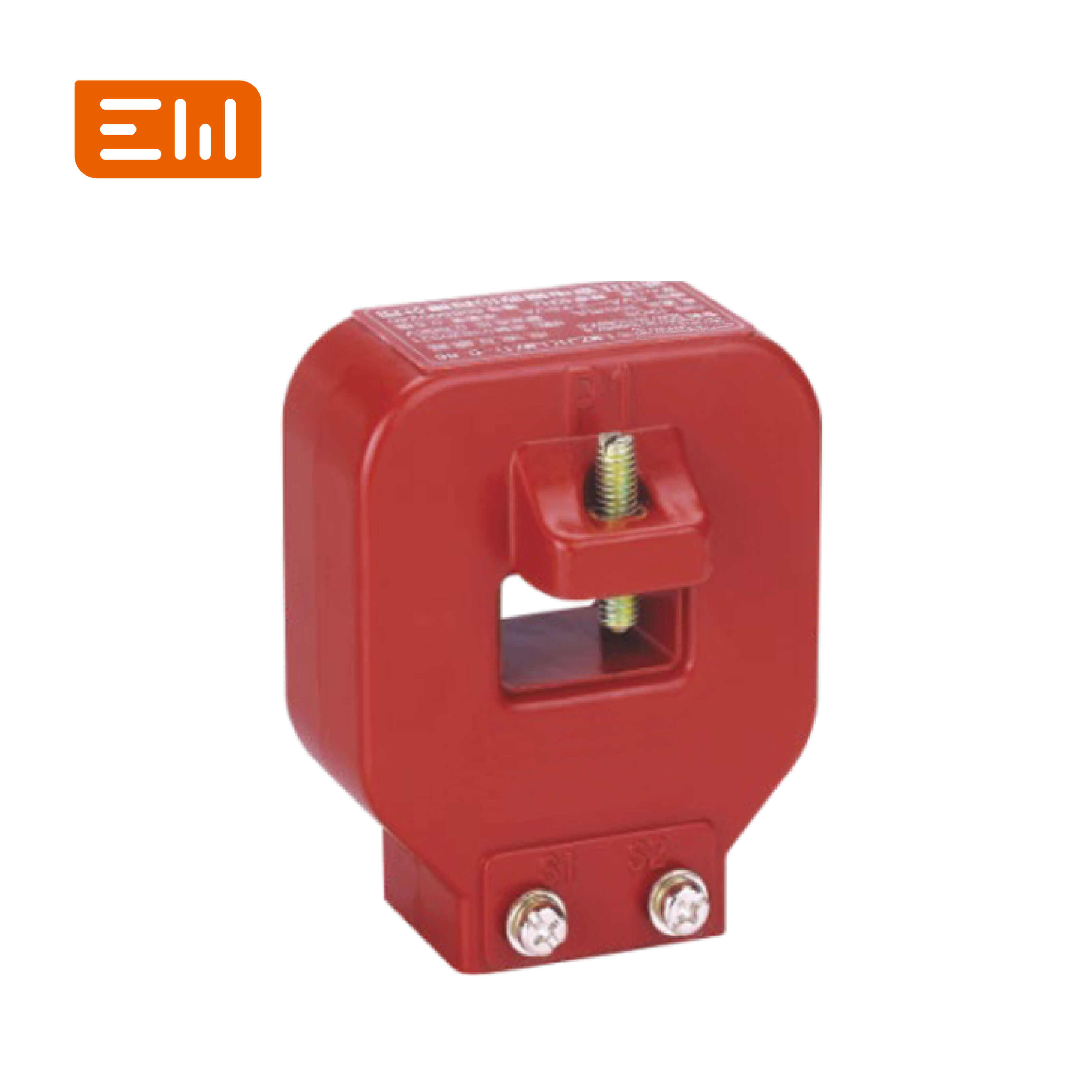
Current Transformer (CT) Types Explained: Bar, Wound, Window, and Split-Core
A current transformer (CT) is an instrument transformer used to step down high primary current to a standardized secondary current (commonly 5A or 1A) so that meters, protection relays, and monitoring devices can measure current safely.
CT performance depends heavily on the type and how it’s applied. This guide explains common CT types and gives a practical selection checklist.
How a Current Transformer Works (Quick Definition)
A CT uses electromagnetic induction. The primary conductor produces a magnetic flux in the CT core. The secondary winding produces a proportional current based on the turns ratio, enabling measurement and protection at safe levels.
CTs are designed to operate with their secondary circuit closed through a defined burden (meter/relay + wiring). CT secondary safety is critical and should be part of commissioning procedures.
1) Bar-Type Current Transformer
A bar-type CT uses a solid bar as the primary conductor (often part of the CT assembly). The primary effectively has one turn.
Typical applications: switchgear and busbar systems where robust primary current carrying capability is needed.
Pros: strong mechanical construction, good for high currents.
Considerations: physical integration with the busbar system and space constraints.
2) Wound-Type Current Transformer
A wound CT has a primary winding with multiple turns, similar to a conventional transformer, enabling higher accuracy at lower primary currents.
Typical applications: low current measurement, specialized metering or protection where a multiple-turn primary is useful.
Pros: can achieve desired ratios without relying on a single-turn primary.
Considerations: primary connection complexity and thermal limits.
3) Window (Toroidal) Current Transformer
A window CT (also called a toroidal CT) has no built-in primary conductor. The primary is the cable or busbar passing through the window, effectively one turn.
Typical applications: cable-based installations, retrofit metering, panel integration.
Pros: flexible installation when space allows the conductor to pass through.
Considerations: window size, cable routing, and ensuring the conductor is centered appropriately.
4) Split-Core Current Transformer
A split-core CT opens and clamps around an existing conductor, enabling installation without disconnecting the cable.
Typical applications: retrofit energy monitoring, temporary metering, maintenance-driven upgrades.
Pros: minimal downtime for installation.
Considerations: mechanical closure quality, installation torque, and the accuracy impact of air gaps.
Measuring CT vs Protection CT (Not a Physical “Type”, But a Key Choice)
Beyond physical construction, CTs are specified by application:
- Measuring CT: optimized for accuracy in normal load range.
- Protection CT: designed to avoid early saturation during fault currents, ensuring relays see accurate fault current.
Many specification mistakes happen when a measuring CT is used where a protection CT is required.
Selection Checklist: How to Choose the Right CT Type
- Primary current range: continuous and maximum expected.
- Secondary rating: 1A or 5A compatibility with relays/meters.
- Accuracy class: metering class vs protection class, based on use case.
- Burden: total VA of devices and wiring; ensure CT is rated for it.
- Installation constraints: retrofit vs new build; cable routing; window size.
- System fault level: affects protection CT saturation requirements.
Internal Link for Product Navigation
Explore Enwei Electric’s instrument transformer categories here: Current Transformers.
For MV distribution panels that integrate CTs: Switchgear.
Conclusion
CT “types” are really about installation and performance needs. Bar and window CTs fit switchgear and cable systems, wound CTs help where multiple-turn primaries are needed, and split-core CTs enable retrofit projects. Start from application (metering vs protection), then choose the construction that fits your installation constraints and accuracy requirements.
Image Suggestions
- Image: https://www.enweielectric.com/products/current-transformers
- ALT: "Current transformer types for metering and protection"
- Image: https://www.enweielectric.com/products/voltage-transformers
- ALT: "Instrument transformers used in MV measurement and protection"
Table of Contents
- Current Transformer (CT) Types Explained: Bar, Wound, Window, and Split-Core
- How a Current Transformer Works (Quick Definition)
- 1) Bar-Type Current Transformer
- 2) Wound-Type Current Transformer
- 3) Window (Toroidal) Current Transformer
- 4) Split-Core Current Transformer
- Measuring CT vs Protection CT (Not a Physical “Type”, But a Key Choice)
- Selection Checklist: How to Choose the Right CT Type
- Internal Link for Product Navigation
- Conclusion
- Image Suggestions