
 EN
EN
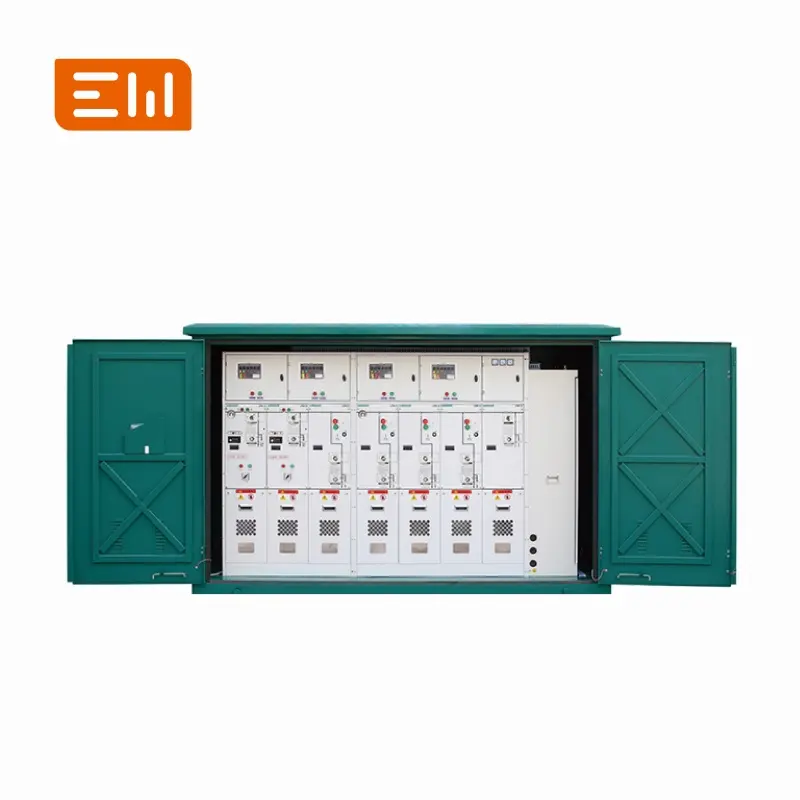
RMU Maintenance Checklist: Insulation, Interlocks, and Routine Tests
RMUs are built for reliable MV distribution with minimal routine attention, but “low maintenance” does not mean “no maintenance.” Condensation, cable interface degradation, mechanism wear, and interlock problems can accumulate silently and surface during a fault or switching event.
This checklist focuses on high-impact items that technicians can verify during scheduled inspections.
Safety First (Non-Negotiable)
RMU maintenance involves medium voltage hazards. Follow your local lockout/tagout procedures, confirm voltage absence with approved methods, and apply earthing per site rules. If you do not have qualified MV personnel, do not attempt RMU maintenance.
1) External Visual Inspection
- Enclosure condition: corrosion, paint damage, water ingress traces.
- Door seals and locks: integrity of gaskets and locking mechanism.
- Ventilation and heaters: verify anti-condensation heater operation where applicable.
- Labeling: feeder identification, warning labels, and operating instructions.
2) Cable Compartment Checks
- Termination condition: inspect separable connectors/bushings for contamination or tracking marks.
- Screen/earth connections: verify tightness and integrity of cable screen earthing.
- Moisture indicators: check for condensation signs and correct heater operation.
- Clearances: ensure no foreign objects and adequate spacing for safe operations.
3) Mechanism and Interlock Verification
Interlocks prevent unsafe operations. Verify:
- Switch position indication: open/closed/earthed indications are consistent.
- Mechanical operations: smooth manual operation without abnormal force.
- Key interlocks: keys and sequences follow the approved switching procedure.
- Padlocking points: functional for isolation and safety control.
4) Routine Electrical Tests (Per Site Practice)
Test scope depends on local standards and maintenance intervals. Typical checks include:
- Insulation resistance: verify insulation condition (trend results over time).
- Contact resistance: detect joint degradation or overheating risk.
- Functional tests: auxiliary circuits, motor operators, position feedback.
- Partial discharge screening: when justified for critical assets or after environmental incidents.
Use trending: one measurement is less useful than a consistent series over time.
5) Automation and Monitoring Checks
If the RMU supports SCADA or feeder automation:
- FPI verification: confirm indicators and reset methods work.
- Remote IO: position feedback, alarms, and control commands.
- Control power: verify battery/UPS or auxiliary supply health.
Common Early Warning Signs
- Condensation traces: recurring moisture signals a heater or sealing issue.
- Tracking marks: on insulation surfaces indicate contamination or stress.
- Stiff mechanism: may indicate lubrication loss, wear, or misalignment.
- Hot spots: connector overheating suggests contact resistance problems.
Internal Links
RMU product category for reference and configuration: Ring Main Units.
Related MV assemblies and panels: Switchgear.
Conclusion
A short, consistent RMU maintenance routine is one of the best ways to reduce outages in MV cable networks. Focus on cable interfaces, moisture control, interlocks, and trending electrical tests. Most serious failures show early signs if you look in the right places.
Image Suggestions
- Image: https://www.enweielectric.com/products/rmu
- ALT: "Ring main unit maintenance checks for MV distribution"
- Image: https://www.enweielectric.com/products/current-transformers
- ALT: "Instrument transformers used in RMU monitoring and protection"
Table of Contents
- RMU Maintenance Checklist: Insulation, Interlocks, and Routine Tests
- Safety First (Non-Negotiable)
- 1) External Visual Inspection
- 2) Cable Compartment Checks
- 3) Mechanism and Interlock Verification
- 4) Routine Electrical Tests (Per Site Practice)
- 5) Automation and Monitoring Checks
- Common Early Warning Signs
- Internal Links
- Conclusion
- Image Suggestions