
 EN
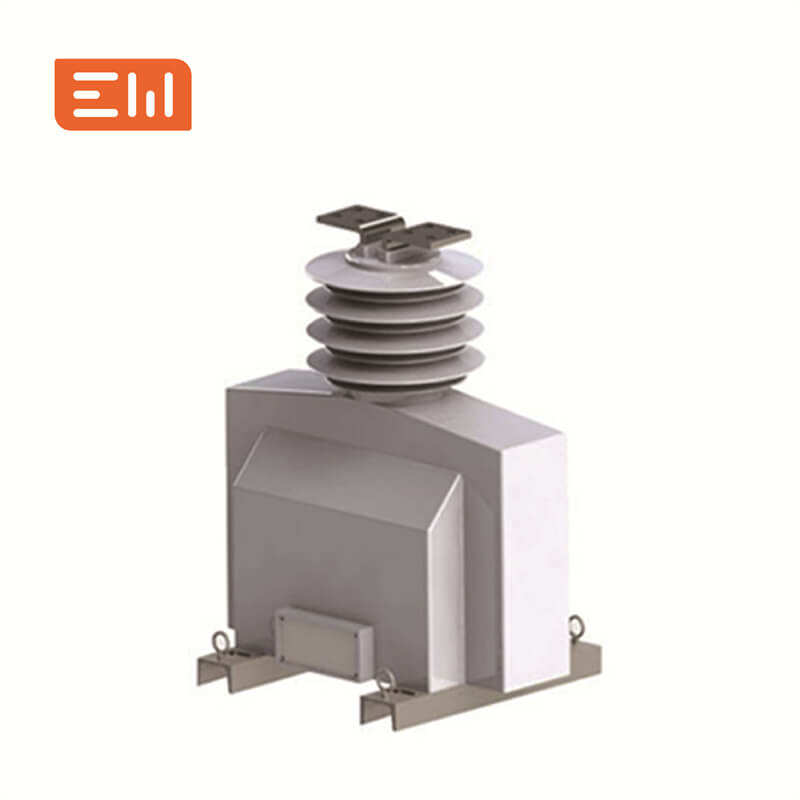
Split-Core Current Transformers: Selection, Installation, and Accuracy Tips
A split-core current transformer (sometimes called a clamp-on CT) opens and closes around an existing conductor. That makes it one of the fastest ways to add metering or monitoring without shutting down power or disconnecting cables.
However, split-core CT performance is sensitive to installation quality. This guide covers selection and field practices that protect accuracy and safety.
When Split-Core CTs Make Sense
- Retrofit metering: add energy monitoring on existing feeders.
- Short outage windows: limited time for modifications.
- Temporary measurement: troubleshooting or audit projects.
- Tight panels: where routing cables through a window CT is impractical.
Accuracy Tradeoffs: What Changes vs Solid-Core CTs
Split-core CTs can achieve good accuracy, but they are more sensitive to:
- Air gap at the core joint: imperfect closure increases magnetizing current and error.
- Mechanical alignment: dirt or burrs on mating surfaces can degrade performance.
- Conductor position: off-center positioning can affect measurement stability in some designs.
For high-accuracy revenue metering or demanding protection schemes, verify whether a split-core CT is appropriate, or consider solid-core CTs instead.
How to Select a Split-Core CT
Use this checklist when specifying split-core CTs:
- Primary current and ratio: choose a ratio that keeps normal load in the accurate range.
- Secondary output: 1A or 5A secondary to match your meter/relay, or a specific low-voltage output if the system requires it.
- Accuracy class: choose the right class for monitoring vs billing.
- Burden rating: confirm the CT supports the total burden (meter input + wiring).
- Window size: ensure fit around the conductor including insulation and any shielding.
- Installation environment: temperature, vibration, and enclosure type.
Installation Tips (Most Accuracy Is Won Here)
Follow these practices during installation:
- Clean mating surfaces: remove dust and debris before closing the core.
- Close fully and lock correctly: incomplete closure is a common cause of errors.
- Orient consistently: follow polarity marks to avoid reversed measurements.
- Secure the CT: avoid movement or vibration that could loosen the joint.
- Manage secondary wiring: keep runs neat, avoid unnecessary length, and verify terminal tightness.
Burden Planning: Don’t Ignore the Wiring
CT burden is not only the meter. Long wiring runs add resistance, increasing burden and potentially pushing the CT outside its accuracy performance.
To avoid issues, estimate burden early and choose a CT burden rating with margin. For retrofit systems, measure wiring length and consider using 1A secondaries where appropriate to reduce conductor size and losses.
Commissioning Checks
- Polarity: confirm the CT orientation matches the metering direction.
- Ratio verification: verify expected scaling in the monitoring system.
- Secondary connections: confirm terminals are tight and labeled.
- Safety: never open-circuit an energized CT secondary.
Internal Links
CT product category: Current Transformers.
VT category for complete metering sets: Voltage Transformers.
Conclusion
Split-core CTs are a powerful tool for retrofit metering and monitoring, but they demand good installation discipline. Choose the correct ratio and burden rating, install with clean mating surfaces and proper closure, and verify polarity and scaling during commissioning.
Image Suggestions
- Image: https://www.enweielectric.com/products/current-transformers
- ALT: "Split-core current transformer for retrofit energy monitoring"
- Image: https://www.enweielectric.com/products/low-voltage-switchgear
- ALT: "Low voltage panel using CTs for metering and protection"
Table of Contents
- Split-Core Current Transformers: Selection, Installation, and Accuracy Tips
- When Split-Core CTs Make Sense
- Accuracy Tradeoffs: What Changes vs Solid-Core CTs
- How to Select a Split-Core CT
- Installation Tips (Most Accuracy Is Won Here)
- Burden Planning: Don’t Ignore the Wiring
- Commissioning Checks
- Internal Links
- Conclusion
- Image Suggestions