
 EN
EN
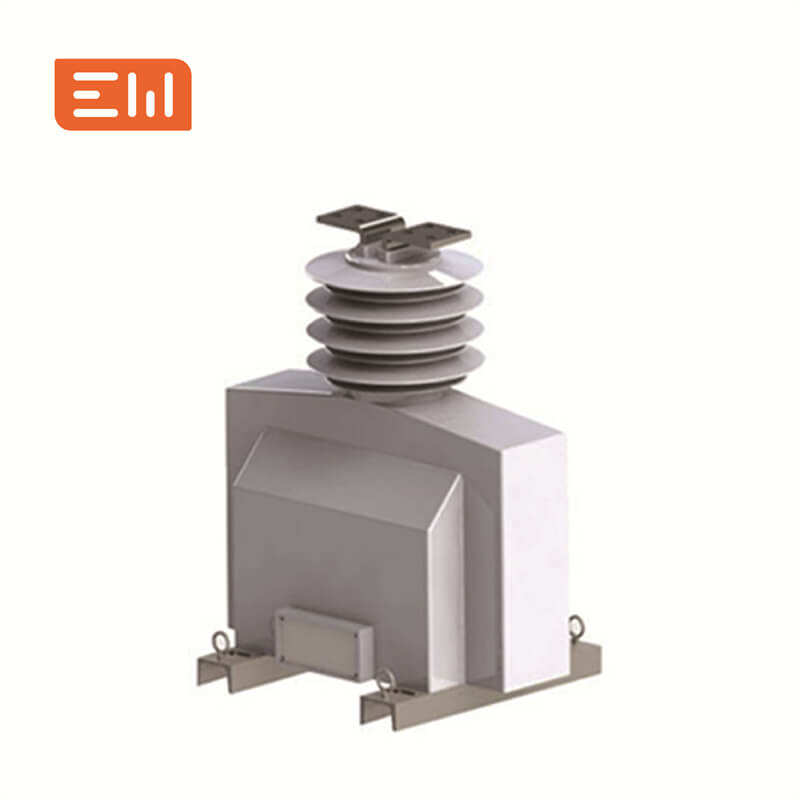
How to Specify VTs for Protection Relays
Protection relays use voltage inputs for functions like undervoltage/overvoltage, directional elements, synch-check, and power-based supervision. If a VT is mis-specified (ratio, accuracy, burden, or insulation), relay functions can become unreliable or misoperate.
This guide provides a practical checklist to specify VTs for protection relays in MV switchgear.
1) Define the System Voltage Class and Insulation Level
Start with the network nominal voltage and required insulation level (withstand and impulse). Do not rely on “11kV” naming alone; specify the actual insulation requirements used by the project.
2) Choose VT Ratio and Secondary Voltage
- select ratio based on system voltage and relay input requirements
- confirm secondary voltage (common standards vary by region)
- confirm single-phase vs three-phase arrangement and wiring needs
3) Select Accuracy Class and Burden
For protection relays, choose an accuracy class appropriate to relay functions and ensure VT burden rating covers relay inputs and wiring burden.
4) Define Fusing and Secondary Protection
Specify VT fusing and protection approach consistent with switchgear design and local standards. Ensure secondary isolation/test links are included if required by your commissioning procedure.
5) Confirm Wiring and Grounding Practices
Define secondary grounding and wiring practices per standard and panel design. Incorrect grounding can create measurement errors or safety issues.
Common Pitfalls
- VT burden underestimated due to wiring and additional devices
- wrong secondary voltage for relay inputs
- fusing/protection not aligned with switchgear design
- conflicting standards assumptions between documents
Internal Links
VT products: Voltage Transformers.
Switchgear where relays are installed: Switchgear.
Conclusion
VT specification for protection relays should be treated as part of the protection system design. If ratio, accuracy, burden, insulation level, and protection details are aligned with relay functions and commissioning practice, voltage-based relay elements will operate reliably.
Image Suggestions
- Image: https://www.enweielectric.com/products/voltage-transformers
- ALT: "Specifying voltage transformers for protection relays in MV panels"
- Image: https://www.enweielectric.com/products/switchgear
- ALT: "Protection relay panel with VT inputs and fusing design"
Table of Contents
- How to Specify VTs for Protection Relays
- 1) Define the System Voltage Class and Insulation Level
- 2) Choose VT Ratio and Secondary Voltage
- 3) Select Accuracy Class and Burden
- 4) Define Fusing and Secondary Protection
- 5) Confirm Wiring and Grounding Practices
- Common Pitfalls
- Internal Links
- Conclusion
- Image Suggestions