
 EN
EN
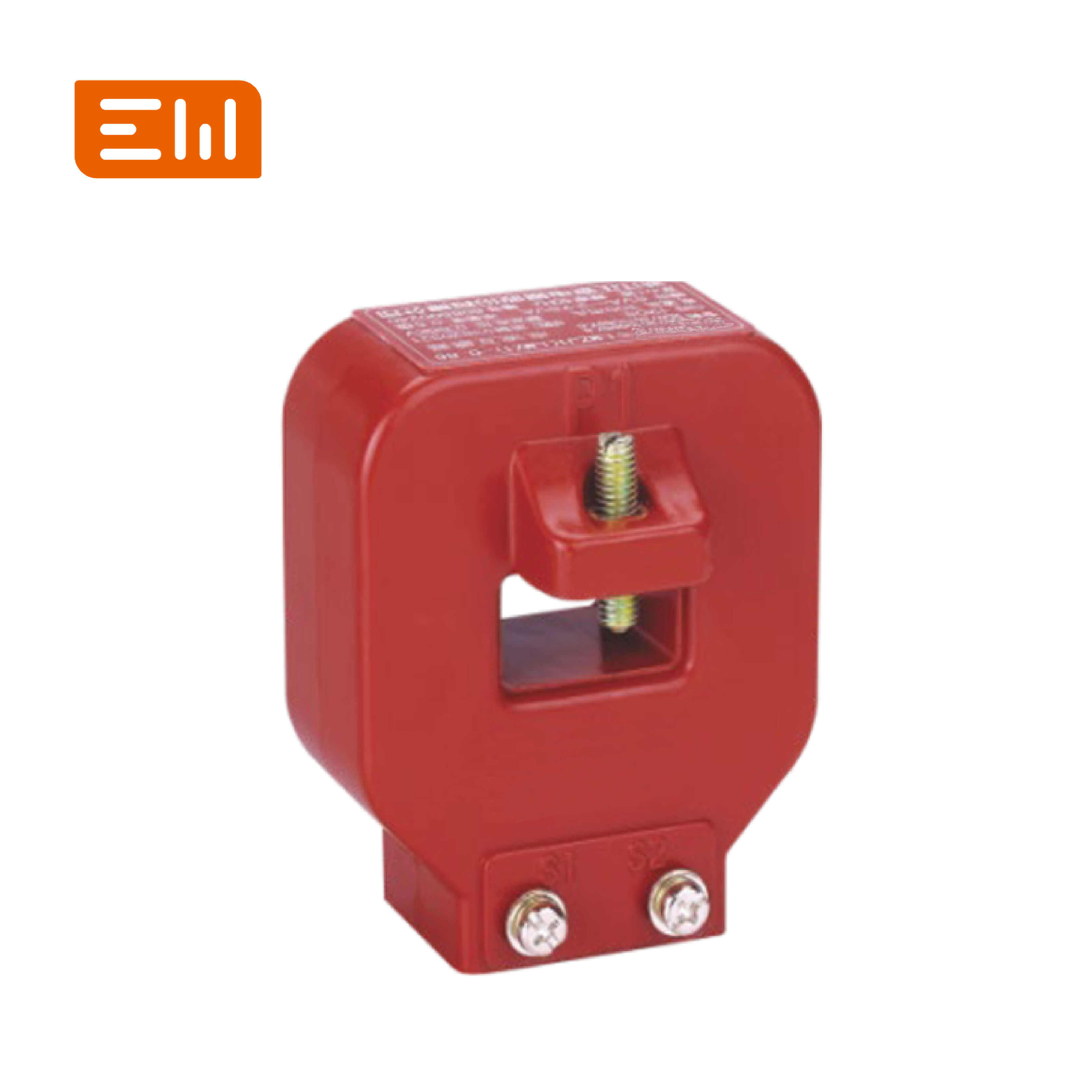
How to Troubleshoot CT Measurement Errors
CT measurement errors usually come from installation or configuration mismatches rather than CT “bad quality”. Wrong ratio selection, polarity mistakes, burden/wiring issues, and meter scaling errors are the most common causes.
This step-by-step checklist helps you isolate CT measurement errors quickly in MV and LV panels.
Step 1: Confirm the CT Ratio and Secondary Rating
- record CT nameplate ratio and compare with design documents
- verify the installed tap (for multi-ratio CTs)
- confirm 1A vs 5A secondary matches meter/relay expectations
Step 2: Verify Meter/Relay Scaling
Many “CT errors” are actually scaling errors. Verify:
- CT ratio configured in the meter/SCADA system
- phase mapping (A/B/C) is correct
- sign/direction conventions match the installation
Step 3: Check Polarity and Phase Association
Polarity errors can cause negative power readings, incorrect power factor, and directional issues. Confirm S1/S2 wiring and polarity marks match your wiring diagram and commissioning records.
Step 4: Inspect Burden and Wiring
High burden is a frequent hidden cause. Check:
- wiring length and conductor size
- added devices on the CT secondary loop
- terminal tightness and any hot spots
Step 5: Consider Saturation in High Current Conditions
If errors appear mainly at high currents or during faults, CT saturation may be involved. Confirm CT class and performance match the application (metering vs protection) and the network fault level.
Step 6: Confirm Secondary Circuit Safety and Integrity
- verify shorting links exist and are in correct position
- check for intermittent connections
- ensure CT secondary is never open-circuited when energized
Internal Links
CT products: Current Transformers.
Switchgear metering systems: Switchgear.
Conclusion
Most CT measurement errors are traceable to ratio/scaling, polarity, burden, or wiring quality. Start with nameplate verification and scaling, then check polarity and burden before assuming the CT itself is defective. A structured checklist saves time and avoids repeated field work.
Image Suggestions
- Image: https://www.enweielectric.com/products/current-transformers
- ALT: "Troubleshooting current transformer measurement errors in panels"
- Image: https://www.enweielectric.com/products/switchgear
- ALT: "Switchgear metering wiring and CT secondary terminal checks"
Table of Contents
- How to Troubleshoot CT Measurement Errors
- Step 1: Confirm the CT Ratio and Secondary Rating
- Step 2: Verify Meter/Relay Scaling
- Step 3: Check Polarity and Phase Association
- Step 4: Inspect Burden and Wiring
- Step 5: Consider Saturation in High Current Conditions
- Step 6: Confirm Secondary Circuit Safety and Integrity
- Internal Links
- Conclusion
- Image Suggestions