
 EN
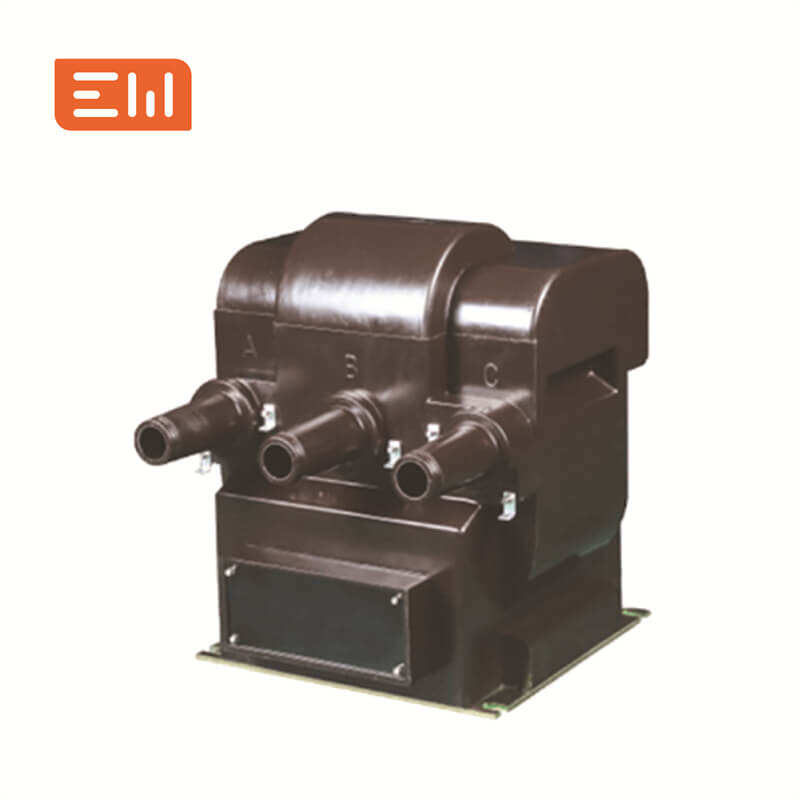
Measuring vs. Protection CTs: How to Specify the Right Class
Not all CTs are designed for the same job. A measuring CT prioritizes accuracy around normal load currents. A protection CT prioritizes dependable performance during faults, especially avoiding early saturation so relays can trip correctly.
This guide explains the difference and how to specify the right CT class for your application.
Measuring CT: What It’s Optimized For
Measuring CTs are designed to provide accurate current measurement under normal operating conditions. Typical use cases include energy meters, power meters, and monitoring systems.
Key focus items:
- metering accuracy class
- burden rating that covers meter + wiring
- ratio selection for good resolution at normal load
Protection CT: What It’s Optimized For
Protection CTs are designed to provide reliable secondary current signals during high fault currents. The core must support the relay scheme without saturating too early.
Key focus items:
- protection class and performance requirements
- fault level and DC offset considerations
- burden planning (wiring + relay inputs)
Why Using the Wrong CT Causes Real Problems
- Measuring CT used for protection: can saturate early, causing relays to under-read fault current.
- Protection CT used for metering: may not provide the best accuracy where it matters for billing.
In many designs, separate cores or separate CTs are used to meet both objectives.
Specification Checklist
- Define application: metering, protection, or both
- Provide load range: average and peak load current
- Provide fault level: at the measurement point (for protection CT selection)
- Define secondary: 1A or 5A based on wiring and installed relays
- Calculate burden: include wiring and devices
- Confirm cores: separate cores for metering and protection if required
Internal Links
CT category: Current Transformers.
VT category for complete protection/metering sets: Voltage Transformers.
Conclusion
Measuring CTs and protection CTs are designed for different operating conditions. Start with the application, then choose class, ratio, and burden rating accordingly. When in doubt, separate metering and protection cores to avoid performance compromises.
Image Suggestions
- Image: https://www.enweielectric.com/products/current-transformers
- ALT: "Measuring CT and protection CT selection for metering and relays"
- Image: https://www.enweielectric.com/products/switchgear
- ALT: "MV switchgear protection cubicle using CTs for relays"