
 EN
EN
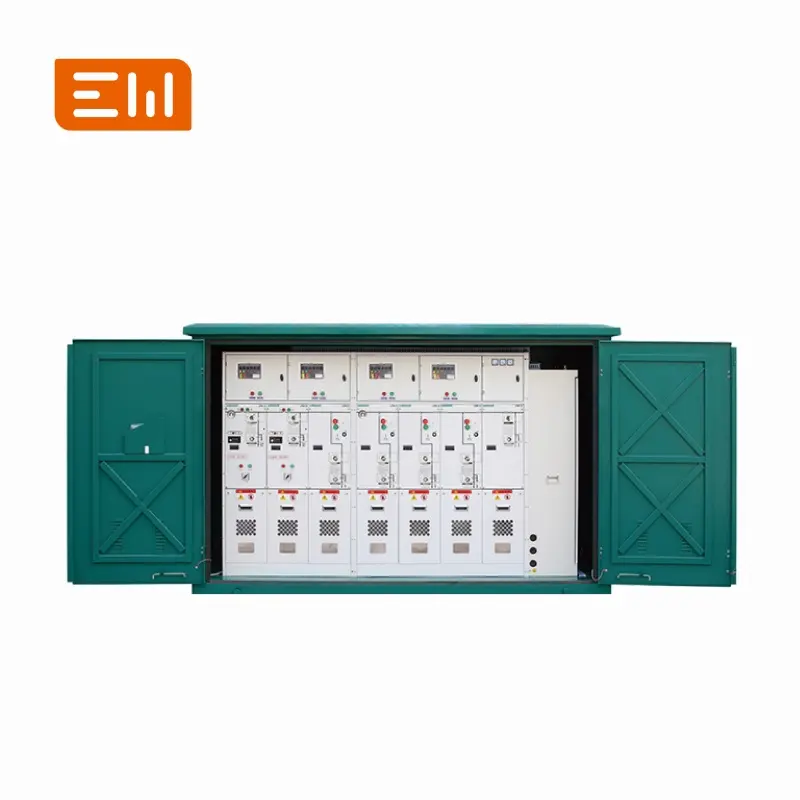
RMU Arc Resistance and Internal Fault Containment: Practical Considerations
Internal arc faults are low-probability but high-consequence events in MV switchgear. In RMUs installed in kiosks or public areas, internal arc containment requirements can be a key safety driver.
This guide explains internal arc considerations for RMUs in practical terms: what to specify, where requirements come from, and how installation choices affect the real safety outcome.
What Is an Internal Arc Fault?
An internal arc fault occurs when insulation fails and an arc forms inside the switchgear. The arc produces intense heat and pressure and can eject hot gases. Internal arc containment designs aim to protect operators and nearby people by controlling how the pressure is relieved and where gases are vented.
Why RMU Installations Need Special Attention
RMUs are often installed:
- in outdoor kiosks near roads and sidewalks
- inside compact substations with limited space
- in industrial yards with frequent access
Because of location and enclosure constraints, you must ensure that any internal arc venting strategy is compatible with the installation environment.
What “Arc Resistant” Means (Practically)
“Arc resistant” is not a universal guarantee. Practical questions to ask include:
- Where does the arc energy go? venting direction and pressure relief paths
- Which compartments are covered? cable compartment vs main tank vs low-voltage compartment
- What fault current and duration? the rated internal arc withstand must match your system assumptions
- What accessibility type? front/rear/side accessibility classifications if referenced
Specification Items to Include
- Internal arc requirement: fault current level and duration (if required by project)
- Installation constraints: kiosk clearances, nearby public access, vent direction restrictions
- Cable compartment access rules: interlocks and safe access procedures
- Pressure relief features: and whether they are field-serviceable after operation
What Evidence to Request from Suppliers
Ask for documentation aligned with your tender requirements:
- type test evidence for internal arc where applicable
- drawings showing pressure relief and venting paths
- installation guidelines for safe venting clearance
- maintenance and replacement guidance after an internal fault event
Installation Reality: Clearance and Venting
Even a well-designed arc containment system can be compromised by poor installation. Ensure:
- required clearances around vents are maintained
- kiosk placement does not vent toward walkways or operators
- foundation design avoids water ingress that increases insulation risk
Internal Links
RMU product category: Ring Main Units.
Arc-resistant MV assemblies and related content: Switchgear.
Conclusion
Internal arc containment is a system-level safety requirement: design + test evidence + correct installation. If your project requires arc resistance, specify fault duty, compartment scope, and installation constraints clearly, and verify venting behavior matches the site layout.
Image Suggestions
- Image: https://www.enweielectric.com/products/rmu
- ALT: "RMU design considerations for internal arc fault containment"
- Image: https://www.enweielectric.com/products/switchgear
- ALT: "Arc-resistant medium voltage switchgear safety features"
Table of Contents
- RMU Arc Resistance and Internal Fault Containment: Practical Considerations
- What Is an Internal Arc Fault?
- Why RMU Installations Need Special Attention
- What “Arc Resistant” Means (Practically)
- Specification Items to Include
- What Evidence to Request from Suppliers
- Installation Reality: Clearance and Venting
- Internal Links
- Conclusion
- Image Suggestions