
 EN
EN
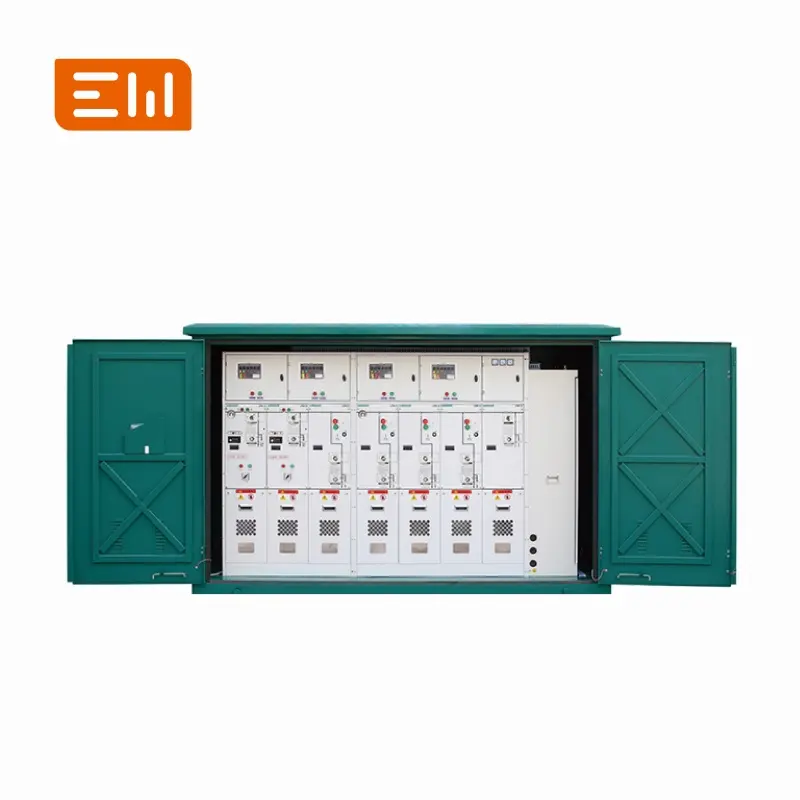
RMU Fault Indicators and SCADA Integration: What to Specify
RMUs are often installed across wide MV cable networks. When a fault occurs, the fastest restoration depends on two things: quickly locating the faulted section and remotely switching to restore supply. That is why fault passage indicators (FPI) and SCADA integration are now common requirements in RMU tenders.
This guide explains what to specify so “SCADA-ready RMU” becomes a measurable, testable deliverable instead of a vague promise.
What an FPI Does in a Ring Network
A fault passage indicator detects fault current or transient events on a feeder and indicates that a fault has passed a given point. In a network with many kiosks, FPIs reduce fault location time by narrowing the search area.
FPI systems may provide local indication (flags/LED) and remote status signals to an RTU/SCADA system.
RMU Automation Building Blocks
Automation is typically a combination of:
- FPI sensors: current/voltage sensors or CT-based detection methods.
- Motorized switching: motor operators on LBS ways or breaker ways.
- RTU/Controller: collects signals, drives controls, and communicates with SCADA.
- Communications: fiber, cellular, radio, or wired Ethernet/serial depending on network.
What to Specify: The IO List
The IO list is where many projects fail. Define at minimum:
- Indications: switch position (open/closed), earthing position, door/alarm contacts.
- Fault indications: phase fault, earth fault, pickup status, reset status (as applicable).
- Control commands: open/close for motorized ways, remote inhibit, reset command.
- Health signals: control power low, battery low, communications status.
If you do not define IO, suppliers will assume different points and integration will require field changes.
Control Power Strategy
RMU automation requires reliable control power. Specify:
- Control voltage: DC or AC, and acceptable range.
- Source: station service, local transformer, solar/battery, or UPS.
- Battery autonomy: target hours of operation during outages (if required).
- Environmental rating: temperature range for batteries and electronics in kiosks.
Communications and Protocols
Define communications assumptions early:
- Physical medium: fiber, copper, cellular, radio.
- Protocols: project-defined protocols and addressing requirements.
- Cybersecurity expectations: access control, logging, and update strategy if required by utility rules.
Commissioning and Acceptance Tests
Include a commissioning test scope that verifies:
- Local switching: safe interlocking and correct indications.
- Remote control: SCADA open/close commands work and fail safely.
- FPI behavior: fault detection thresholds and reset process are defined and tested.
- Signal mapping: IO points in SCADA match physical signals.
Internal Links
RMU category page: Ring Main Units.
Related MV distribution panels: Switchgear.
Conclusion
RMU automation succeeds when requirements are explicit: IO list, control power strategy, communications, and commissioning tests. If those items are defined in the tender, the delivered RMU will integrate with SCADA with far fewer field modifications and much faster restoration during faults.
Image Suggestions
- Image: https://www.enweielectric.com/products/rmu
- ALT: "Automation-ready RMU with fault indicators and remote control"
- Image: https://www.enweielectric.com/products/switchgear
- ALT: "Medium voltage switchgear monitoring and SCADA integration"