
 EN
EN
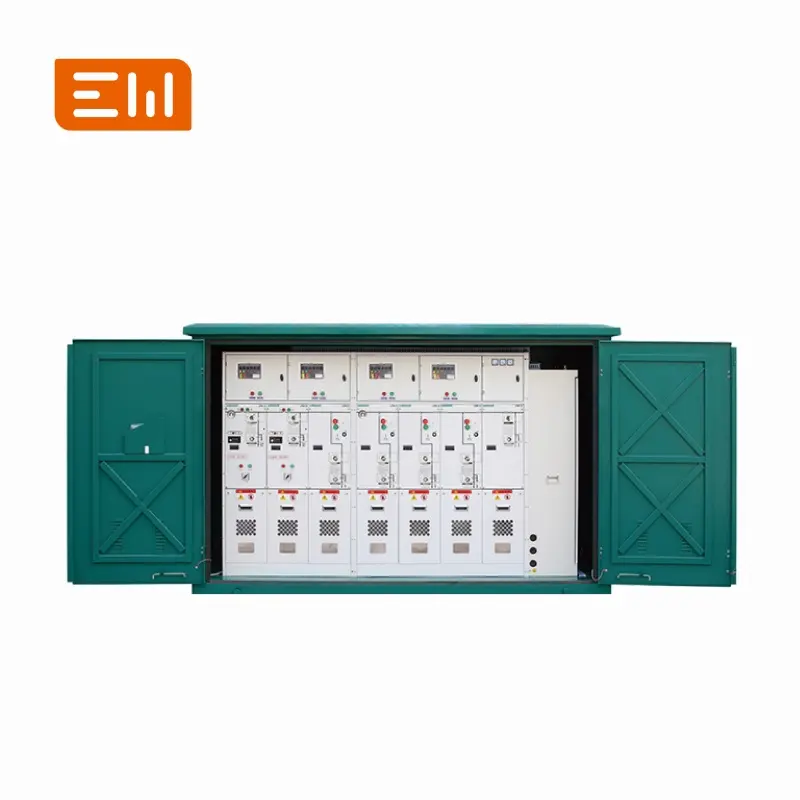
RMU CT/VT Metering Modules: What You Need for Accurate Billing
When an RMU includes a metering module, CT and VT selection becomes a revenue topic, not just an engineering detail. Accuracy class, burden planning, and commissioning discipline determine whether measurements are reliable over the long term.
This guide explains what you need to specify for RMU CT/VT metering modules used for MV measurement and billing.
What a Metering Module Typically Includes
An RMU metering module may include:
- metering CTs (often dedicated cores)
- VTs or a voltage measurement interface depending on design
- meter wiring and terminal blocks
- test links and shorting facilities for safe testing
The design must match your metering standards and utility requirements.
CT Selection for Billing
For billing metering, focus on:
- ratio: aligned with expected load range so normal current is measured accurately
- metering accuracy class: per your billing requirements
- burden rating: must cover the meter and wiring burden with margin
- separate cores: avoid mixing protection and billing measurement needs in one core
VT Selection for Billing
VTs must be specified by:
- primary voltage class and insulation level
- secondary voltage required by your metering system
- accuracy class and burden
- fusing and secondary protection approach per standards
Burden Planning: The Hidden Source of Errors
Wiring length and conductor size contribute to burden. If the actual burden exceeds the CT/VT rating, accuracy suffers. For long secondary runs, consider designs that minimize wiring length or use appropriate secondary ratings based on project standards.
Commissioning Requirements
For metering modules, require commissioning steps that verify:
- CT polarity and ratio
- VT ratio and phasing
- meter scaling and direction
- test links and shorting blocks function properly
RFQ Checklist
- Define: billing standard and required accuracy class
- Provide: expected load range and maximum current
- Specify: CT ratio, class, burden, and whether separate cores are needed
- Specify: VT ratio, class, burden, and mounting constraints
- Require: test links, shorting facilities, and commissioning documentation
Internal Links
CT category: Current Transformers.
VT category: Voltage Transformers.
RMU category: Ring Main Units.
Conclusion
Accurate MV billing measurement depends on correct CT/VT specification and burden planning, plus disciplined commissioning. Treat RMU metering modules as a complete measurement system and define the metering requirements in the tender so suppliers can propose a consistent, compliant module.
Image Suggestions
- Image: https://www.enweielectric.com/products/current-transformers
- ALT: "Metering CTs used in RMU metering modules for billing accuracy"
- Image: https://www.enweielectric.com/products/voltage-transformers
- ALT: "Voltage transformers used for MV metering and billing measurement"