
 EN
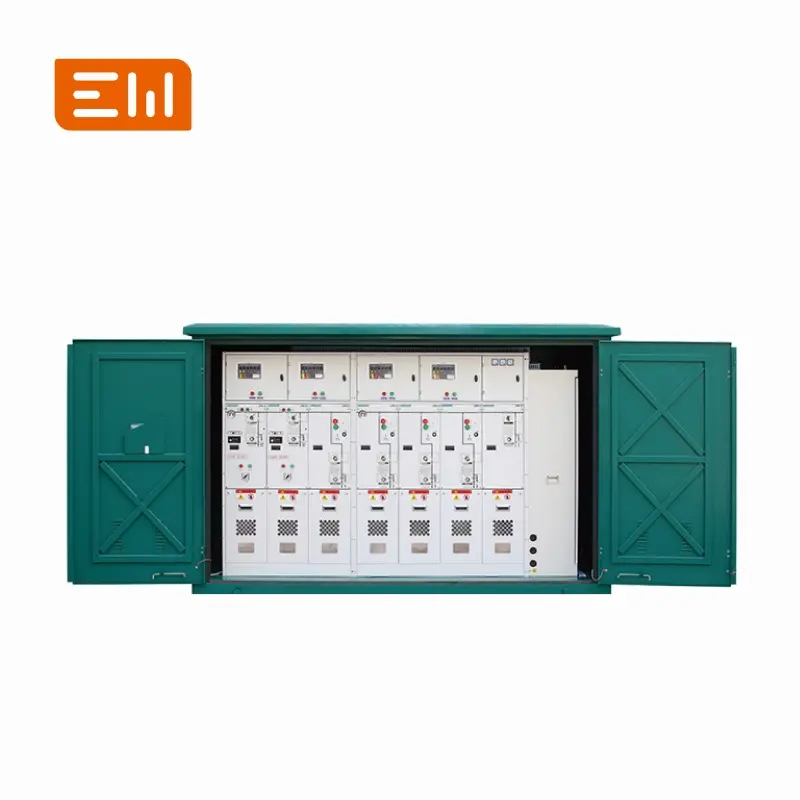
RMU Common Failures and Troubleshooting: Moisture, Partial Discharge, and Mechanisms
RMUs are designed for dependable MV distribution, but real-world conditions create repeatable failure patterns. The highest-frequency problems are not dramatic short circuits. They are moisture and contamination, cable interface degradation, and mechanism issues that build up over time.
This guide summarizes common RMU failure modes and a practical troubleshooting approach.
1) Moisture and Condensation Problems
Symptoms: recurring alarms, visible condensation, tracking marks, corrosion in cable compartments.
Root causes: failed heaters, poor sealing at cable entry, foundation water ingress, high humidity and temperature cycles.
Actions: verify heater operation, reseal entries, improve drainage, clean contamination, and consider environmental upgrades for the kiosk.
2) Partial Discharge (PD) Indicators
Symptoms: insulation degradation signals, unusual noise (in some cases), repeated insulation test deterioration, or PD test indications in critical assets.
Root causes: contamination + moisture, improper terminations, insulation defects, stress concentration at interfaces.
Actions: inspect terminations, verify interface compatibility, improve cleanliness controls, and escalate to detailed diagnostics if PD is suspected.
3) Cable Interface and Termination Issues
Symptoms: hot spots at connectors, visible tracking, repeated failures after rain events, or abnormal insulation readings.
Root causes: incorrect connector system, improper torque, damaged insulation during installation, insufficient compartment clearance.
Actions: verify connector fit, redo termination with correct procedures, ensure sealing integrity, and validate earthing/screen connections.
4) Switching Mechanism Problems
Symptoms: stiff operation, incomplete switching, unreliable position indication, motor operator failures.
Root causes: wear, lack of lubrication, alignment issues, environmental corrosion, control power problems.
Actions: follow manufacturer maintenance guidance, verify interlocks, test motor operator logic, and confirm control power and feedback wiring.
5) Indication and Interlock Misbehavior
Symptoms: mismatch between physical position and indication, interlock keys not working as expected.
Root causes: installation errors, auxiliary contact issues, incorrect wiring, mechanism wear.
Actions: functional test interlocks, verify wiring, correct labeling, and document safe operating procedures.
Troubleshooting Workflow (Simple)
- Start with environment: moisture, sealing, and heater function.
- Check interfaces: terminations and earthing/screen connections.
- Verify mechanisms: smooth operation and correct indications.
- Trend tests: insulation resistance and contact resistance over time.
- Escalate diagnostics: when PD or internal insulation defects are suspected.
Internal Links
RMU category: Ring Main Units.
MV switchgear category: Switchgear.
Conclusion
RMU troubleshooting is often about catching slow-developing issues early: condensation, interface degradation, and mechanism wear. A consistent inspection routine and clear documentation reduce both outages and emergency repairs. If you share your environment conditions and failure symptoms, troubleshooting can be narrowed quickly.
Image Suggestions
- Image: https://www.enweielectric.com/products/rmu
- ALT: "RMU troubleshooting for moisture, partial discharge, and mechanism issues"
- Image: https://www.enweielectric.com/products/current-transformers
- ALT: "Instrument transformer monitoring used in MV diagnostics"
Table of Contents
- RMU Common Failures and Troubleshooting: Moisture, Partial Discharge, and Mechanisms
- 1) Moisture and Condensation Problems
- 2) Partial Discharge (PD) Indicators
- 3) Cable Interface and Termination Issues
- 4) Switching Mechanism Problems
- 5) Indication and Interlock Misbehavior
- Troubleshooting Workflow (Simple)
- Internal Links
- Conclusion
- Image Suggestions