
 EN
EN
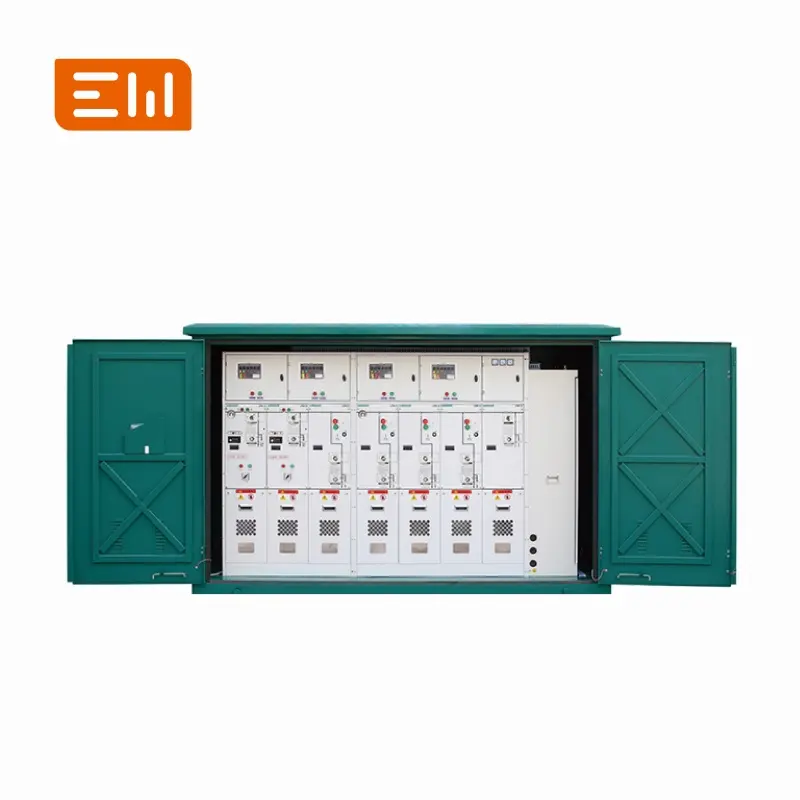
SF6 RMU vs. Vacuum/Solid Insulation: Environmental, Safety, and Lifecycle Tradeoffs
Utilities and industrial owners increasingly ask for SF6-free RMUs due to environmental targets and evolving regulation. At the same time, SF6 RMUs remain widely deployed because they are compact and proven in MV distribution.
This article compares SF6 RMUs and common alternatives that rely on vacuum interruption and solid insulation, focusing on what changes in installation, operation, and lifecycle responsibility.
Why SF6 Was Popular in RMUs
SF6 has strong dielectric properties, enabling compact equipment with sealed compartments. In many designs, the sealed system reduces sensitivity to dust and humidity, which can improve reliability in harsh environments when sealing remains intact.
What “SF6-Free” Usually Means in Practice
Most SF6-free RMU approaches combine:
- Vacuum interruption: for switching and fault interruption (depending on feeder type).
- Solid insulation: encapsulation or insulation barriers to manage electric field stress.
- Air insulation: sometimes used in parts of the design with larger clearances.
Because designs vary, you should evaluate the specific construction and test evidence, not only the label.
Environmental and Compliance Considerations
If a project uses SF6, you may need to plan for:
- Gas inventory management: tracking quantity and assets.
- Leak monitoring: inspection and reporting requirements.
- End-of-life recovery: proper handling and disposal of gas.
SF6-free designs can reduce those obligations, but still require strong insulation design, moisture control, and proper commissioning.
Safety and Reliability: Focus on Failure Modes
Instead of comparing technologies abstractly, focus on likely failure modes in your environment:
- Condensation: kiosk environments may need heaters and good sealing regardless of insulation medium.
- Cable interface issues: separable connectors and terminations are critical for both designs.
- Mechanism wear: switching endurance and position feedback quality matter for operations.
- Internal faults: pressure relief and internal arc behavior must be verified for the intended installation.
Lifecycle Cost: What to Compare
When evaluating SF6 vs SF6-free RMUs, compare lifecycle cost items that actually hit budgets:
- Installation time: cable termination access and compartment layout.
- Planned maintenance: periodic checks and service requirements.
- Unplanned outage recovery: spare parts, replacement modules, and fault location speed.
- Compliance workload: reporting and end-of-life handling for SF6 assets.
Specification Items That Make Comparisons Fair
To compare proposals fairly, align on:
- Voltage class and insulation level
- Rated current and fault duty
- Internal arc classification (if required)
- IP rating and environment assumptions
- Protection and automation scope
- Interface standards for terminations and test points
Internal Links
For RMU configurations and options: Ring Main Units.
For related MV distribution panels: Switchgear.
Conclusion
SF6 RMUs and SF6-free alternatives can both deliver reliable MV distribution. The best choice depends on your compliance obligations, service capability, and environment-driven failure modes. If you align specifications and compare lifecycle responsibilities, you can select the RMU technology that fits your network strategy rather than chasing a label.
Image Suggestions
- Image: https://www.enweielectric.com/products/rmu
- ALT: "SF6 and SF6-free RMU options for medium voltage networks"
- Image: https://www.enweielectric.com/products/switchgear
- ALT: "Medium voltage switchgear solutions for distribution automation"
Table of Contents
- SF6 RMU vs. Vacuum/Solid Insulation: Environmental, Safety, and Lifecycle Tradeoffs
- Why SF6 Was Popular in RMUs
- What “SF6-Free” Usually Means in Practice
- Environmental and Compliance Considerations
- Safety and Reliability: Focus on Failure Modes
- Lifecycle Cost: What to Compare
- Specification Items That Make Comparisons Fair
- Internal Links
- Conclusion
- Image Suggestions