
 EN
EN
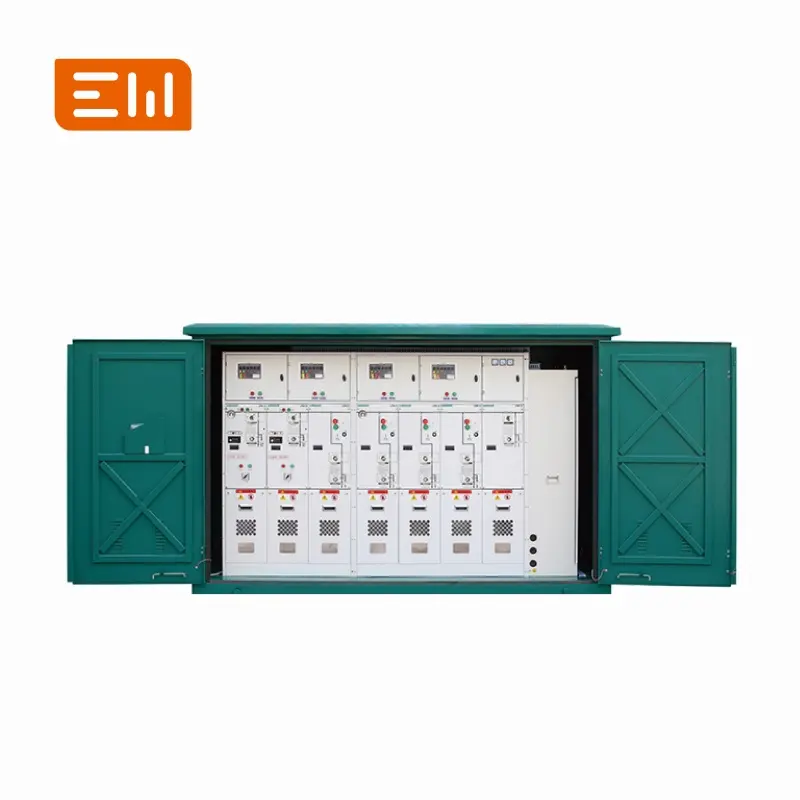
Load Break Switch (LBS) in RMU: Working Principle and Ratings
Most RMUs use load break switches (LBS) as the primary switching device for ring feeders. The LBS is designed to switch load currents safely and provide isolation in a compact form, supporting sectionalizing and service restoration in MV distribution networks.
This guide explains how an LBS works in an RMU and what to specify to ensure the ring ways match your network duty and safety procedures.
What a Load Break Switch Does (In an RMU)
An LBS is primarily a switching device for:
- Making and breaking normal load current
- Isolating a feeder for maintenance or fault sectionalizing
- Supporting safe earthing operations via coordinated earthing switches and interlocks
An LBS is not always intended to interrupt high fault current like a circuit breaker. That distinction is critical when specifying protection schemes.
Working Principle (High Level)
An LBS uses an arc control method appropriate to the switch design. The goal is controlled interruption of load current without damaging contacts and without requiring a full circuit breaker mechanism.
In RMUs, LBS ways are often paired with earthing switches and mechanical interlocks to ensure safe operation sequences.
Key Ratings for LBS Ways
When specifying an RMU with LBS ways, confirm:
- Rated voltage and insulation level
- Rated current of the LBS way (often 630A for ring feeders)
- Short-time withstand of the assembly
- Switching duties relevant to your operation (e.g., cable charging currents)
Switching duties can be a hidden mismatch if your network includes long cables or frequent switching operations.
How LBS Fits with Protection
In many RMUs, protection is achieved by:
- Fused switch feeder: for transformer protection
- Circuit breaker feeder: for relay-based protection on critical feeders
Ring LBS ways are usually used for switching and isolation, while fault clearing is achieved via upstream breakers, fuses, or dedicated breaker ways depending on the protection philosophy.
Motorization and Automation
Many utilities motorize LBS ways to support remote sectionalizing. If motorization is required, specify:
- which ways are motorized
- position feedback and limit switches
- manual override method
- control power and IO requirements
Procurement Checklist
- State: ring network topology and switching frequency expectations
- Define: voltage class, insulation level, and fault duty
- Confirm: LBS rated current and relevant switching duties
- Define: interlocks and earthing requirements
- Define: motorization/SCADA scope if required
Internal Links
RMU category page: Ring Main Units.
MV switchgear category: Switchgear.
Conclusion
The load break switch is the workhorse of RMU ring feeders. If you specify rated current, insulation level, switching duty expectations, and interlock requirements clearly, you will get an RMU that supports safe operations and reliable ring network sectionalizing.
Image Suggestions
- Image: https://www.enweielectric.com/products/rmu
- ALT: "Load break switch (LBS) functional unit inside an RMU"
- Image: https://www.enweielectric.com/products/switchgear
- ALT: "Medium voltage switching devices used in distribution networks"