
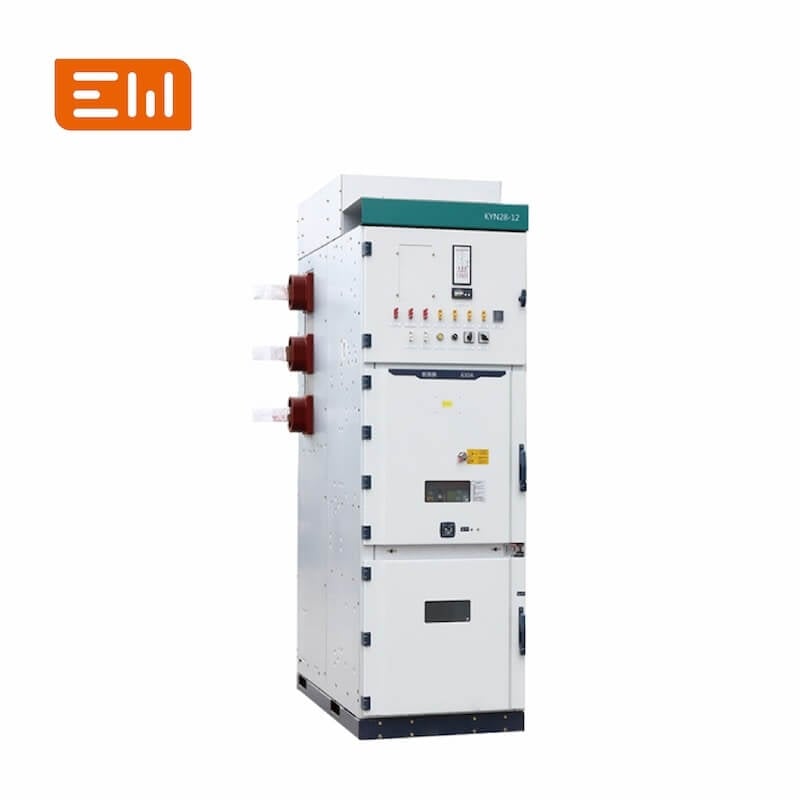
KYN Switchgear for Withdrawable VCB Panels: Structure and RFQ Details Quick Answer: KYN switchgear is used where withdrawable vacuum circuit breaker panels, clear compartments, and maintainable MV distribution are required. This article is written...
VIEW MORE
Medium Voltage Switchgear for Industrial Substations: Buyer Guide Quick Answer: Medium voltage switchgear controls, isolates, and protects industrial feeders before power reaches transformers or large loads. This article is written for engineers, ...
VIEW MORE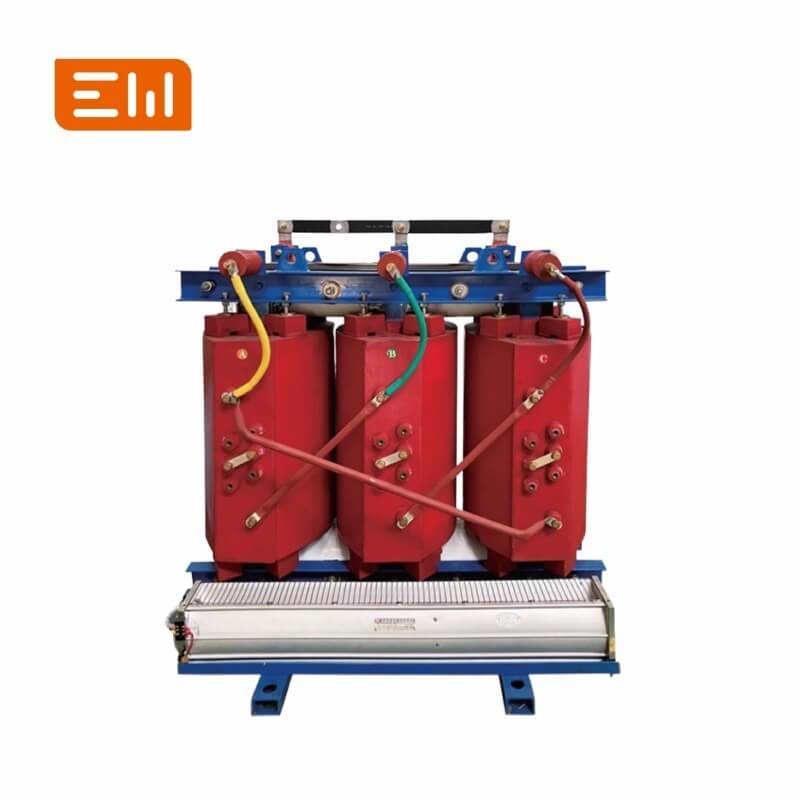
Transformer Core and Coil Assembly: Quality Checks Buyers Should Request Quick Answer: The core and coil assembly is the active part that determines much of a transformer's electrical performance, loss profile, and thermal behavior. This article i...
VIEW MORE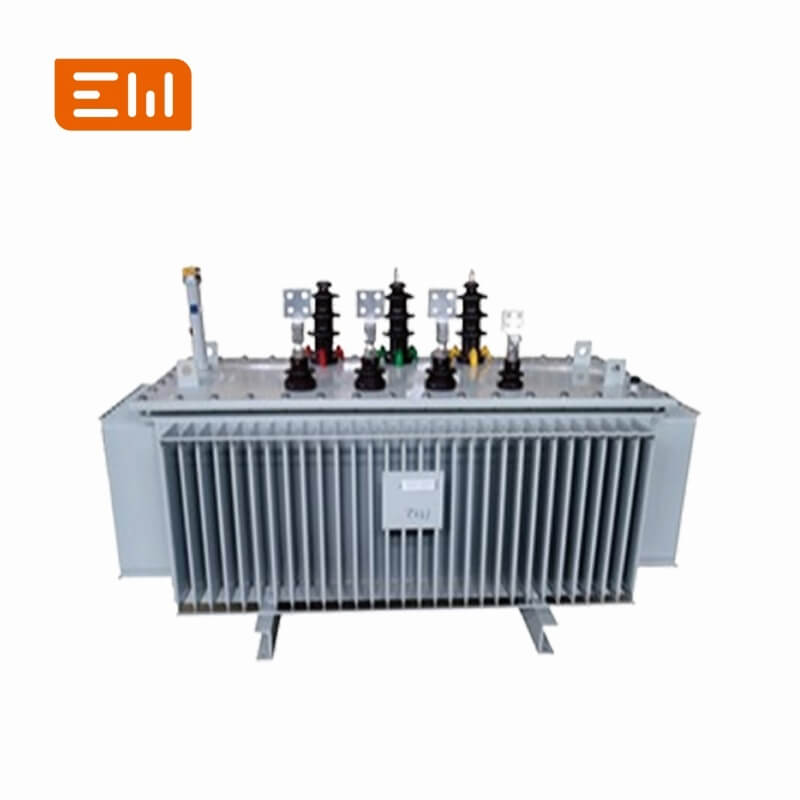
Transformer Bushing and Cable Box Design: Connection and Safety Checklist Quick Answer: Bushings and cable boxes provide the external electrical interface between a transformer and the site's MV or LV cable system. This article is written for engi...
VIEW MORE
Transformer Tank and Radiator Selection: Strength, Cooling, and Sealing Quick Answer: Transformer tanks hold the active part and insulating oil, while radiators support heat dissipation during continuous operation. This article is written for engi...
VIEW MORE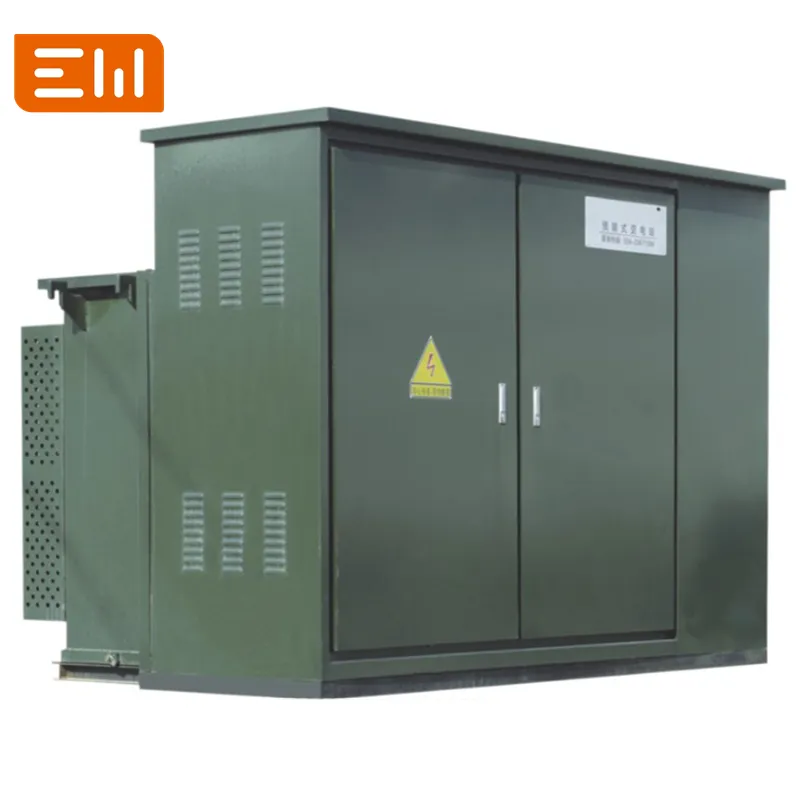
Prefabricated Substation for Renewable Energy Projects: Selection Guide Quick Answer: Prefabricated substations combine factory-assembled equipment with a defined site interface for faster renewable project deployment. This article is written for ...
VIEW MORE
Compact Substation for Factory Power Distribution: Specification Guide Quick Answer: Compact substations place transformation, switching, and low-voltage distribution close to factory loads to reduce interface complexity. This article is written f...
VIEW MORE
Pad-Mounted Transformer Substation Package: Transformer, RMU, and LV Panel Quick Answer: A pad-mounted substation integrates transformer, medium-voltage switching, and low-voltage distribution into a compact outdoor package. This article is writte...
VIEW MORE
Amorphous Alloy Transformer for Energy-Saving Projects: Buyer Checklist Quick Answer: Amorphous alloy transformers reduce no-load loss, which can matter when a transformer remains energized for long operating hours. This article is written for eng...
VIEW MORE
Cast Resin Transformer Selection Guide for Indoor Distribution Projects Quick Answer: Cast resin transformers encapsulate windings in resin to improve environmental protection for many indoor medium-to-low-voltage distribution tasks. This article ...
VIEW MORE
Dry Type Transformer for Commercial Buildings: Indoor Selection Guide Quick Answer: Dry type transformers support indoor low-voltage distribution where oil containment, maintenance access, and building safety matter. This article is written for en...
VIEW MORE
Oil-Immersed Transformer for Industrial Power Distribution: Selection Guide Quick Answer: Oil-immersed transformers step medium voltage down to usable distribution voltage for plants, substations, utilities, and heavy-load facilities. This article...
VIEW MORE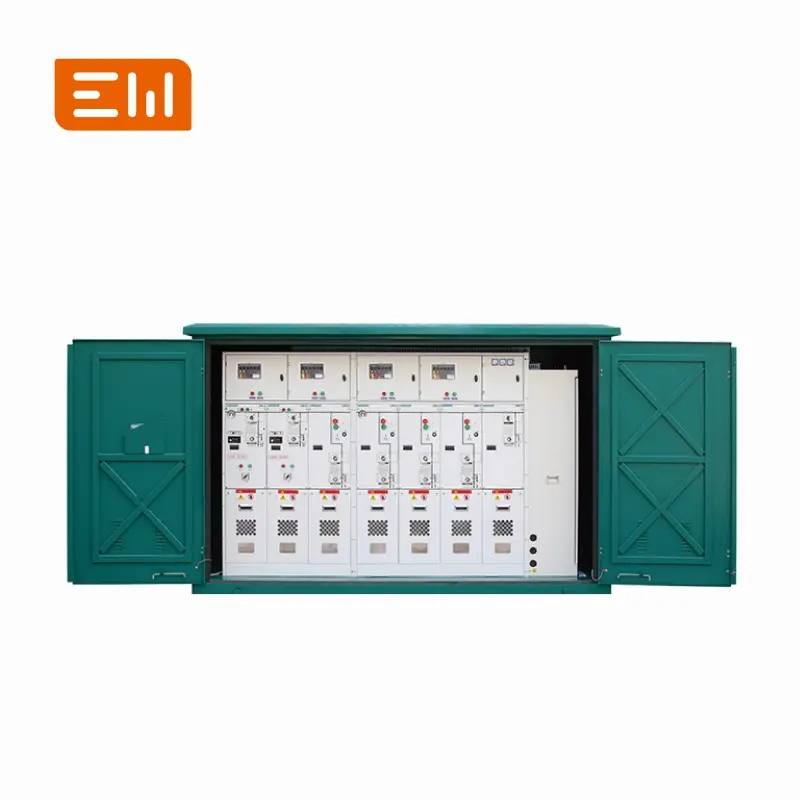
Ring Main Unit Guide: RMU Functions, Configurations, and Selection Tips Quick Answer: A ring main unit controls medium-voltage ring circuits and transformer feeders in compact distribution networks. This guide is written for engineers, EPC teams, ...
VIEW MORE
Transformer K Factor Guide: How Harmonics Affect Transformer Selection Quick Answer: Transformer K factor is used to evaluate how harmonic currents increase heating compared with a purely sinusoidal load. This guide is written for engineers, EPC t...
VIEW MORE
Transformer K Rating Guide: Harmonics, Heating, and Selection Criteria Quick Answer: Transformer K rating describes a transformer's ability to handle heating effects from harmonic currents. This guide is written for engineers, EPC teams, facility ...
VIEW MORE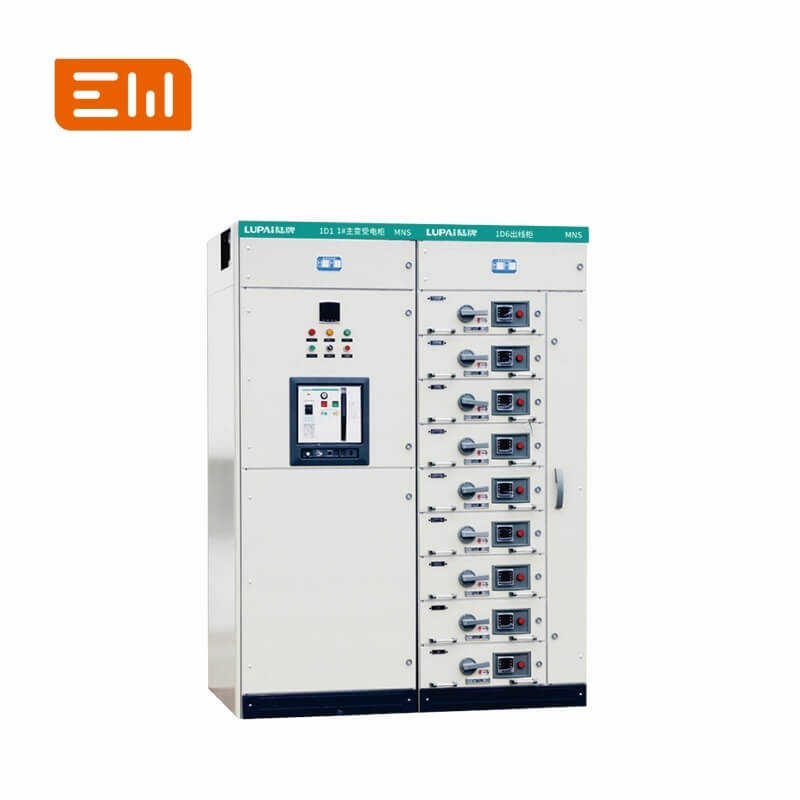
LV Switchgear Guide: Low Voltage Distribution, Protection, and Panel Types Quick Answer: LV switchgear distributes and protects low-voltage power after transformers, generators, or utility supplies. This guide is written for engineers, EPC teams, ...
VIEW MORE
LV Distribution Boards: Selection Guide for Commercial and Industrial Loads Quick Answer: LV distribution boards should be planned around load grouping, operating access, and protection coordination. This guide is written for engineers, EPC teams,...
VIEW MORE
LV Distribution Board Guide: Functions, Components, and Selection Checklist Quick Answer: An LV distribution board divides low-voltage power into protected circuits for downstream loads. This guide is written for engineers, EPC teams, facility man...
VIEW MORE
LV Room Full Form in Electrical Projects: Equipment, Layout, and Safety Quick Answer: LV room means low-voltage room, the area where low-voltage switchgear, panels, metering, and auxiliary distribution equipment are installed. This guide is writte...
VIEW MORE
LV Panel Full Form in Electrical Systems: Meaning and Selection Basics Quick Answer: LV panel means low-voltage panel, a cabinet or assembly used to distribute and protect low-voltage electrical circuits. This guide is written for engineers, EPC t...
VIEW MORE
Main Switch Board Guide: MSB Ratings, Protection, and Building Applications Quick Answer: The main switch board is the central low-voltage distribution point between supply sources and downstream panels. This guide is written for engineers, EPC te...
VIEW MORE
Switch Board Panel Guide: Structure, Ratings, and Common Mistakes Quick Answer: A switch board panel should be selected as part of the whole power distribution system, not as a standalone cabinet. This guide is written for engineers, EPC teams, fa...
VIEW MORE
Electric Switch Board Guide: Meaning, Layout, and Procurement Checklist Quick Answer: An electric switch board groups switching, protection, and distribution devices into a controlled cabinet or panel assembly. This guide is written for engineers,...
VIEW MORE
Electric Switchboard Guide: Distribution, Protection, and Panel Selection Quick Answer: An electric switchboard receives low-voltage power and distributes it through protected outgoing circuits. This guide is written for engineers, EPC teams, faci...
VIEW MORE
Gas Insulated Switchgear Guide: GIS Benefits, Limits, and Selection Criteria Quick Answer: Gas insulated switchgear uses a sealed insulation system to reduce footprint and protect live parts from many external conditions. This guide is written for...
VIEW MORE
Dry Type Transformer Specification Checklist for RFQs and Tenders Quick Answer: A clear dry type transformer specification prevents quotation gaps and makes supplier technical responses easier to compare. This guide is written for engineers, EPC t...
VIEW MORE
Distribution Transformer Guide: Applications, Ratings, and Buying Criteria Quick Answer: A distribution transformer steps medium voltage down to usable low voltage for buildings, plants, utilities, and local distribution networks. This guide is wr...
VIEW MORE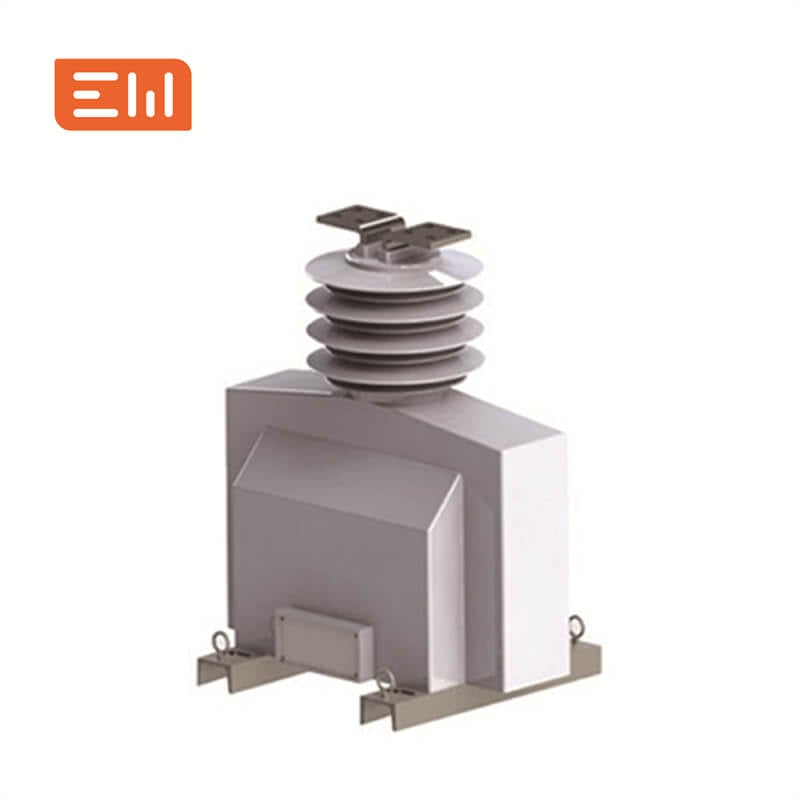
Current Transformer Simulation Guide: What Engineers Should Check Quick Answer: Current transformer simulation helps engineers review secondary current behavior before relying on a CT for protection or measurement. This guide is written for engine...
VIEW MORE
Current Transformer Design Guide for Protection and Metering Projects Quick Answer: Current transformer design should start from the circuit duty and the devices connected to the secondary circuit. This guide is written for engineers, EPC teams, f...
VIEW MORE
CT Transformer Guide: Current Transformer Functions, Ratios, and Selection Quick Answer: A CT transformer converts primary current into a smaller secondary current for metering, protection relays, and monitoring equipment. This guide is written fo...
VIEW MORE
Commercial Electrical Panels: Selection Guide for Building Power Rooms Quick Answer: Commercial electrical panels organize incoming and outgoing low-voltage circuits so building loads can be protected and maintained predictably. This guide is writ...
VIEW MORE
Commercial Electrical Panel Buying Guide: Ratings, Layout, and Safety Quick Answer: A commercial electrical panel distributes low-voltage power to lighting, HVAC, elevators, pumps, sockets, and tenant or facility loads. This guide is written for e...
VIEW MORE
33kV Vacuum Circuit Breaker Buying Guide for Medium Voltage Networks Quick Answer: A vacuum circuit breaker interrupts fault current by opening contacts inside sealed vacuum interrupters, which recover dielectric strength quickly after current zer...
VIEW MORE
11kV Vacuum Circuit Breaker: Working Principle, Benefits, and Selection Guide Quick Answer: A vacuum circuit breaker interrupts fault current by opening contacts inside sealed vacuum interrupters, which recover dielectric strength quickly after cu...
VIEW MORE
11kV Vacuum Circuit Breaker Specifications: A Practical Buying Guide Quick Answer: A vacuum circuit breaker interrupts fault current by opening contacts inside sealed vacuum interrupters, which recover dielectric strength quickly after current zer...
VIEW MORE
11kV Substation: What It Is, How It Works, and How to Specify One Quick Answer: An 11kV substation receives medium-voltage supply, switches and protects the circuit, transforms voltage, and distributes low-voltage power. This guide is written for ...
VIEW MORE
11 kV Vacuum Circuit Breaker: Selection Guide for Medium-Voltage Switchgear Quick Answer: A vacuum circuit breaker interrupts fault current by opening contacts inside sealed vacuum interrupters, which recover dielectric strength quickly after curr...
VIEW MORE
61641 Guide for Low Voltage Switchgear Internal Arc Testing Quick Answer: IEC/TR 61641 is used to evaluate enclosed low-voltage switchgear assemblies under internal arcing fault conditions. This guide is written for engineers, EPC teams, facility ...
VIEW MORE
Amorphous Core Transformer Benefits: Efficiency Redefined Quick Answer: An amorphous core transformer reduces no-load loss by using amorphous alloy core material instead of conventional silicon steel. This guide is written for engineers, EPC teams...
VIEW MORE
Dry Type Transformers: How They Work, Benefits, and Buying Criteria Quick Answer: Dry type transformers use air or solid insulation instead of liquid insulating oil, making them useful for many indoor distribution projects. This guide is written f...
VIEW MORE
LV Panel Board: Distribution, Protection, and Buying Criteria Quick Answer: An LV panel board receives low-voltage power and distributes it through protected outgoing circuits for building or industrial loads. This guide is written for engineers, ...
VIEW MORE
Air Insulated Switchgear: How AIS Works, Benefits, and Buying Criteria Quick Answer: Air insulated switchgear uses air clearances, barriers, and metal enclosures to control, isolate, and protect electrical circuits. This guide is written for engin...
VIEW MORE
Air Circuit Breaker Diagram: A Practical Guide to ACB Structure, Wiring, and Operation An air circuit breaker diagram shows how an Air Circuit Breaker, also called an ACB, is built and connected inside a low-voltage power distribution system. It u...
VIEW MORE
Enwei Electric Integrated Power Equipment Solutions: Transformers, Switchgear, Breakers, and Substations Quick Answer: Integrated electrical equipment sourcing works best when transformer, switchgear, breaker, RMU, and substation interfaces are pl...
VIEW MORE
Transformer Core Materials Guide: Silicon Steel, Amorphous Alloy, and Loss Reduction Quick Answer: Transformer core material strongly influences no-load loss, noise, efficiency, and lifecycle energy cost. This guide is written for engineers, EPC t...
VIEW MORE
Transformer Tank Design Guide: Strength, Sealing, Cooling, and Corrosion Protection Quick Answer: A transformer tank is not only a container; it affects oil sealing, cooling behavior, mechanical durability, and service life. This guide is written ...
VIEW MORE
RMU + Transformer + LV Panel Package: How an Integrated Substation Is Built Quick Answer: An integrated package reduces interface risk when RMU, transformer, LV panel, and enclosure are specified together. This guide is written for engineers, EPC ...
VIEW MORE
Substation Transformer Sizing Guide: Load, kVA, Cooling, and Future Expansion Quick Answer: Transformer sizing should reflect real load behavior, growth expectations, and thermal limits rather than only connected load. This guide is written for en...
VIEW MORE
Compact Substation Design Checklist: Electrical, Civil, and O&M Details Quick Answer: Good compact substation design coordinates electrical equipment with civil footprint and long-term operation requirements. This guide is written for engineers, E...
VIEW MORE
China Style Substation: Configuration, Advantages, and Project Selection Quick Answer: China style substations provide a practical prefabricated solution for projects needing fast deployment and integrated distribution equipment. This guide is wri...
VIEW MORE
American Style Substation: Pad-Mounted Transformer Package Selection Guide Quick Answer: American style substations emphasize compact pad-mounted layouts with transformer and switching interfaces inside weather-resistant enclosures. This guide is ...
VIEW MORE
European Style Substation: Layout, Components, and Selection Criteria Quick Answer: European style substations are modular package substations with clear MV, transformer, and LV functional sections. This guide is written for engineers, EPC teams, ...
VIEW MORE
Compact Substation Complete Guide: Transformer, MV Switchgear, and LV Panel Integration Quick Answer: Compact substations combine transformer, MV switching, LV distribution, and enclosure into a coordinated package. This guide is written for engin...
VIEW MORE
Circuit Breaker Coordination and Selectivity: Practical Guide for LV/MV Systems Quick Answer: Coordination ensures the protective device closest to the fault trips first, limiting outage impact. This guide is written for engineers, EPC teams, and ...
VIEW MORE
MCCB vs MCB vs ACB: How to Choose Low Voltage Circuit Breakers Quick Answer: MCB, MCCB, and ACB devices serve different levels of LV protection from final circuits to main incomers. This guide is written for engineers, EPC teams, and procurement m...
VIEW MORE
ZW32 Outdoor Vacuum Circuit Breaker: Pole-Mounted Distribution Protection Guide Quick Answer: ZW32 outdoor vacuum circuit breakers protect overhead or outdoor distribution feeders where weather resistance and reliable operation matter. This guide ...
VIEW MORE
ZN63 Medium Voltage Circuit Breaker: Indoor VCB Applications and Specification Quick Answer: ZN63 breakers are commonly used in indoor MV switchgear for feeder, transformer, and motor circuit protection. This guide is written for engineers, EPC te...
VIEW MORE
Vacuum Circuit Breaker vs SF6 Breaker: Practical Differences for MV Systems Quick Answer: Vacuum and SF6 breakers interrupt faults differently, which affects maintenance, lifecycle planning, and project preference. This guide is written for engine...
VIEW MORE
Circuit Breaker Selection Guide: MCCB, MCB, ACB, VCB, and Outdoor Breakers Quick Answer: Circuit breakers protect circuits by interrupting fault current and isolating equipment safely. This guide is written for engineers, EPC teams, and procuremen...
VIEW MORE
Switchgear IP Rating and Enclosure Selection for Indoor and Outdoor Projects Quick Answer: The enclosure protects switchgear from environment while still allowing heat dissipation and safe operation. This guide is written for engineers, EPC teams,...
VIEW MORE
ENWEI Electric - China’s professional switchgear & transformer manufacturer since 2000. Specializing in high/low voltage switchgear, power & current transformers.
No. 6688, Building 1, Xuyang Road, Headquarters Economic Park, Yueqing City, Wenzhou City, Zhejiang Province, China
Copyright © Wenzhou Enwei Intelligent Equipment Co., Ltd. All Rights Reserved | Privacy Policy | Blog
 EN