
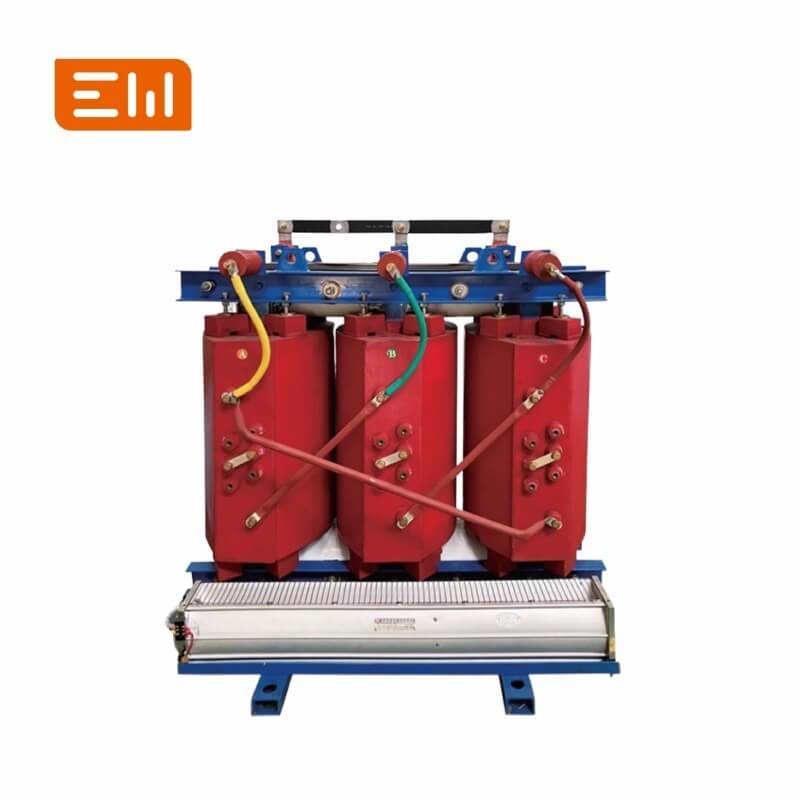
AN vs AF Dry-Type Transformer Cooling: Thermal Performance and Design Tradeoffs Quick Answer: AN cooling offers simplicity, while AF cooling provides higher output density. The right choice depends on duty cycle, ambient temperature, and maintenan...
VIEW MORE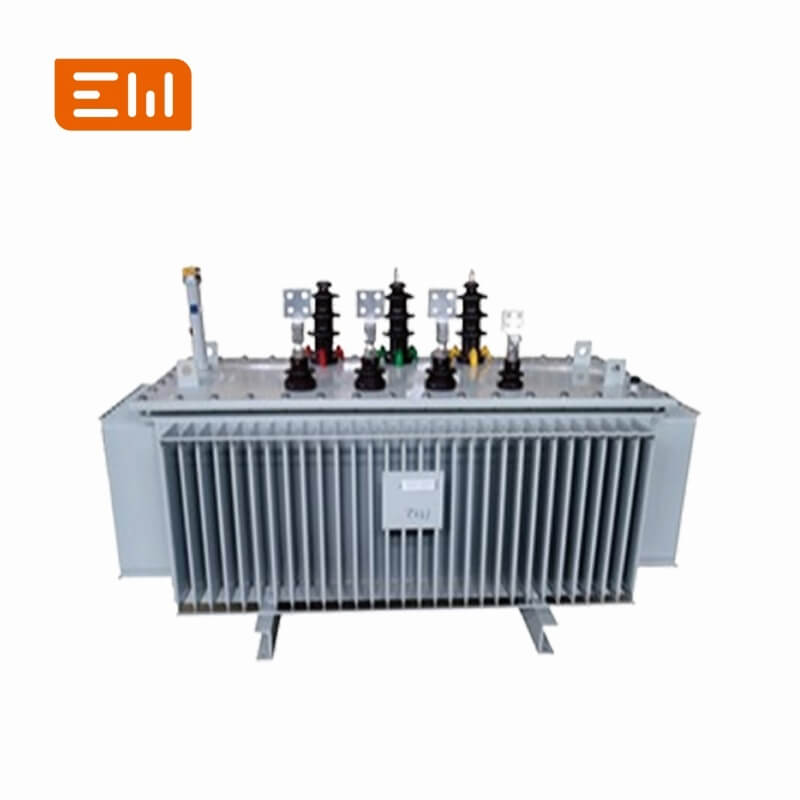
ONAN vs ONAF Transformer Cooling: Ratings, Thermal Limits, and Selection Quick Answer: ONAN and ONAF define how heat is removed from liquid-immersed transformers. Choosing correctly affects loading, fan dependence, and thermal risk. This guide is ...
VIEW MORE
Oil-Immersed vs Dry-Type Transformer: How to Choose the Right Technology Quick Answer: The best transformer choice is not universal. It depends on installation environment, risk profile, cooling margin, maintenance model, and network priorities. T...
VIEW MORE
Choosing the right step-down transformer for switchgear systems is very important. These transformers reduce high voltage to lower one that can be use safely in homes and businesses. EUNVIN know how crucial it is pick the correct transformer. When ch...
VIEW MORE
Dry-Type Transformer: Complete Guide for Indoor and Critical-Power Applications Quick Answer: Dry-type transformers use solid insulation systems and air cooling, making them especially suitable in locations where fire behavior, environmental risk,...
VIEW MORE
Oil-Immersed Transformer: Complete Guide to Design, Cooling, and Applications Quick Answer: Oil-immersed transformers remain a core technology in medium-voltage and utility distribution because they combine high dielectric strength with effective ...
VIEW MORE
Oil-Immersed Transformer: Complete Guide to Design, Cooling, and Applications Quick Answer: Oil-immersed transformers remain a core technology in medium-voltage and utility distribution because they combine high dielectric strength with effective ...
VIEW MORE
Keeping your step-down transformer in good shape is really important if you want your uninterruptible power supply (UPS) to last long time. EUNVIN know that maintenance is the key for make sure your equipment work when you need it most. The step-down...
VIEW MORE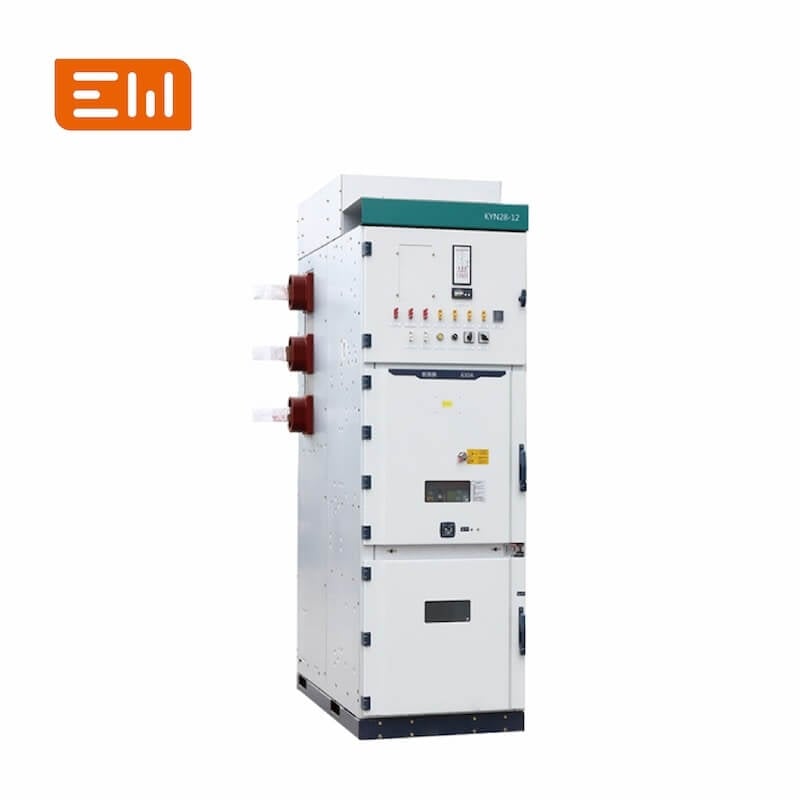
MV Switchgear Metering Cubicle Design: CT/VT + Protection in One Panel An MV metering cubicle integrates CTs, VTs, meters, and sometimes protection relays into one panel section. Good design delivers accurate measurement, safe maintenance, and rel...
VIEW MORE
Enwei Electric has made something really special with their new product, the SIS switchgear. This one different from old traditional models. It bring many good things that make it nice choice for company and industry. With Enwei Electric SIS, we can ...
VIEW MORE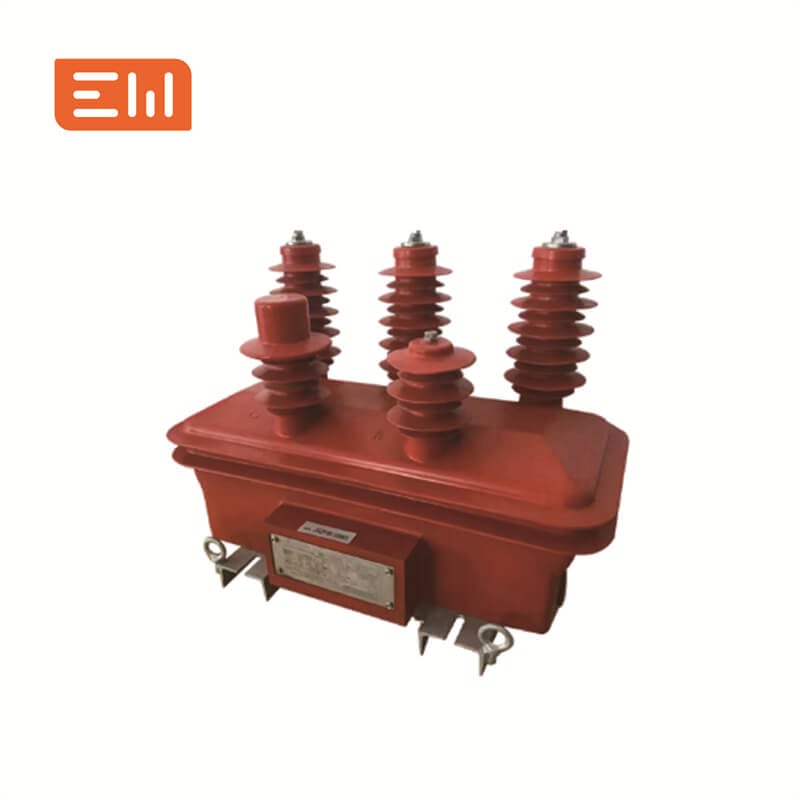
Enwei Electric CT/VT Product Overview: Options and Applications Instrument transformers are the signal foundation for metering and protection. Choosing the right CT/VT is primarily about matching application intent (billing vs protection), burden,...
VIEW MORE
Selecting the appropriate present transformer for medium-voltage switchgear requests is actually extremely important. A present transformer, or even CT, assist towards determine electric present. It ensure whatever operate securely as well as effecti...
VIEW MORE
Step-down transformers are important device use in factories and many business. They reduce high voltage power to lower level which is safer and better fit for normal use. High voltage electricity can be danger, and most machines don't need that much...
VIEW MORE
Instrument Transformer FAT Checklist Instrument transformers are small compared with switchgear, but CT/VT mistakes propagate into metering and protection problems. A structured FAT verifies that CTs and VTs match your specification before shippin...
VIEW MORE
CT/VT Installation Mistakes to Avoid Instrument transformer installation mistakes cause wrong readings, nuisance trips, and dangerous maintenance situations. Most issues are preventable with a clear checklist and disciplined commissioning practice...
VIEW MORE
How to Specify VTs for Protection Relays Protection relays use voltage inputs for functions like undervoltage/overvoltage, directional elements, synch-check, and power-based supervision. If a VT is mis-specified (ratio, accuracy, burden, or insula...
VIEW MORE
How to Troubleshoot CT Measurement Errors CT measurement errors usually come from installation or configuration mismatches rather than CT “bad quality”. Wrong ratio selection, polarity mistakes, burden/wiring issues, and meter scaling errors are t...
VIEW MORE
Instrument Transformers for GIS Switchgear: Interfaces and Constraints GIS switchgear designs are compact and sealed, which changes how CTs and VTs are integrated compared with AIS or conventional metal-clad panels. Interface constraints and acces...
VIEW MORE
CT Core Materials and Accuracy: What Actually Matters CT accuracy is not only a nameplate class. In real MV panels, CT behavior depends on core design, burden, ratio choice, and whether the CT is intended for metering or protection. “Core material...
VIEW MORE
Outdoor VT Housing, Creepage Distance, and Pollution Class Outdoor voltage transformers must withstand contamination and weather exposure over many years. In coastal, industrial, or dusty environments, the biggest risks are insulation tracking and...
VIEW MORE
VT Ferroresonance: Causes, Symptoms, and Prevention VT ferroresonance is a nonlinear resonance phenomenon that can occur in MV networks under certain switching conditions. It can cause abnormal overvoltages, overheating, and unstable voltage signa...
VIEW MORE
CT Thermal Rating Factor and Short-Time Current Withstand CT selection is not only about ratio and accuracy. CTs must also survive thermal and mechanical stress during faults. For MV switchgear, you should verify short-time current withstand and e...
VIEW MORE
The world of electrical stuff keep changing all the time. One big thing in this is current transformer. The LXK medium-voltage current transformers is kind of new type and bring some really nice changes. They don't work same like old traditional ones...
VIEW MORE
MV Metering Accuracy: CT/VT Selection for Billing vs. Protection MV metering accuracy is a system outcome: CT/VT selection, burden, wiring, and commissioning discipline all affect the final measurement. Many projects lose accuracy because they use...
VIEW MORE
Instrument Transformer Standards: IEC 61869 vs. ANSI/IEEE Instrument transformers are specified under different standards depending on region and project practice. Problems happen when documents mix IEC and ANSI/IEEE assumptions for accuracy, burd...
VIEW MORE
How to Read CT/VT Nameplates: Key Fields and Typical Mistakes CT and VT nameplates contain the information you need to verify compatibility with your metering and protection system. Many commissioning issues happen because the installed CT/VT name...
VIEW MORE
VT Fusing and Protection: Best Practices for MV Panels VT circuits provide critical voltage signals for metering and protection. Incorrect VT fusing can cause nuisance outages, damaged VTs, or unsafe maintenance conditions. Good VT protection is a...
VIEW MORE
Common CT Wiring Diagrams: Metering, Differential, and Earth Fault CT wiring errors are a leading cause of commissioning delays and protection misoperations. Polarity, phase association, and correct connections for earth fault or differential sche...
VIEW MORE
Measuring vs. Protection CTs: How to Specify the Right Class Not all CTs are designed for the same job. A measuring CT prioritizes accuracy around normal load currents. A protection CT prioritizes dependable performance during faults, especially a...
VIEW MORE
CT Secondary Safety: Why You Must Never Open-Circuit a CT In instrument transformer work, one rule is repeated for a reason: never open-circuit a CT secondary when it is energized. This is not a theoretical warning. An open CT secondary can genera...
VIEW MORE
A current transformer (CT) measures current; a voltage transformer (VT), also called a potential transformer (PT), measures voltage. Both provide scaled signals for metering and protection, but their ratios, connection requirements and selection c...
VIEW MORE
Current transformers (CTs) are really important devices in electrical systems. They help measure and manage currents in safe way. EUNVIN really committed to give quality current transformers that suit for different industries needs. Knowing how these...
VIEW MORE
Indoor vs. Outdoor Voltage Transformers: How to Choose for 11kV–40.5kV Choosing an indoor vs outdoor VT is not just about “where it sits.” Outdoor installation changes insulation stress, contamination risk, mechanical constraints, and maintenance ...
VIEW MORE
CT Polarity, Ratio, and Insulation Tests: Commissioning Checklist Many CT issues are not manufacturing defects. They are commissioning mistakes: wrong polarity, incorrect wiring, loose terminals, or unsafe secondary handling. A simple, consistent ...
VIEW MORE
Enwei Electric is famous for its SIS, that means Safety Instrumented System. This thing is really important to make workplace safe and also work good. In industrial places, safety is very big deal. If machine break or something bad happen, it can cau...
VIEW MORE
Potential Transformer vs. Voltage Transformer: Terminology and Selection Engineers often ask whether a potential transformer (PT) is different from a voltage transformer (VT). In most practical MV contexts, “PT” and “VT” refer to the same role: st...
VIEW MORE
Voltage Transformer (VT) Basics: Inductive VTs, Uses, and Key Specifications A voltage transformer (VT) is an instrument transformer that steps down medium voltage to a standardized low voltage for metering, protection relays, and monitoring syste...
VIEW MORE
When it come to power distribution, picking the right partner is really important. Enwei Electric, with they brand EUNVIN, give good solutions for todays power projects. There is many reasons why company should think about modern power distribution. ...
VIEW MORE
How to Size a Current Transformer Ratio: A Practical Step-by-Step Method Choosing the right CT ratio sounds simple, but “bigger is safer” is often wrong. An over-sized CT ratio can reduce measurement resolution and compromise relay sensitivity. An...
VIEW MORE
CT Saturation and Knee Point: What Protection Engineers Need to Know In protection systems, a CT is not just a measurement device. During faults, CT performance can determine whether relays trip correctly. The key risk is CT saturation, where the ...
VIEW MORE
Medium-voltage switchgear is really important piece in electrical systems, it keep homes, schools and bussiness safe. This devices control and protect circuits that work on medium voltage, usually from 1 kV up to 38 kV. The equipment so crucial becau...
VIEW MORE
CT Accuracy Class and Burden Explained (0.2, 0.5, 1.0, 5P, 10P) CT specifications can look intimidating, but two terms drive most performance outcomes: accuracy class and burden. If either is mismatched, meters read wrong and protection relays may...
VIEW MORE
Enwei's SIS Technology is smart choice for people using switchgear. Switchgear is important equipment that control and protect electric systems. EUNVIN, they are trusted company, has make a way to help users save some money on maintenance stuff. With...
VIEW MORE
In today's factories, keeping power running smooth is really important. One good way is using solid-state insulated switchgear. This special equipment control electricity flow in safe and efficient manner. EUNVIN company make high-quality solid-state...
VIEW MORE
Split-Core Current Transformers: Selection, Installation, and Accuracy Tips A split-core current transformer (sometimes called a clamp-on CT) opens and closes around an existing conductor. That makes it one of the fastest ways to add metering or m...
VIEW MORE
Solid-State Insulated Switchgear is a special kind of electrical equipment that help manage power in factories and other large places. It use solid materials for insulation, so the electric current stay safely inside. This tech is really important be...
VIEW MORE
Current Transformer (CT) Types Explained: Bar, Wound, Window, and Split-Core A current transformer (CT) is an instrument transformer used to step down high primary current to a standardized secondary current (commonly 5A or 1A) so that meters, pro...
VIEW MORE
Enwei Electric is really making some noise in medium voltage systems with their solid-state insulated switchgear. This new tech is pretty important cause it make electrical setups safer and work better. Old traditional systems sometimes can be quite ...
VIEW MORE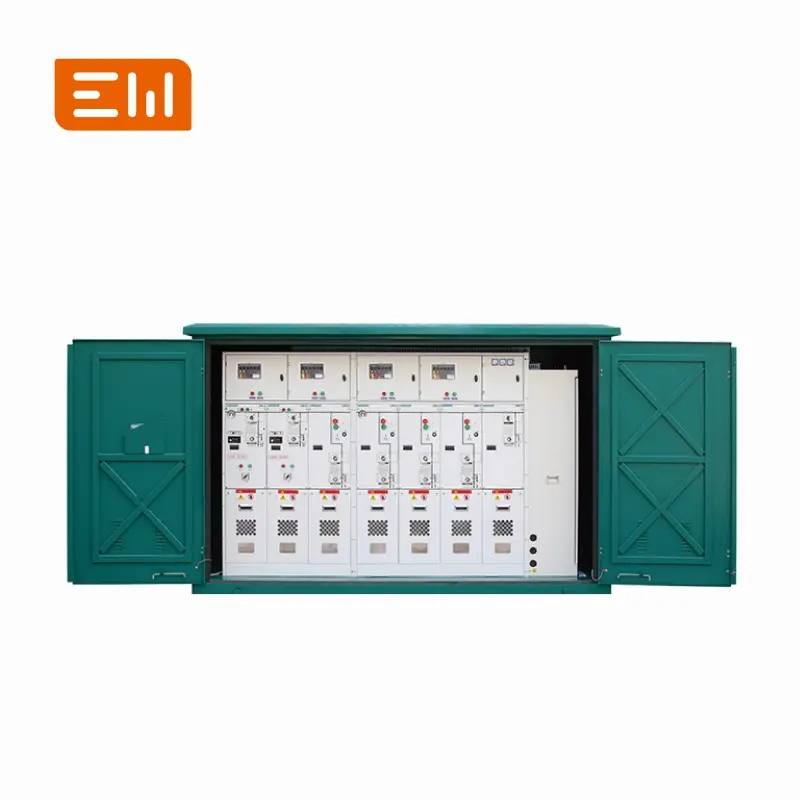
Enwei Electric RMU Solutions Overview: Options, Standards, and Project Support RMUs are the switching nodes that keep MV cable networks reliable and serviceable. The “right RMU” depends on your network topology, protection strategy, installation e...
VIEW MORE
Solid-state insulated switchgear is really changing way industries handle their power systems. It use solid materials instead of gas or oil to insulate the electrical parts. EUNVIN proud to provide this special solution because modern industries need...
VIEW MORE
RMU Factory Acceptance Test (FAT) Checklist An RMU FAT is the last chance to catch mismatches before shipping. A good Factory Acceptance Test (FAT) verifies not only dielectric performance, but also functional operations, interlocks, and (if appli...
VIEW MORE
Choosing Between Fixed and Modular RMU: Maintenance and Expansion RMUs are often selected for compactness and reliability, but the design approach matters for long-term operations. One common decision is fixed vs modular RMU. The right choice depe...
VIEW MORE
RMU for Renewable Integration: Solar/Wind Collector Networks Renewable projects often build MV collector networks that connect many generation points to a substation. In wind farms and large solar plants, RMUs can provide compact switching, sectio...
VIEW MORE
RMU SLD Examples: Typical 2–4 Way Ring Configurations In RMU procurement, the quickest way to eliminate ambiguity is to attach a single-line diagram (SLD). Configuration codes like “C-C-V” help, but an SLD clarifies which feeders are ring ways, wh...
VIEW MORE
Feeder Automation RMU: Sensors, Controllers, and Field Commissioning Tips Feeder automation is one of the fastest ways to improve reliability in MV cable networks. A feeder automation RMU combines fault indication and remote switching to reduce fa...
VIEW MORE
RMU Common Failures and Troubleshooting: Moisture, Partial Discharge, and Mechanisms RMUs are designed for dependable MV distribution, but real-world conditions create repeatable failure patterns. The highest-frequency problems are not dramatic sh...
VIEW MORE
MV Cable Accessories for RMU: Selecting the Right Terminations In MV RMU installations, the termination is where cable insulation, connector interface, and enclosure environment meet. That interface is sensitive to contamination, moisture, and ins...
VIEW MORE
RMU Earthing Switches Explained: Safety, Interlocks, and Testing In MV switchgear, safe access is never assumed. The earthing switch is a key safety device in an RMU, used to connect a circuit to earth and discharge trapped charges so technicians ...
VIEW MORE
RMU CT/VT Metering Modules: What You Need for Accurate Billing When an RMU includes a metering module, CT and VT selection becomes a revenue topic, not just an engineering detail. Accuracy class, burden planning, and commissioning discipline deter...
VIEW MORE
MV Switchgear Busbar Sizing for RMU: Temperature Rise and Short-Time Withstand RMU specifications often focus on switches and fault duty, but the busbar is the backbone that carries continuous current through the unit. A busbar mismatch can lead t...
VIEW MORE
ENWEI Electric - China’s professional switchgear & transformer manufacturer since 2000. Specializing in high/low voltage switchgear, power & current transformers.
No. 6688, Building 1, Xuyang Road, Headquarters Economic Park, Yueqing City, Wenzhou City, Zhejiang Province, China
Copyright © Wenzhou Enwei Intelligent Equipment Co., Ltd. All Rights Reserved | Privacy Policy | Blog
 EN