
Switchgear Busbar Sizing Guide: Current, Temperature Rise, and Fault Withstand Quick Answer: Busbar sizing must satisfy both continuous thermal performance and short-circuit mechanical withstand. This guide is written for engineers, EPC teams, and...
VIEW MORE
Switchgear Protection Relays: Selection Guide for MV and LV Panels Quick Answer: Protection relays convert current and voltage signals into reliable trip decisions for feeders, transformers, motors, and bus sections. This guide is written for engi...
VIEW MORE
Switchgear Arc Flash and Internal Arc Safety: What Specifiers Should Check Quick Answer: Arc safety is a system design issue involving switchgear construction, fault clearing time, operating procedure, and room layout. This guide is written for en...
VIEW MORE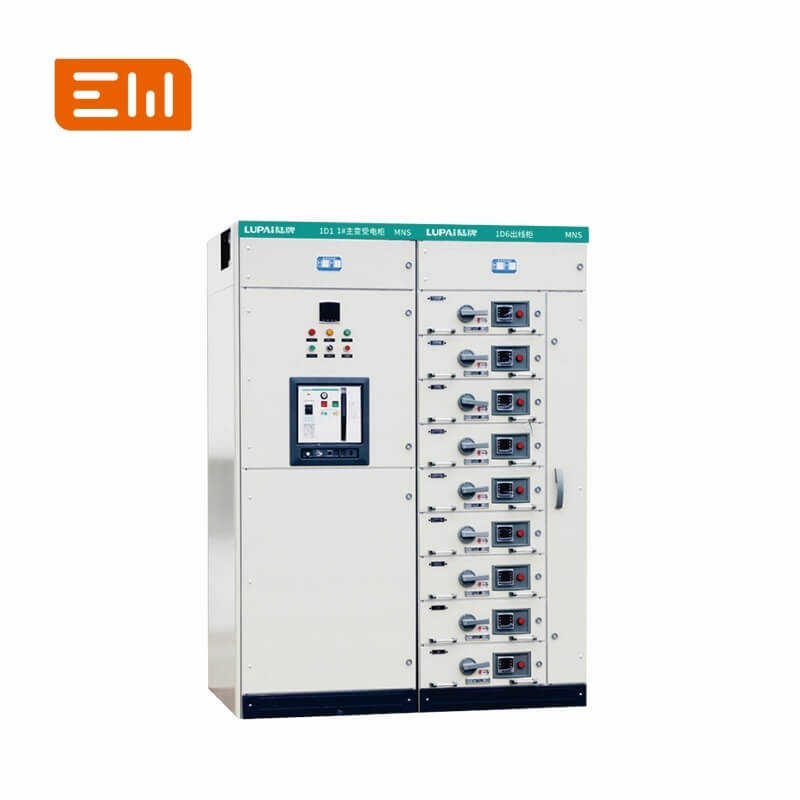
Low Voltage Switchgear Commissioning Checklist: Panels, Breakers, and Busbars Quick Answer: LV commissioning should confirm electrical continuity, protection behavior, mechanical operation, and safe load energization. This guide is written for eng...
VIEW MORE
Medium Voltage Switchgear Commissioning Checklist: Tests Before Energization Quick Answer: Commissioning proves that MV switchgear is electrically sound, mechanically safe, and correctly coordinated with protection settings. This guide is written ...
VIEW MORE
Switchgear Maintenance Checklist: Inspection, Testing, and Reliability Planning Quick Answer: Switchgear reliability depends on routine inspection, clean interfaces, accurate protection, and disciplined maintenance records. This guide is written f...
VIEW MORE
GGD vs GCS vs GCK Low Voltage Switchgear: Practical Differences for Buyers Quick Answer: GGD, GCS, and GCK panels serve different LV distribution needs, so selection should follow load type and maintenance strategy. This guide is written for engin...
VIEW MORE
MNS Low Voltage Switchgear: Modular Design, Applications, and Specification Tips Quick Answer: MNS switchgear is suitable for LV systems that need modular feeders, maintainability, and flexible expansion. This guide is written for engineers, EPC t...
VIEW MORE
Low Voltage Switchgear Selection Guide: MNS, GGD, GCS, GCK, and XL-21 Quick Answer: Low voltage switchgear distributes power safely to motors, feeders, capacitor banks, and building loads. This guide is written for engineers, EPC teams, and procur...
VIEW MORE
EWR Medium Voltage Switchgear: Compact Distribution Design and Buyer Checklist Quick Answer: EWR switchgear supports compact MV distribution packages where space, reliable switching, and clear interface definition are important. This guide is writ...
VIEW MORE
HXGN Medium Voltage Switchgear: Ring Network Use Cases and Selection Tips Quick Answer: HXGN switchgear is often selected for compact MV distribution where ring network operation and safe switching matter. This guide is written for engineers, EPC ...
VIEW MORE
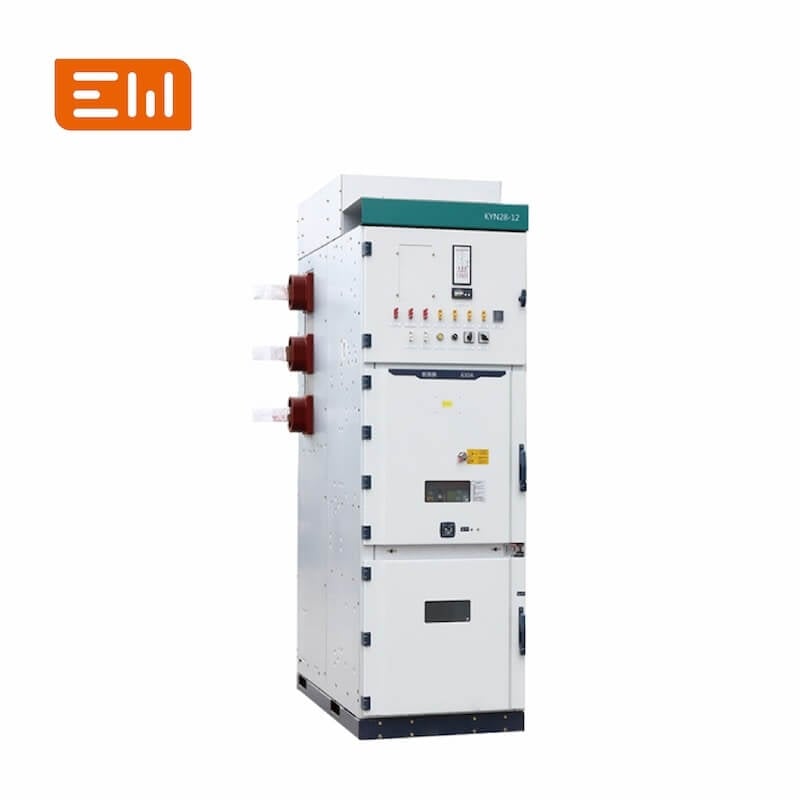
KYN Medium Voltage Switchgear: Structure, Ratings, and Project Fit Quick Answer: KYN switchgear is commonly used where clear compartmentalization, withdrawable breakers, and maintainable MV distribution are required. This guide is written for engi...
VIEW MORE
Medium Voltage Switchgear Selection Guide: Ratings, Safety, and Applications Quick Answer: Medium voltage switchgear controls, isolates, and protects feeders between utility supply and critical loads. This guide is written for engineers, EPC teams...
VIEW MORE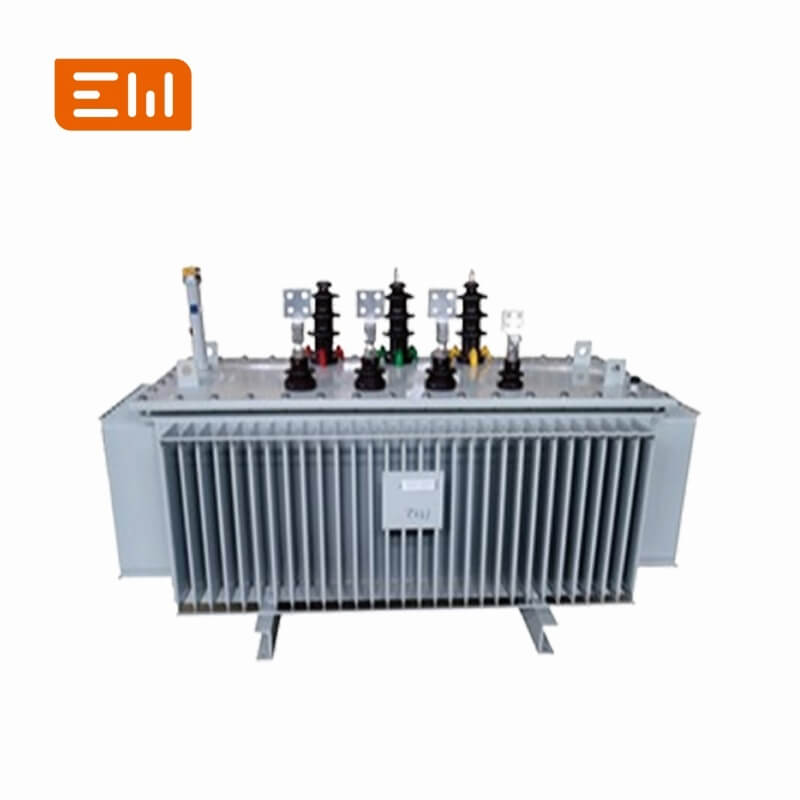
Enwei Electric Oil-Immersed and Dry-Type Transformer Solutions: Selection and Project Support Quick Answer: Enwei Electric supports both oil-immersed and dry-type transformer pathways, helping buyers align technical requirements, site constraints,...
VIEW MORE
Transformer Lifecycle Cost: How to Compare Oil-Immersed and Dry-Type Options Quick Answer: Lowest purchase price does not always mean lowest lifetime cost. Energy loss, maintenance, downtime risk, and site requirements often dominate. This guide i...
VIEW MORE
Transformer FAT Checklist: What to Verify for Oil-Immersed and Dry-Type Units Quick Answer: A good FAT reduces commissioning surprises and ensures the delivered transformer matches project requirements. This guide is structured for both traditiona...
VIEW MORE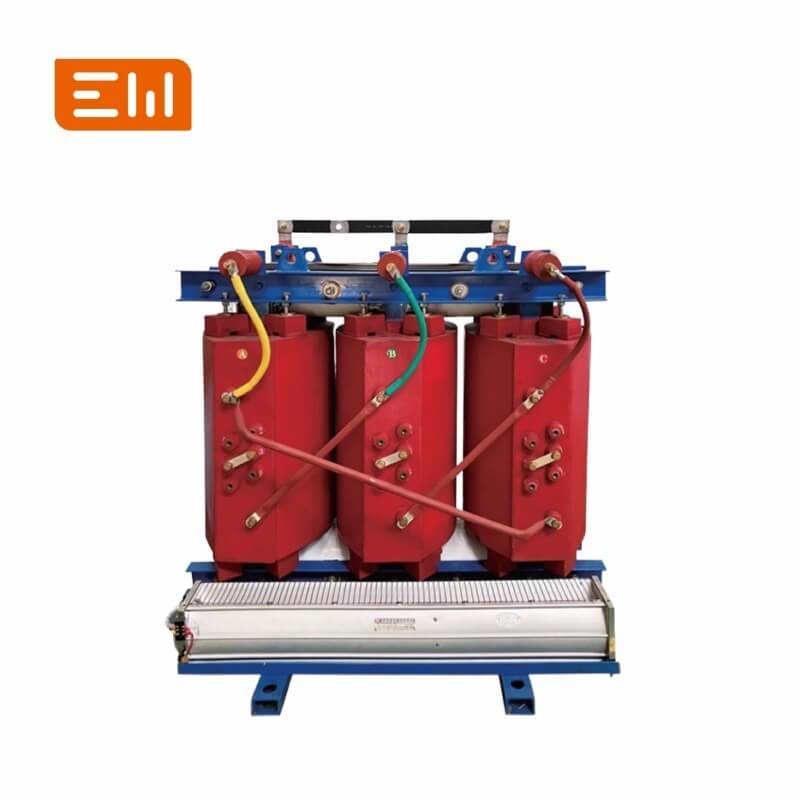
Dry-Type Transformer Commissioning Checklist: Tests, Settings, and Thermal Validation Quick Answer: Dry-type commissioning should verify not just electrical integrity but also room thermal behavior and cooling control logic. This guide is structur...
VIEW MORE
Oil-Immersed Transformer Commissioning Checklist: Pre-Energization to First Load Quick Answer: Commissioning quality determines the initial reliability baseline and prevents avoidable early-life failures. This guide is structured for both traditio...
VIEW MORE
Oil-Immersed Transformers in Coastal and Corrosive Sites: Design and Maintenance Priorities Quick Answer: Coastal and polluted locations accelerate corrosion and seal degradation. Reliability depends on preventive design details and inspection dis...
VIEW MORE
Dry-Type Transformer IP Rating and Enclosure Guide for Indoor and Harsh Environments Quick Answer: Enclosure choice affects thermal performance, contamination control, and long-term maintainability. This guide is structured for both traditional se...
VIEW MORE
Harmonics and K-Factor Transformer Selection: Protecting Performance in Nonlinear Loads Quick Answer: Harmonic currents raise losses and temperature. Proper transformer specification protects reliability in modern power-electronics-heavy systems. ...
VIEW MORE
Transformer Selection for Solar and Wind Projects: Oil-Immersed or Dry-Type? Quick Answer: Renewable projects face variable loading and site-specific constraints. Transformer selection should combine electrical, environmental, and O&M consideratio...
VIEW MORE
Why Data Centers Choose Dry-Type Transformers: Reliability, Safety, and O&M Simplicity Quick Answer: Data centers prioritize uptime, predictable maintenance, and controlled risk. Dry-type transformers often align well with these priorities in dist...
VIEW MORE
Transformer Short-Circuit Withstand: Mechanical Strength and Protection Coordination Quick Answer: Short-circuit events stress windings mechanically and thermally. Adequate design and coordination are both required for survivability. This guide is...
VIEW MORE
Oil-Immersed Transformer Overload Capability: Thermal Limits and Practical Planning Quick Answer: Overload capacity exists, but it must be managed with temperature and aging awareness to avoid hidden reliability debt. This guide is structured for ...
VIEW MORE
Dry-Type Transformer Temperature Rise and Insulation Class: What Matters in Specification Quick Answer: Insulation class alone does not guarantee longer life. The operating hotspot profile and loading regime are what determine aging speed. This gu...
VIEW MORE
Transformer Efficiency and Losses: No-Load vs Load Loss in Real Operation Quick Answer: Efficiency should be evaluated against real operating profile, not just nominal figures on a datasheet. This guide is structured for both traditional search an...
VIEW MORE
Transformer Noise Control: Source Mechanisms and Practical Mitigation Methods Quick Answer: Noise performance is often critical in urban and indoor projects. Early acoustic planning prevents costly retrofits. This guide is structured for both trad...
VIEW MORE
Off-Circuit vs On-Load Tap Changer: Voltage Regulation Tradeoffs Explained Quick Answer: Tap-changing strategy should align with voltage fluctuation profile, operational flexibility, and maintenance capability. This guide is structured for both tr...
VIEW MORE
Transformer Bushing Selection Guide: Interfaces, Insulation, and Reliability Points Quick Answer: Bushing failures are often interface failures. Correct specification and installation practice are essential for reliability. This guide is structure...
VIEW MORE
BDV Test for Transformer Oil: Procedure, Interpretation, and Limits Quick Answer: BDV testing is simple in principle but sensitive to sampling, handling, and test discipline. This guide is structured for both traditional search and AI answer engin...
VIEW MORE
Transformer Oil Moisture Control: Why Water Content Drives Aging and Failure Risk Quick Answer: Moisture accelerates insulation aging and lowers dielectric performance. Moisture control should be a core maintenance objective. This guide is structu...
VIEW MORE
Dissolved Gas Analysis (DGA) Basics: What Transformer Oil Gas Trends Tell You Quick Answer: DGA is one of the most valuable diagnostic tools for identifying thermal and electrical faults before catastrophic failure. This guide is structured for bo...
VIEW MORE
Dry-Type Transformer Maintenance Checklist: Cleaning, Thermal Monitoring, and Testing Quick Answer: Dry-type maintenance is straightforward but must be consistent, especially in dusty or high-load environments. This guide is structured for both tr...
VIEW MORE
Oil-Immersed Transformer Maintenance Checklist: Routine Tasks That Protect Reliability Quick Answer: Reliable operation depends on disciplined inspection, trending, and corrective action before minor degradation becomes forced outage. This guide i...
VIEW MORE
Dry-Type Transformer Installation Guide: Ventilation, Clearance, and Commissioning Quick Answer: Dry-type units simplify fluid handling but require careful attention to airflow path, room heat balance, and noise management. This guide is structure...
VIEW MORE
Oil-Immersed Transformer Installation Checklist: Civil, Electrical, and Safety Items Quick Answer: Most commissioning delays come from overlooked civil and interface details, not from the transformer itself. This guide is structured for both tradi...
VIEW MORE
Transformer Fire Safety: Oil-Immersed and Dry-Type Risk Control in Practice Quick Answer: Fire safety is a system-level topic involving transformer type, enclosure design, protection settings, and operating procedures. This guide is structured for...
VIEW MORE
Mineral Oil vs Ester Fluid in Transformers: Safety, Aging, and Application Fit Quick Answer: Fluid choice influences fire behavior, moisture tolerance, insulation aging, and environmental strategy. The decision should align with site risk and main...
VIEW MORE
AN vs AF Dry-Type Transformer Cooling: Thermal Performance and Design Tradeoffs Quick Answer: AN cooling offers simplicity, while AF cooling provides higher output density. The right choice depends on duty cycle, ambient temperature, and maintenan...
VIEW MORE
ONAN vs ONAF Transformer Cooling: Ratings, Thermal Limits, and Selection Quick Answer: ONAN and ONAF define how heat is removed from liquid-immersed transformers. Choosing correctly affects loading, fan dependence, and thermal risk. This guide is ...
VIEW MORE
Oil-Immersed vs Dry-Type Transformer: How to Choose the Right Technology Quick Answer: The best transformer choice is not universal. It depends on installation environment, risk profile, cooling margin, maintenance model, and network priorities. T...
VIEW MORE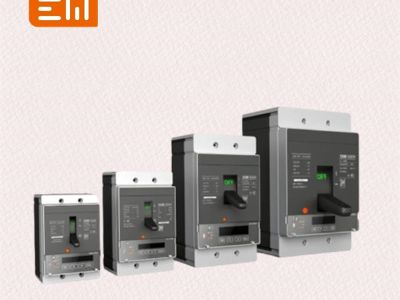
Choosing the right step-down transformer for switchgear systems is very important. These transformers reduce high voltage to lower one that can be use safely in homes and businesses. EUNVIN know how crucial it is pick the correct transformer. When ch...
VIEW MORE
Dry-Type Transformer: Complete Guide for Indoor and Critical-Power Applications Quick Answer: Dry-type transformers use solid insulation systems and air cooling, making them especially suitable in locations where fire behavior, environmental risk,...
VIEW MORE
Oil-Immersed Transformer: Complete Guide to Design, Cooling, and Applications Quick Answer: Oil-immersed transformers remain a core technology in medium-voltage and utility distribution because they combine high dielectric strength with effective ...
VIEW MORE
Oil-Immersed Transformer: Complete Guide to Design, Cooling, and Applications Quick Answer: Oil-immersed transformers remain a core technology in medium-voltage and utility distribution because they combine high dielectric strength with effective ...
VIEW MORE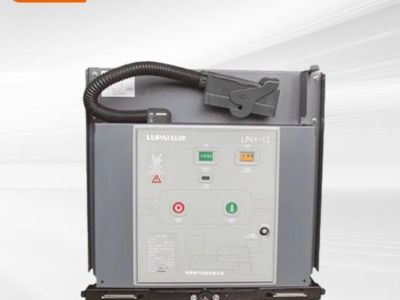
Keeping your step-down transformer in good shape is really important if you want your uninterruptible power supply (UPS) to last long time. EUNVIN know that maintenance is the key for make sure your equipment work when you need it most. The step-down...
VIEW MORE
MV Switchgear Metering Cubicle Design: CT/VT + Protection in One Panel An MV metering cubicle integrates CTs, VTs, meters, and sometimes protection relays into one panel section. Good design delivers accurate measurement, safe maintenance, and rel...
VIEW MORE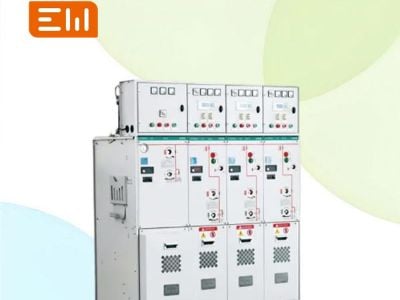
Enwei Electric has made something really special with their new product, the SIS switchgear. This one different from old traditional models. It bring many good things that make it nice choice for company and industry. With Enwei Electric SIS, we can ...
VIEW MORE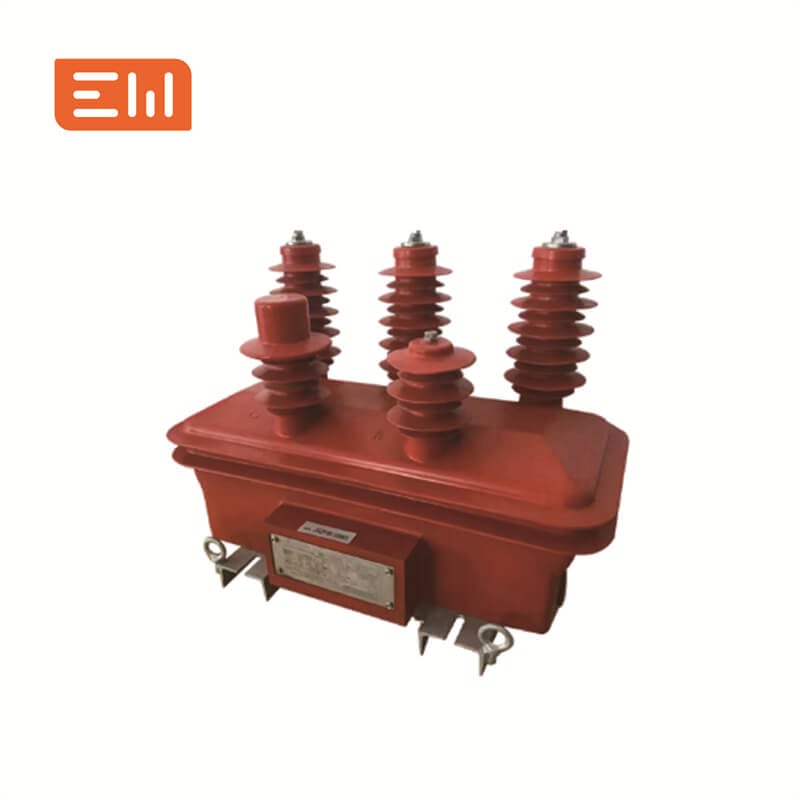
Enwei Electric CT/VT Product Overview: Options and Applications Instrument transformers are the signal foundation for metering and protection. Choosing the right CT/VT is primarily about matching application intent (billing vs protection), burden,...
VIEW MORE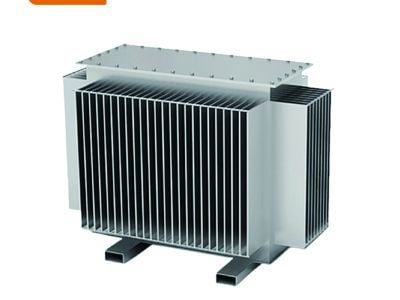
Selecting the appropriate present transformer for medium-voltage switchgear requests is actually extremely important. A present transformer, or even CT, assist towards determine electric present. It ensure whatever operate securely as well as effecti...
VIEW MORE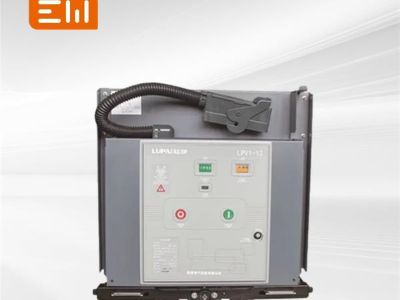
Step-down transformers are important device use in factories and many business. They reduce high voltage power to lower level which is safer and better fit for normal use. High voltage electricity can be danger, and most machines don't need that much...
VIEW MORE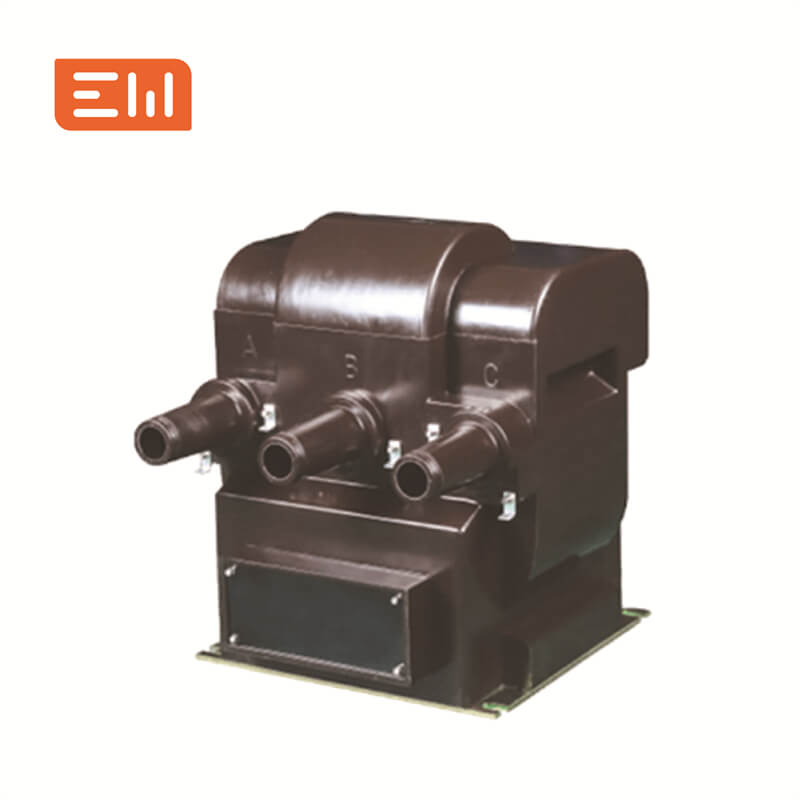
Instrument Transformer FAT Checklist Instrument transformers are small compared with switchgear, but CT/VT mistakes propagate into metering and protection problems. A structured FAT verifies that CTs and VTs match your specification before shippin...
VIEW MORE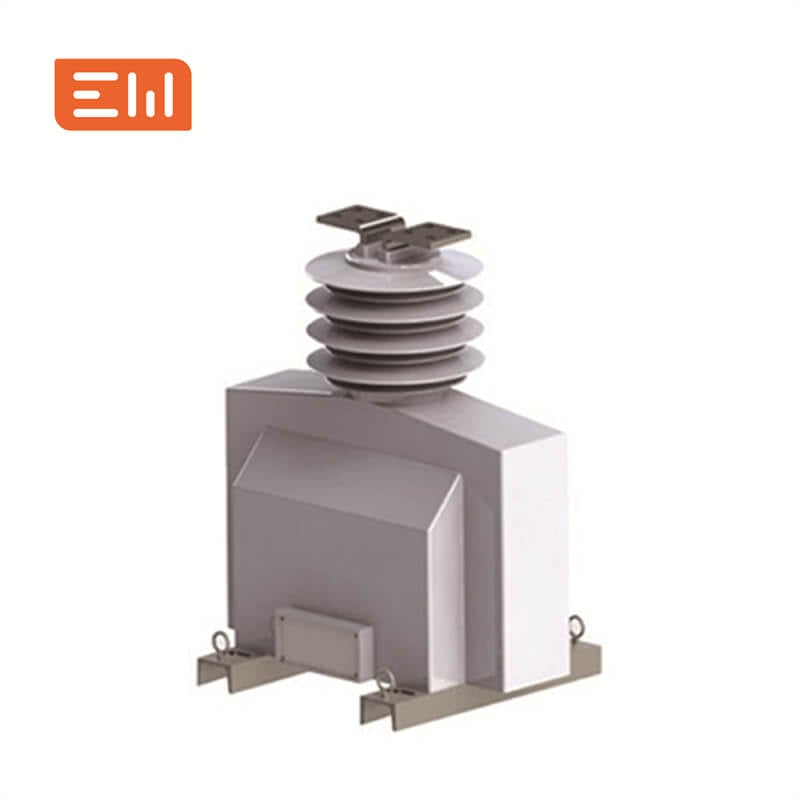
CT/VT Installation Mistakes to Avoid Instrument transformer installation mistakes cause wrong readings, nuisance trips, and dangerous maintenance situations. Most issues are preventable with a clear checklist and disciplined commissioning practice...
VIEW MORE
How to Specify VTs for Protection Relays Protection relays use voltage inputs for functions like undervoltage/overvoltage, directional elements, synch-check, and power-based supervision. If a VT is mis-specified (ratio, accuracy, burden, or insula...
VIEW MORE
How to Troubleshoot CT Measurement Errors CT measurement errors usually come from installation or configuration mismatches rather than CT “bad quality”. Wrong ratio selection, polarity mistakes, burden/wiring issues, and meter scaling errors are t...
VIEW MORE
Instrument Transformers for GIS Switchgear: Interfaces and Constraints GIS switchgear designs are compact and sealed, which changes how CTs and VTs are integrated compared with AIS or conventional metal-clad panels. Interface constraints and acces...
VIEW MORE
CT Core Materials and Accuracy: What Actually Matters CT accuracy is not only a nameplate class. In real MV panels, CT behavior depends on core design, burden, ratio choice, and whether the CT is intended for metering or protection. “Core material...
VIEW MORE
Outdoor VT Housing, Creepage Distance, and Pollution Class Outdoor voltage transformers must withstand contamination and weather exposure over many years. In coastal, industrial, or dusty environments, the biggest risks are insulation tracking and...
VIEW MORE
VT Ferroresonance: Causes, Symptoms, and Prevention VT ferroresonance is a nonlinear resonance phenomenon that can occur in MV networks under certain switching conditions. It can cause abnormal overvoltages, overheating, and unstable voltage signa...
VIEW MORE
ENWEI Electric - China’s professional switchgear & transformer manufacturer since 2000. Specializing in high/low voltage switchgear, power & current transformers.
No. 6688, Building 1, Xuyang Road, Headquarters Economic Park, Yueqing City, Wenzhou City, Zhejiang Province, China
Copyright © Wenzhou Enwei Intelligent Equipment Co., Ltd. All Rights Reserved | Privacy Policy | Blog
 EN